
Last updated October 17, 2026
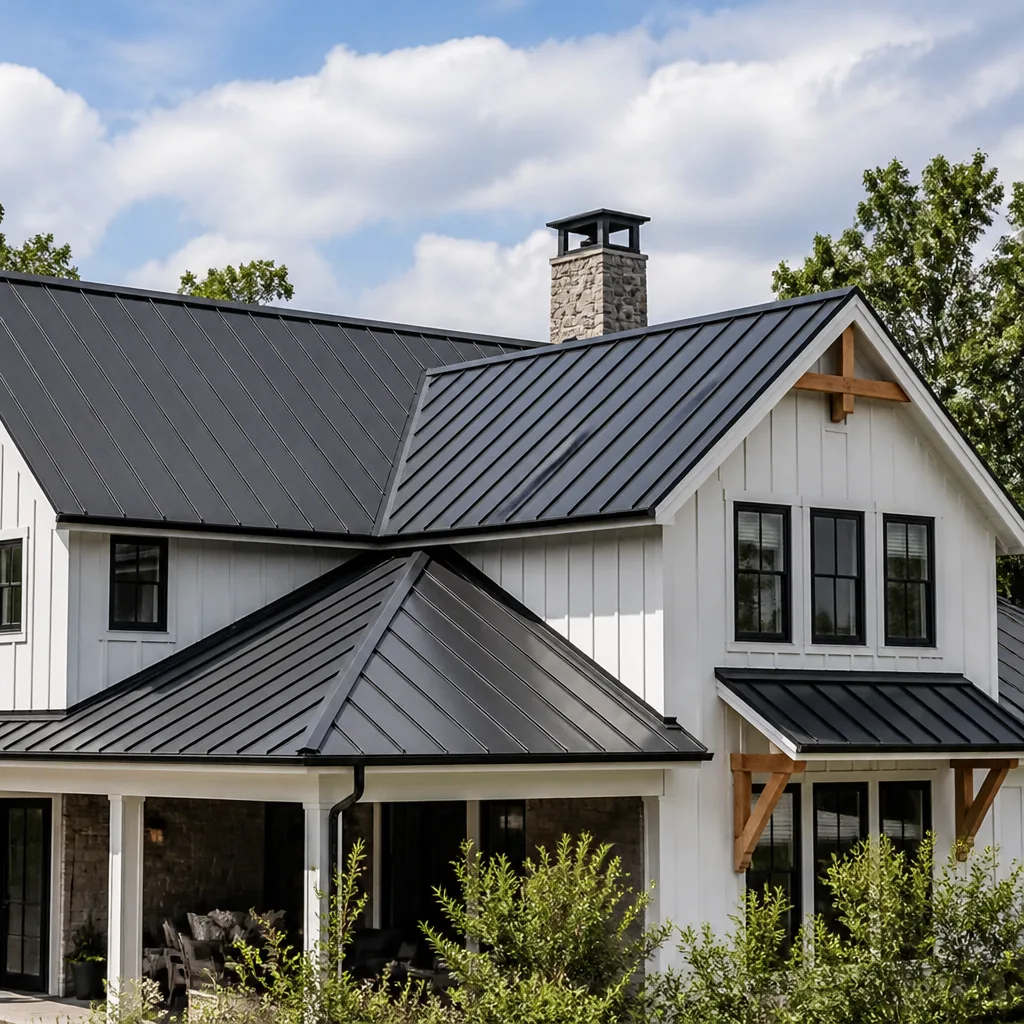 Metal roofing
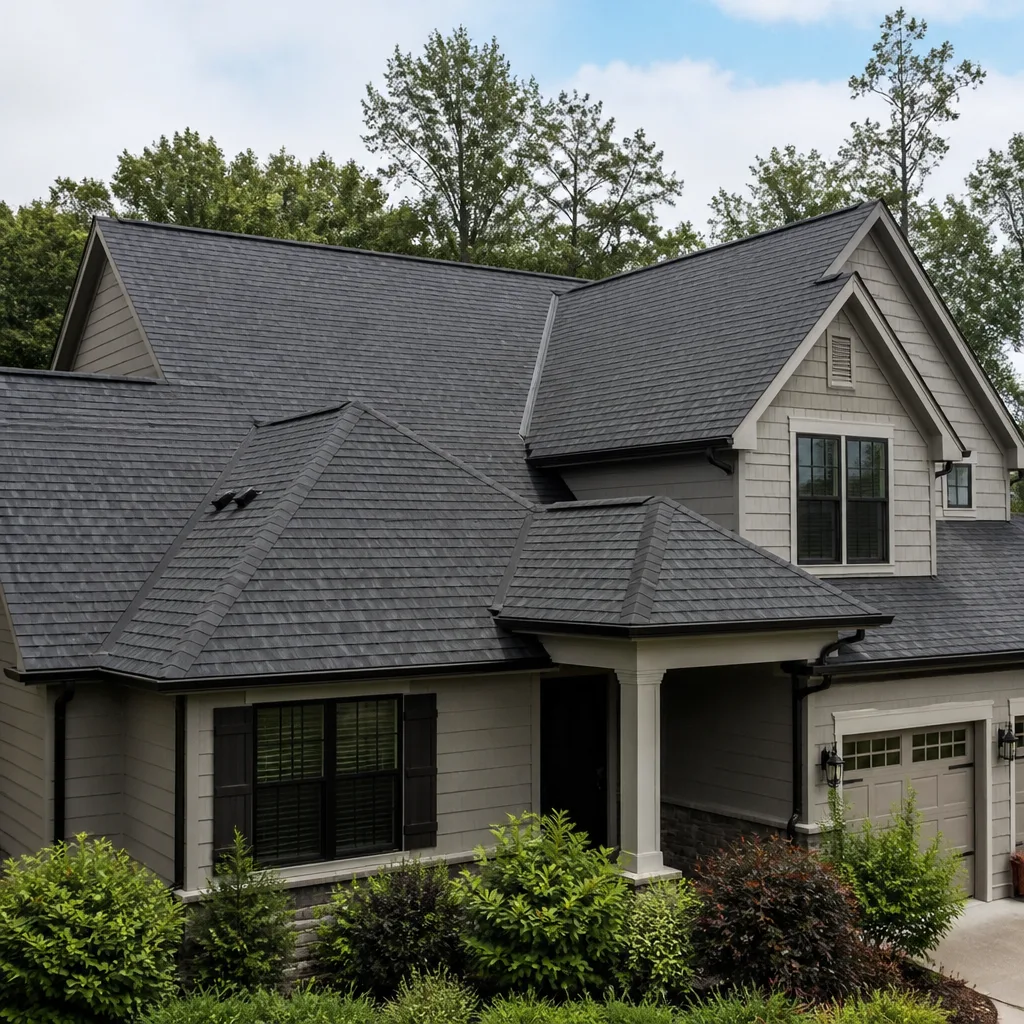 Architectural shingles
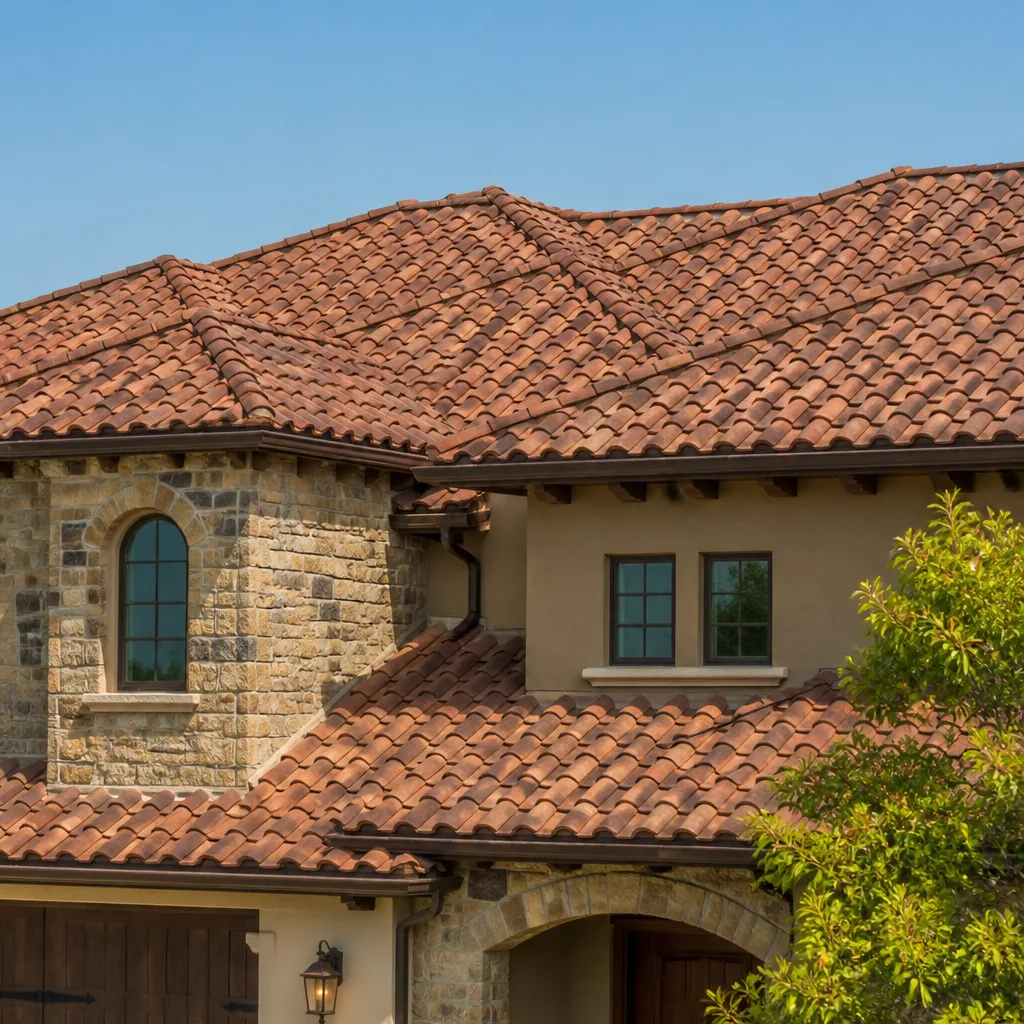 Tile roofing
 GAF
GAF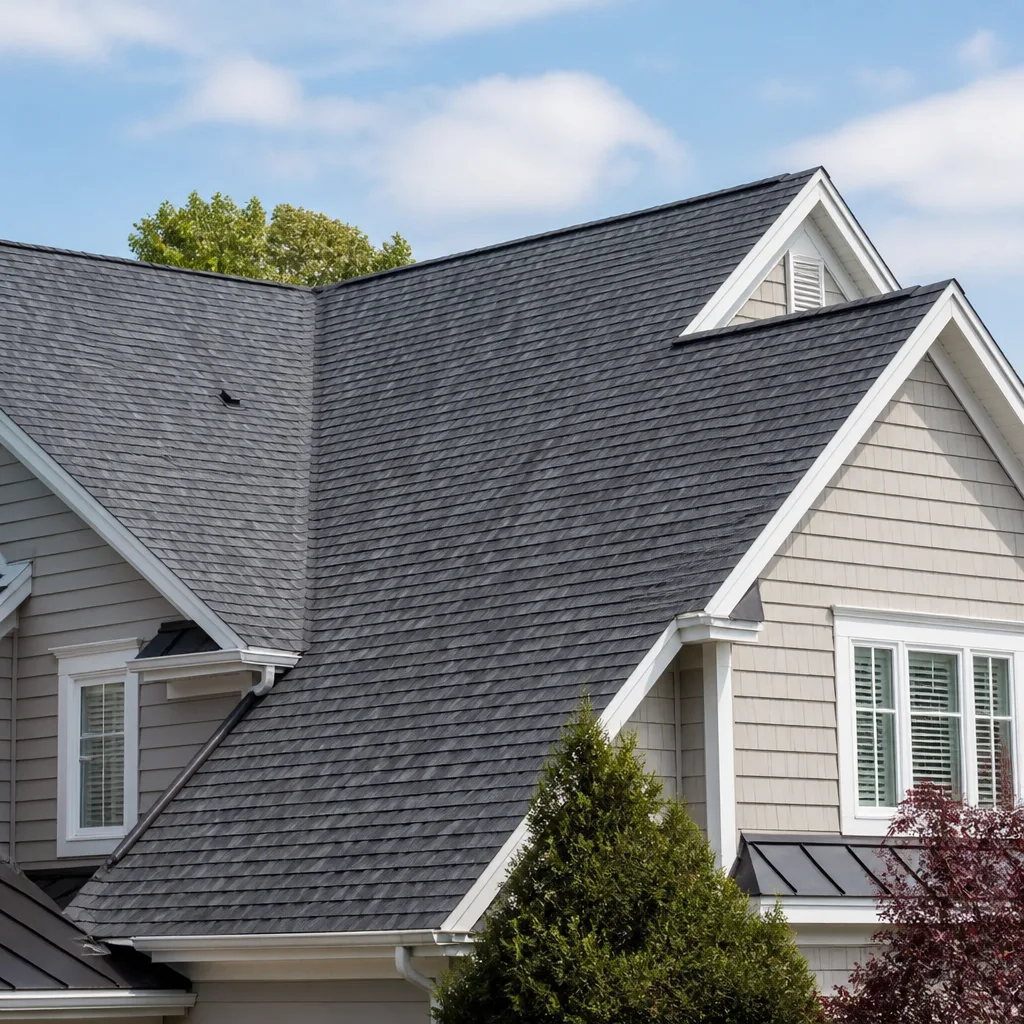 Owens Corning
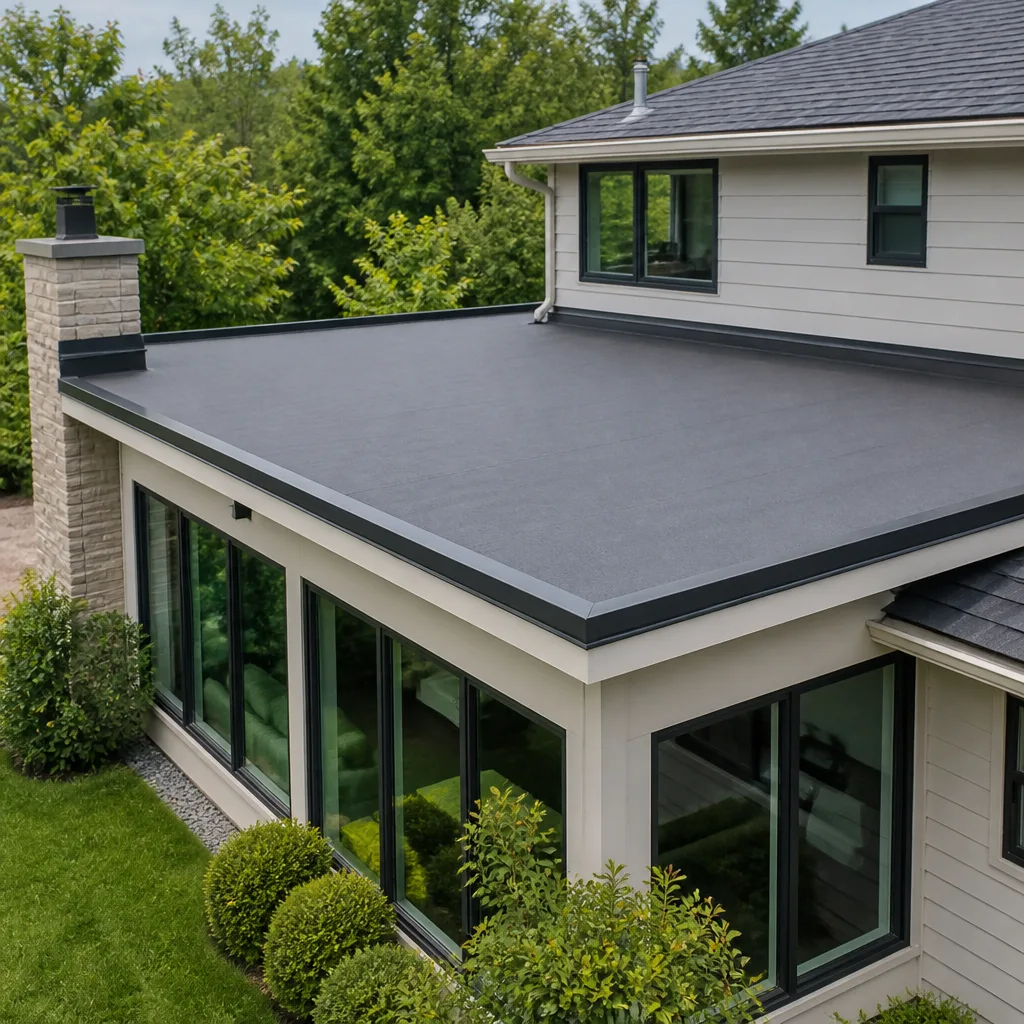 Flat & low-slope
Free roof inspection with deck photos before we talk money - GAF and Owens Corning certified installation
Seasonal Roofing Care for Orlando: Year-Round Homeowner’s Guide
The worst time to find out your roof has a soft spot is July 14th, when the afternoon storm rolls in and you’re watching the ceiling. The best time to have found it was April, during the four-week window between the end of cold fronts and the start of daily rain. Orlando doesn’t have four seasons in the traditional sense. It has a wet season, a dry season, and a hurricane window that overlaps both. Roofing care that ignores that calendar is roofing care that’s always responding to damage instead of preventing it. This guide resets your homeowner’s year around the actual Orlando weather pattern, with specific tasks tied to specific months, real price ranges, and the inspection points that matter most in Central Florida. For more guides & resources on protecting your home, visit our blog.
Quick Answer
Seasonal roof care in Orlando means working with the subtropical calendar, not a four-season one. Inspect and clear your roof in March and April before daily rains begin, follow a storm protocol from June through September, do a professional post-hurricane-season audit in October or November, and keep up with UV and algae checks during the dry winter months. Most preventive maintenance in Orlando costs between $150 and $400 per visit, while catching a small problem early typically saves $1,500 to $4,000 compared to repairing the interior and structural damage it causes if left alone.
Styles & brands we work with
Table of Contents
- The Real Orlando Weather Calendar
- March – April: The Pre-Season Window
- June – September: Storm-Season Protocol
- October – November: The Post-Season Audit
- December – February: The Dry Season Isn’t Maintenance-Free
- Year-Round Tree Management in Orlando
- Common Mistakes to Avoid
- When to Call a Professional
- Frequently Asked Questions
The Real Orlando Weather Calendar
Orlando gets about 51 inches of rain a year, and roughly 60 percent of it falls between June 1 and September 30. The rest of the year is drier, but it’s not gentle. Winter cold fronts bring wind gusts over 40 miles per hour, and the low-angle winter sun beats on south-facing roof slopes for hours a day. Then there’s hurricane season, which officially runs June 1 through November 30, with the highest activity in August, September, and October.
What that means for a homeowner is simple: the calendar you keep for your roof should not be the same one you keep for your lawn. A lawn in Orlando can get away with a “whenever it looks dry” schedule. A roof cannot. Here is how we break down the year for roof care in Orlando:
- December through February: Dry season. Low humidity, low rain, but peak UV stress on aging shingles and exposed flashing.
- March and April: The pre-season window. The most important four to six weeks of the year for preventive roof maintenance. Rain is still intermittent enough to work safely.
- May: Transition month. First daily afternoon thunderstorms usually arrive by mid-to-late May. Anything not fixed by now waits until a dry break or becomes an emergency call.
- June through September: Storm season. Daily lightning storms, torrential downpours, and the real risk of tropical systems. This is the response window, not the improvement window.
- October and November: Post-season audit. Hurricane season winds down, rain tapers off, and you have a clear stretch to assess what summer did to your roof and make repairs before winter.
The Complete Guide to Roofing in Orlando follows that calendar. If you only remember one thing from it, remember this: the cheapest roof repair in Orlando is the one scheduled in March or April, not the one scheduled after a July storm has already opened a hole.
March – April: The Pre-Season Window
There is a specific four-week stretch in Orlando, usually from mid-March through mid-April, when the cold fronts have mostly stopped and the daily afternoon thunderstorms have not yet started. The humidity is lower, the days are mild, and a roof inspection and cleaning can happen in a single morning without anyone rushing to beat a storm. This is the single best time of year to prepare your roof for the six wet months ahead.
Here is what that pre-season inspection should cover. These are the specific points we check on Orlando roofs every spring because they are the first things to fail when heavy rain hits:
- Gutter flow and downspout discharge: Orlando live oaks drop leaves and acorns in late winter. By March, gutters are often half-full. Clear them, then run a hose from the roof edge to confirm water flows out the downspout and away from the foundation. A downspout that dumps water next to the slab will soak the soil and eventually work its way under the flooring.
- Pipe boot condition: The rubber boot around plumbing vent pipes is one of the most common failure points on Florida roofs. Sun and heat crack the rubber, usually within 8 to 12 years. In Orlando’s climate, a cracked pipe boot can leak a gallon of water into the attic during a single heavy afternoon storm. Replace any boot that shows visible cracks or feels brittle.
- Lifted or creased shingles from winter cold-front wind: Orlando’s winter fronts bring sustained winds and strong gusts. Shingles that survived summer storms sometimes lift at the edges during a January or February front. Walk or inspect from a ladder and look for shingles that are no longer lying flat. One lifted shingle becomes ten lifted shingles in the first June squall.
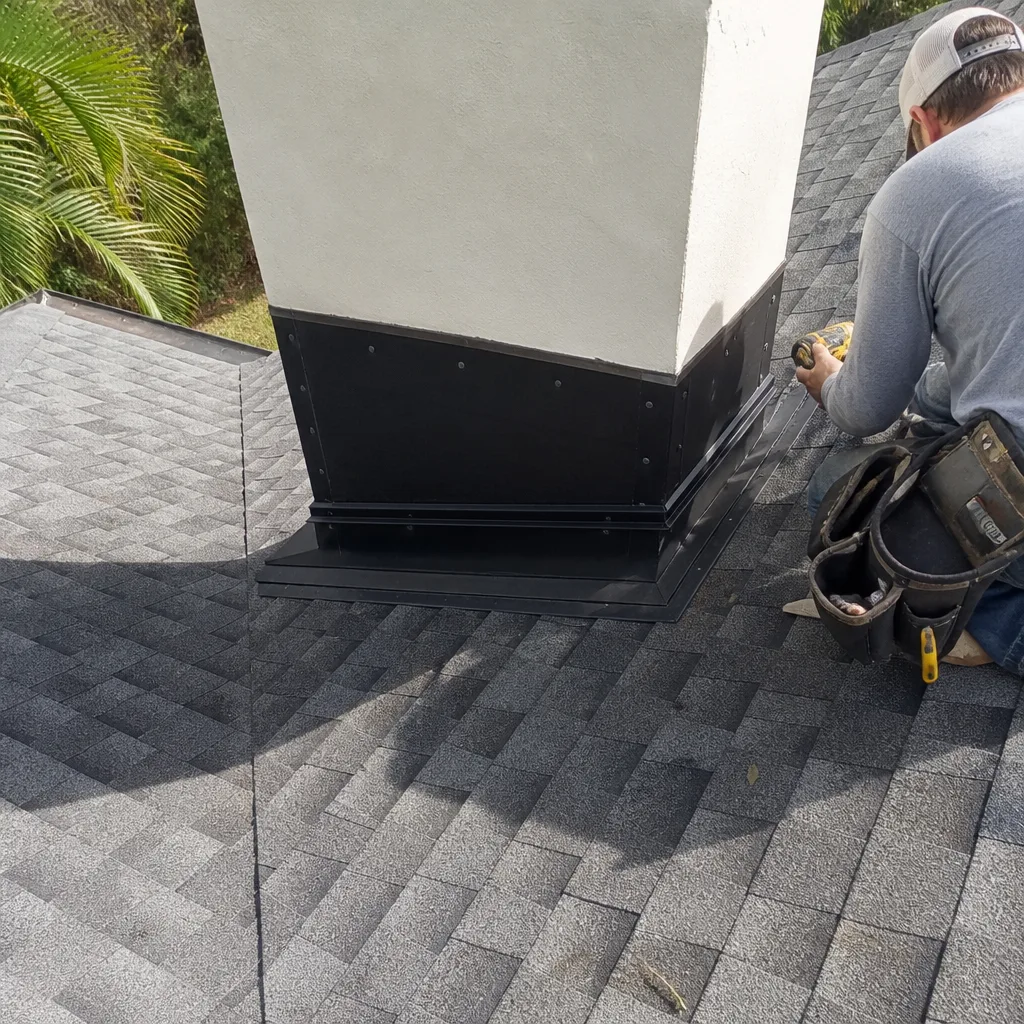
- Flashing at chimneys, skylights, and wall intersections: Flashing is the metal that keeps water from running into the joints where the roof meets something else. In Orlando, thermal expansion and contraction from hot afternoons and cool nights slowly works flashing loose. Check for gaps, missing sealant, or rust. Most flashing failures in Central Florida start small and show up as a light brown stain on the ceiling months later.
- Attic ventilation and insulation: A hot Orlando attic shortens shingle life and raises cooling bills. Look for blocked soffit vents, a ridge vent that has debris over it, or an attic exhaust fan that is not running. A properly ventilated attic should be no more than 15 to 20 degrees hotter than the outside air on a sunny afternoon.
- Debris piles in valleys and behind chimneys: Dead leaves and twigs collect in roof valleys and behind chimneys. Those piles hold moisture against the shingles and create a damp, shaded environment where algae thrives. In Orlando, algae growth starts in the spring and turns into black streaking by August.
Cost expectations for this window: a gutter cleaning on a single-story Orlando home typically runs $120 to $250 depending on linear footage. A full pre-season roof inspection with minor maintenance (resealing flashing, replacing one or two pipe boots) usually runs $200 to $400. If you want more detail on what a proper inspection involves, our guide to roof repair in Orlando covers the common spring findings we see most often.
June – September: Storm-Season Protocol
Orlando’s wet season is not a suggestion. From June through September, afternoon thunderstorms form almost every day, and a few of them are severe. The question is not whether your roof will be tested. The question is whether it passes. Here is the protocol we recommend for getting through storm season with a roof that stays dry.
Before a Named Storm
When the National Hurricane Center starts tracking a system that could come anywhere near Central Florida, do these things in this order:
- Clear gutters and downspouts. A clogged gutter during a hurricane-severity rainstorm overflows back under the roof edge and into the soffit. This is preventable water damage, and it’s the most common source of interior flooding we see after a storm that was not wind-related.
- Check for loose shingles or debris on the roof. A single loose shingle becomes a torn-off section in sustained wind. Walk the yard with binoculars if you do not want to climb. Look for anything flapping or visible from the ground that should not be there.
- Move patio furniture, potted plants, and yard tools indoors. Wind-driven debris causes a lot of the roof damage attributed to hurricanes. A plastic patio chair moving at 70 miles per hour can crack a tile or tear a shingle.
- Take photos of your roof from multiple angles. Document the condition before the storm. These photos are your baseline for an insurance claim. Without them, an adjuster may argue any damage was pre-existing.
- Know where your tarp and furring strips are. If your roof is punctured during a storm, the fastest temporary fix is a tarp secured with furring strips. Having those materials on hand before a storm is cheaper than buying them in the chaotic days after.
Within 24 Hours After the Storm
- Do a visual inspection from the ground. Look for missing shingles, dented flashing, dented roof vents, and debris that hit the roof. Binoculars help. Do not climb onto a wet roof after a storm; it is a slip hazard.
- Check the attic for water stains. Go into the attic with a flashlight and look at the underside of the roof deck. Water intrusion shows up as a darker, wet patch on the wood. Mark it with a pencil so you can track whether it grows or dries.
- Photograph everything. Document any new damage before making temporary repairs. Insurance companies need photographic evidence of the damage as it existed right after the event.
- Call a professional for leaks or damage before making temporary repairs. This matters for insurance. Some temporary repairs done incorrectly make water intrusion worse, and an adjuster may question whether a DIY fix caused part of the damage. In our experience, a professional who documents the condition before touching the roof helps your claim more than a rushed tarp job.
One more thing about the storm-season window: most roof damage in Orlando is not dramatic. It’s not a tree through the roof. It’s a dozen shingles lifted just enough to let water crawl underneath, or a piece of flashing bent so slightly that water finds a new path in. The best time to catch those small failures is within a week of the storm that caused them.
For homeowners who have been through a roof replacement or major repair before, you already know the difference between a company that shows up and one that doesn’t. If you need a full roof replacement in Orlando after storm damage, make sure the price is in writing before any work begins. That expectation never changes, storm or no storm.
October – November: The Post-Season Audit
By late October, the daily downpours have mostly stopped, hurricane season is winding down, and temperatures are comfortable. This is the most important professional inspection window of the year in Orlando. Here is why: every weakness that summer exposed is still visible, but the conditions are now dry enough and calm enough to fix it properly. Miss this window, and a small leak that started in August sits untreated until the next heavy rain in May.
A post-season audit is more thorough than a spring pre-season check. The spring check is about preparing for what’s coming. The fall audit is about assessing what summer did. Here is what it should include:
- Shingle-by-shingle evaluation of the entire roof surface: Look for granule loss, curling, cracking, and shingles that lost their seal. This is slow work, and it requires getting on the roof, not just looking from the ground or a ladder.
- Flashing inspection at every penetration and transition: Pipe boots, chimney flashing, skylight flashing, wall flashing, and drip edge. All of it. This is where most post-summer leaks originate.
- Gutter and downspout flow test: With a hose, not with a theory. Confirm water discharges at least three feet from the foundation.
- Attic inspection for moisture, mold, and ventilation problems: Orlando’s wet season pushes a lot of humid air into attic spaces. A fall check catches mold and mildew before it spreads.
- Moisture readings on the roof deck: A professional can use a moisture meter to find wet spots in the wood that have not yet stained through to the ceiling. This is the fastest way to find a slow leak that would otherwise hide for months.
What should a professional post-season audit cost in Orlando? For a single-story home up to about 2,500 square feet, expect $150 to $325 for a thorough inspection with a written report. Some Orlando roofing companies offer this inspection at no charge when they perform maintenance during the visit. If a repair is needed, most small post-season repairs (resealing flashing, replacing a pipe boot, cementing down a lifted shingle) run $250 to $600 depending on access and location on the roof.
This fall audit is also the best time to plan for a roof replacement if you’re approaching the end of your roof’s lifespan. A typical asphalt shingle roof in Central Florida lasts 15 to 20 years, and the fall is a good time to replace because the weather is dry and crews work in comfortable conditions. If you’re thinking about replacement, our guide to roof replacement in Orlando covers material options, timelines, and what to expect on pricing.
December – February: The Dry Season Isn’t Maintenance-Free
December is when a lot of Orlando homeowners decide the roof is fine and stop thinking about it until spring. That’s a mistake. The dry season creates its own set of roof problems, and they’re the kind that get more expensive the longer they go unnoticed.
The biggest dry-season issue in Orlando is UV exposure. On a December afternoon, the sun sits lower in the southern sky and hits south-facing roof slopes at a more direct angle than it does in summer. That concentrated UV breaks down the asphalt coating on shingles, which causes granule loss, which causes shingle brittleness, which causes cracking. A roof that went through summer looking fine can show visible damage by February, especially on south-facing slopes that get full afternoon sun.
The second dry-season issue is algae. You’ll notice it as black streaking, usually on the north-facing or shaded slopes where moisture from the wet season lingered. That black streaking is not just cosmetic. It’s a sign of gloeocapsa magma, an algae that feeds on the limestone filler in asphalt shingles. Over years, algae growth accelerates granule loss and shortens shingle life. In Orlando, the humid wet season feeds the algae, and the dry season is when the staining becomes visible because the shingles are no longer being washed every afternoon.
Here is what a dry-season checklist looks like:
- Check for black streaking and green stains. If you see it, note where it’s worst. The time to treat algae is the dry season, when a zinc or copper-based treatment can be applied and left to work without being washed off by rain. This is a maintenance task, not an emergency. Most algae treatments run $150 to $400 for an average Orlando home.
- Inspect for granule loss. On a dry afternoon, look at the shingles on south-facing slopes. If they look shiny or bald in places, or if you see granules collecting in the gutters, the shingles are aging. That is normal, but it tells you how much life is left.
- Watch for cold-front wind damage. Orlando winter cold fronts bring gusty wind. After a strong front passes, check for lifted shingles the same way you would after a summer storm. Wind damage in winter is often less obvious because there is no rain to make you notice.
- Check for dry rot in fascia boards and soffits. The dry season is the easiest time to spot and repair wood rot because the wood is actually dry. Wet-season rot is soft and spongy. Dry-season rot is easier to see as cracking, peeling paint, or wood that has started to crumble.
The dry season is also a good time to handle any interior paint touch-ups around ceiling areas that showed water stains during the wet season. If the stain is dry and not growing, the leak has likely stopped for now, but that is not the same as fixed. A dry season inspection can tell you whether the leak was a one-time event or a chronic problem waiting for the rains to return.
If you are new to Orlando roofing maintenance, or you moved into a home and do not know the roof’s history, our Roofing Company in Orlando page covers what a first-time roof assessment involves and what questions to ask.
Year-Round Tree Management in Orlando
Orlando’s tree canopy is one of the best things about living here. Live oaks, pines, and magnolias shade homes and cut cooling costs. But those same trees are the single biggest source of preventable roof damage in Central Florida, and tree management is a year-round job, not a seasonal one.
Here are the specific clearance rules we recommend for Orlando homes:
- Branches should not touch the roof surface or gutter line. A branch resting on a shingle rubs granules off every time the wind blows. A branch overhanging the gutter drops leaves directly into it. The rule we use: no branch within three feet of any roof surface, and no branch directly above the gutter line within six feet.
- Pine needles are worse than oak leaves for gutters. Pine needles in Orlando are thin, lightweight, and they mat together in gutters. A gutter full of pine needles holds water, and that water backs up under the shingle edge. If you have pines near the house, plan on gutter cleaning twice a year minimum: once in early spring and once after the fall needle drop.
- Live oaks drop leaves in March. Most people think of autumn as leaf season. In Orlando, live oaks are semi-evergreen and drop their leaves in March and April, right before the rains begin. That’s not a coincidence to ignore: the leaves fall, then the rain comes, and every leaf in your gutter becomes a dam. The March gutter cleaning is the most important one of the year.
- Dead branches over the roof are a hurricane risk. A dead oak branch over the roof is a missile waiting for a storm. Have deadwood removed. It’s cheaper than a new roof, and it’s the kind of thing that should not wait for hurricane season.
Tree management connects to roof care in one more way: algae and moss grow faster on roofs that stay shaded and damp. If a big tree shades half your roof, that half will show black streaking earlier and more intensely than the sunny half. Keeping branches trimmed back increases sunlight and airflow, which helps the roof dry out after rain and reduces algae growth.
For a deeper look at the specific repair concerns that come up in Orlando homes, start with our Tilehurst Roofing Orlando home page, which gives an overview of the services and the parts of Orlando we work in most often.
Common Mistakes to Avoid
- Skipping the spring inspection because the roof “looks fine.” The most expensive roof problems in Orlando start invisibly. By the time you can see a water stain on the ceiling, water has already passed through the roof deck, the insulation, and the drywall. The spring inspection is where you find the problem before it becomes a stain.
- Cleaning gutters in June instead of March. By June, the daily rains have started, and the gutters have already been overflowing for weeks. March cleaning prevents June flooding. June cleaning responds to it.
- Ignoring black streaking as cosmetic. Black streaking in Orlando is a sign of algae that feeds on shingle filler. It shortens shingle life. Treat it during the dry season, not after the staining has spread across the whole roof.
- Making DIY repairs on a steep or two-story roof. Orlando homes come in a wide range of roof pitches and heights. If you are not comfortable on a ladder, do not get on a roof. A fall is more expensive than a repair. This is why we recommend professional inspection for anything beyond a ground-level visual check.
- Waiting to document storm damage. Insurance companies need photographic evidence close to the event date. Waiting two weeks to photograph storm damage gives the adjuster room to argue the damage happened later or was pre-existing. Photograph everything within 24 hours.
- Skipping the post-season audit in October. This is the most commonly skipped inspection in Orlando. Summer ends, the rains stop, and everyone exhales. Then January comes, a cold front drops a hard rain, and a small leak that started in July finally shows through. The fall audit catches it in October, when it’s cheap to fix.
- Assuming winter is a maintenance-free season. Dry-season UV damage and winter cold-front wind are real. The roof is not resting in December. It’s getting baked and pushed around. A January check is not excessive. It’s cheap insurance.
When to Call a Professional
You should call a roofing professional in Orlando when any of these things happen: a water stain appears on a ceiling or wall, you find water in the attic after a storm, you see missing or lifted shingles from the ground, your roof is more than 15 years old and has not been inspected in two years, or you’re buying or selling a home and need a documented roof condition report. Also call if you have attempted a DIY fix and it did not stop the leak after the next rain. A roof leak that persists after a patch is a sign the real entry point is somewhere else, and finding it takes experience and sometimes a moisture meter. Some roofing work also involves real risk: working on steep slopes, working at height on two-story Orlando homes, and working around electrical service lines where roof penetrations meet power entry. That kind of work is not a weekend project. It’s a professional job.
Tilehurst Roofing Orlando offers free estimates in Orlando. Call (850) 303-7235 and we’ll walk the roof, give you a written price, and put the guarantee in writing before any work starts.
Frequently Asked Questions
Twice a year is the right rhythm for most Orlando homes: once in March or April before the wet season, and once in October or November after hurricane season. If the roof is more than 12 years old, or if large trees overhang the home, a third check in January or February catches winter wind damage and dry-season granule loss. Most Orlando roof inspections run $150 to $325.
A typical seasonal maintenance visit in Orlando, including gutter cleaning, a roof inspection, and minor fixes like resealing flashing or replacing a pipe boot, runs $200 to $450 for an average single-story home. Two-story homes with steeper pitches run higher because of the additional safety equipment and time involved. The free estimate we give at Tilehurst Roofing Orlando includes a written price before any work starts, so you always know the number before you decide. Not sure what to ask? See How to Hire a Roofing Contractor in Orlando: A Step-by-Step Guide.
You can do a useful ground-level and ladder-based inspection from the edge of the roof. Look for missing or lifted shingles, dented flashing, debris piles, and black streaking. But a full inspection requires walking the roof surface, checking the attic, and using equipment like moisture meters and thermal cameras to find leaks that have not stained through yet. If you are not comfortable on the roof, don’t go up. A fall costs more than any inspection.
Black streaking on an Orlando roof is almost always a type of algae called gloeocapsa magma that feeds on the limestone filler in asphalt shingles. It grows fastest on shaded, north-facing slopes where moisture from the wet season lingers. The staining is not an emergency, but it does accelerate granule loss over time and should be treated during the dry season with a zinc or copper-based solution. Most algae treatments for an average Orlando home cost $150 to $400.
No, but the cost is higher. Once water reaches the ceiling, you’re dealing with roof repair plus drywall repair plus possibly insulation replacement and mold remediation. The structural roof repair is usually straightforward. The interior work is what adds up. A leak caught before it stains the ceiling typically costs $250 to $600 to fix. A leak that has stained through can run $1,500 to $4,000 or more once interior work is included.
After a serious Orlando thunderstorm, look for missing or lifted shingles, dents in metal flashing or roof vents, debris sitting on the roof, and new water stains in the attic or on ceilings. Photograph anything you find within 24 hours for insurance documentation. Then call a professional if you see anything. Most storm damage in Orlando is small, but it compounds quickly once water finds a path in. Call (850) 303-7235 for a free estimate and a written price.
The Bottom Line
Roof care in Orlando is a calendar problem, and the calendar is not the one most homeowners carry. The wet season, the dry season, and the hurricane window each create different stresses, and each one has a correct response window. March and April are for preparation. June through September are for monitoring and documenting. October and November are for the audit. December through February are for UV, algae, and wind checks. Do that, and the roof lasts its full lifespan. Skip windows, and the roof fails early in ways that are always more expensive than the maintenance that would have prevented them. The routine is simple: inspect on schedule, clean the gutters before the big leaf drop and the big rains, document storm damage, treat algae in the dry season, and call a professional when a roof is beyond a ground-level check. In Orlando, that routine saves homeowners thousands of dollars over the life of a roof, and it starts with the free estimate: call (850) 303-7235.
Written by Greg Holloway, Owner at Tilehurst Roofing Orlando, serving Orlando since 2000.
See the difference
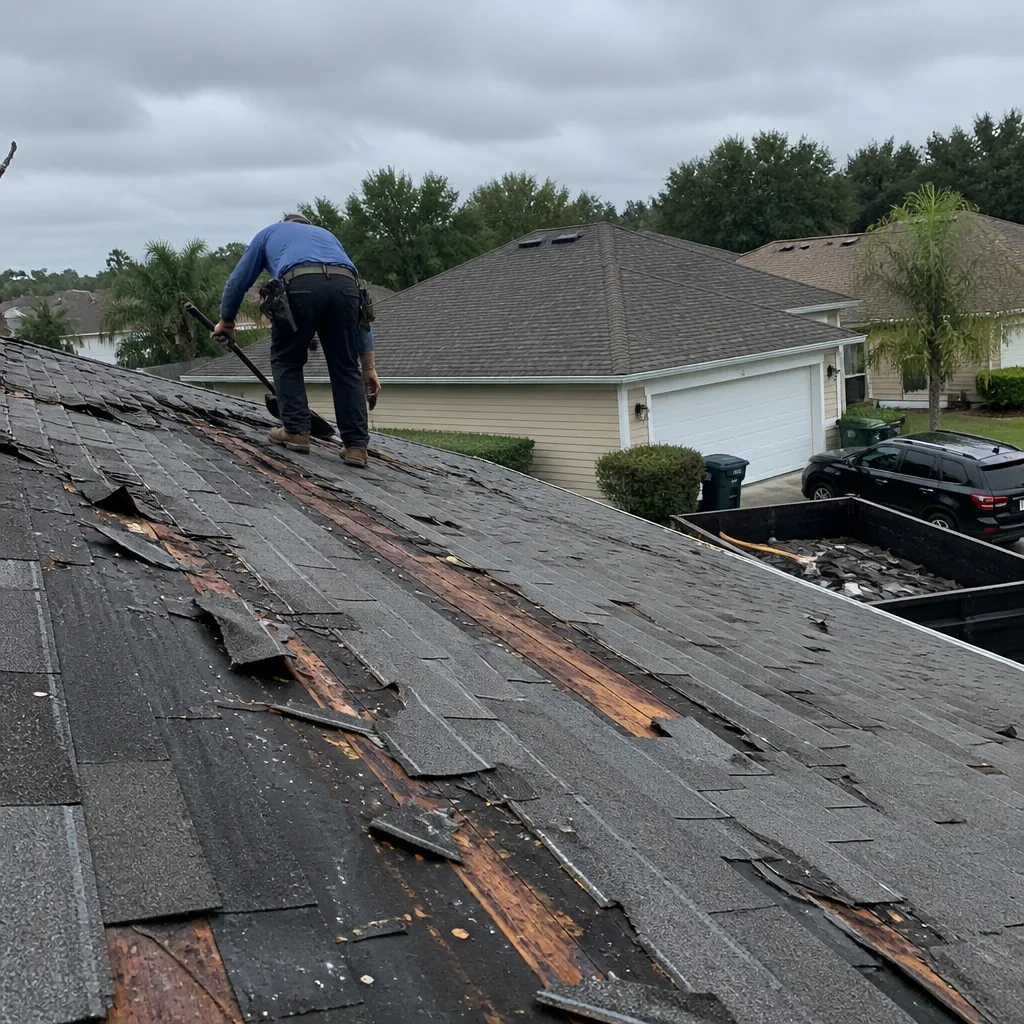 Before
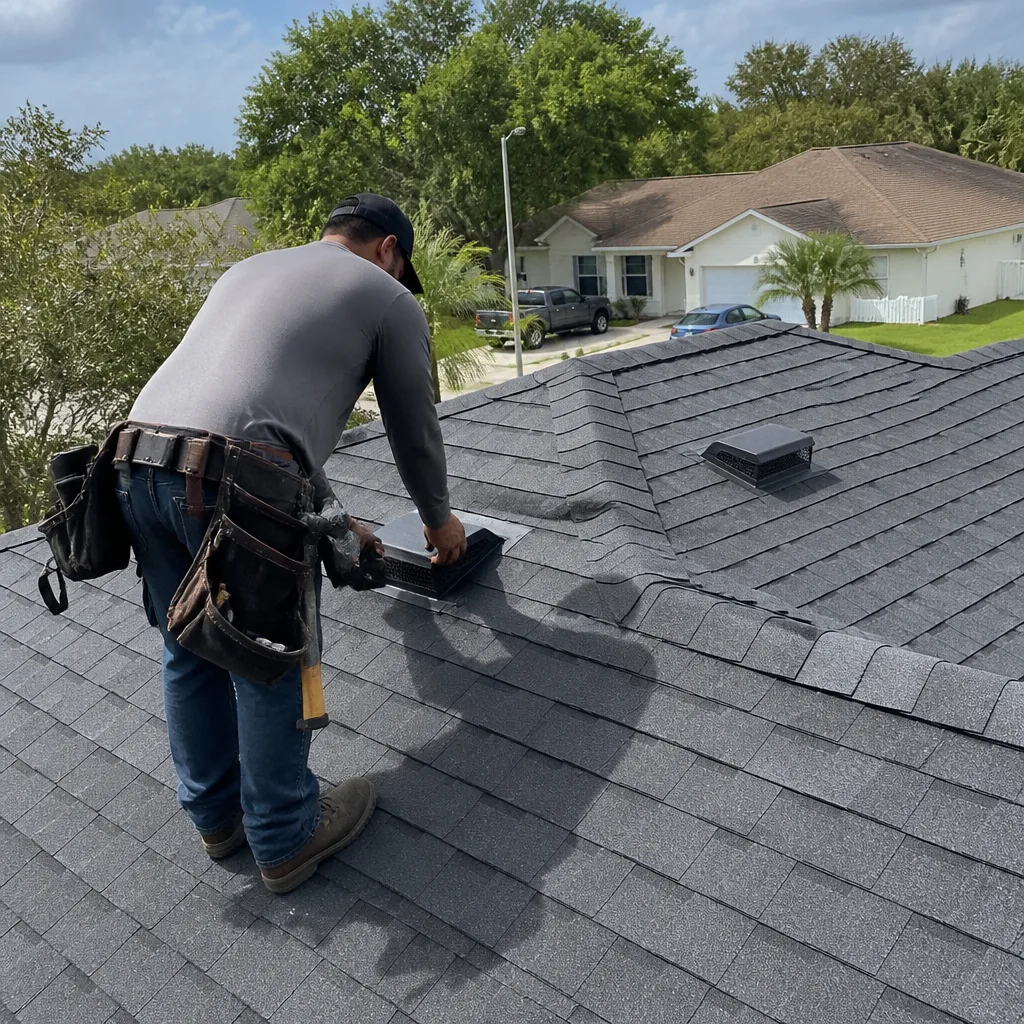 After
After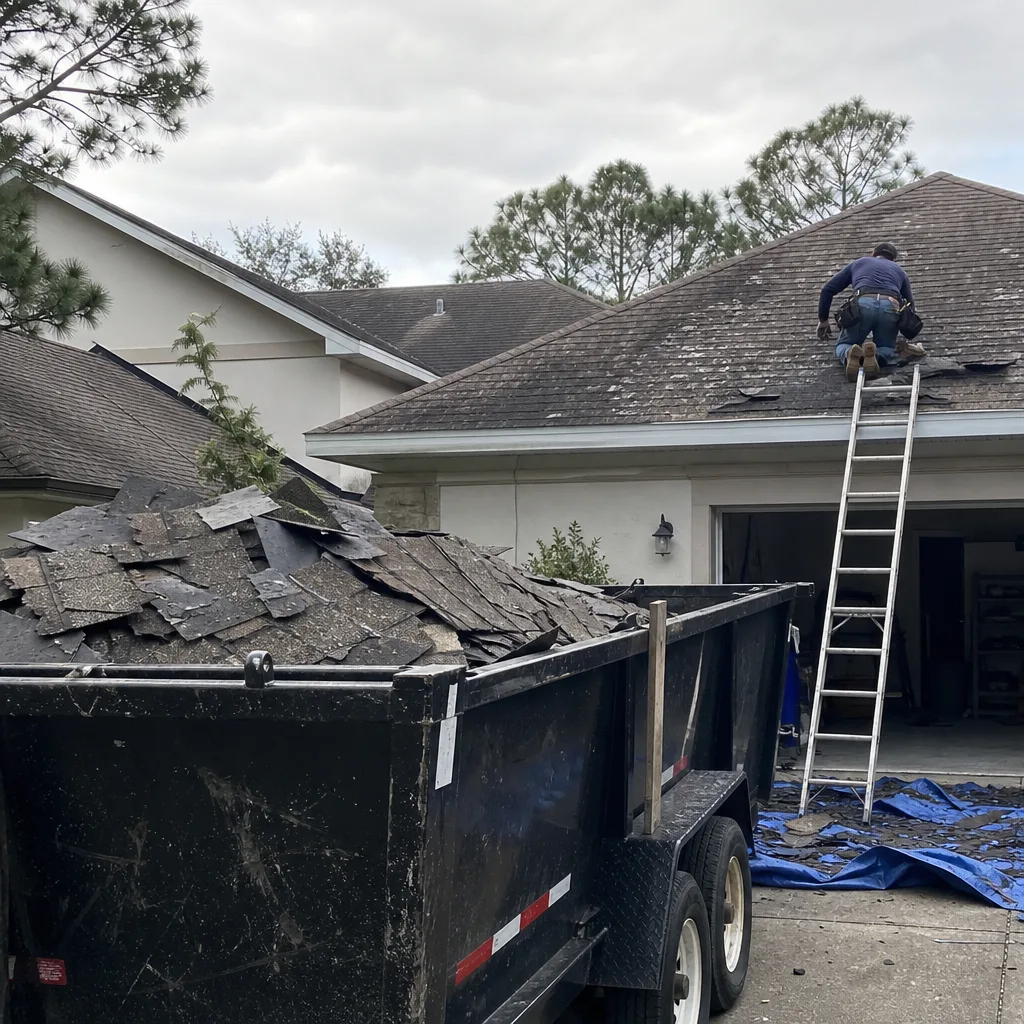 Before
 After
After Before
 After
After