
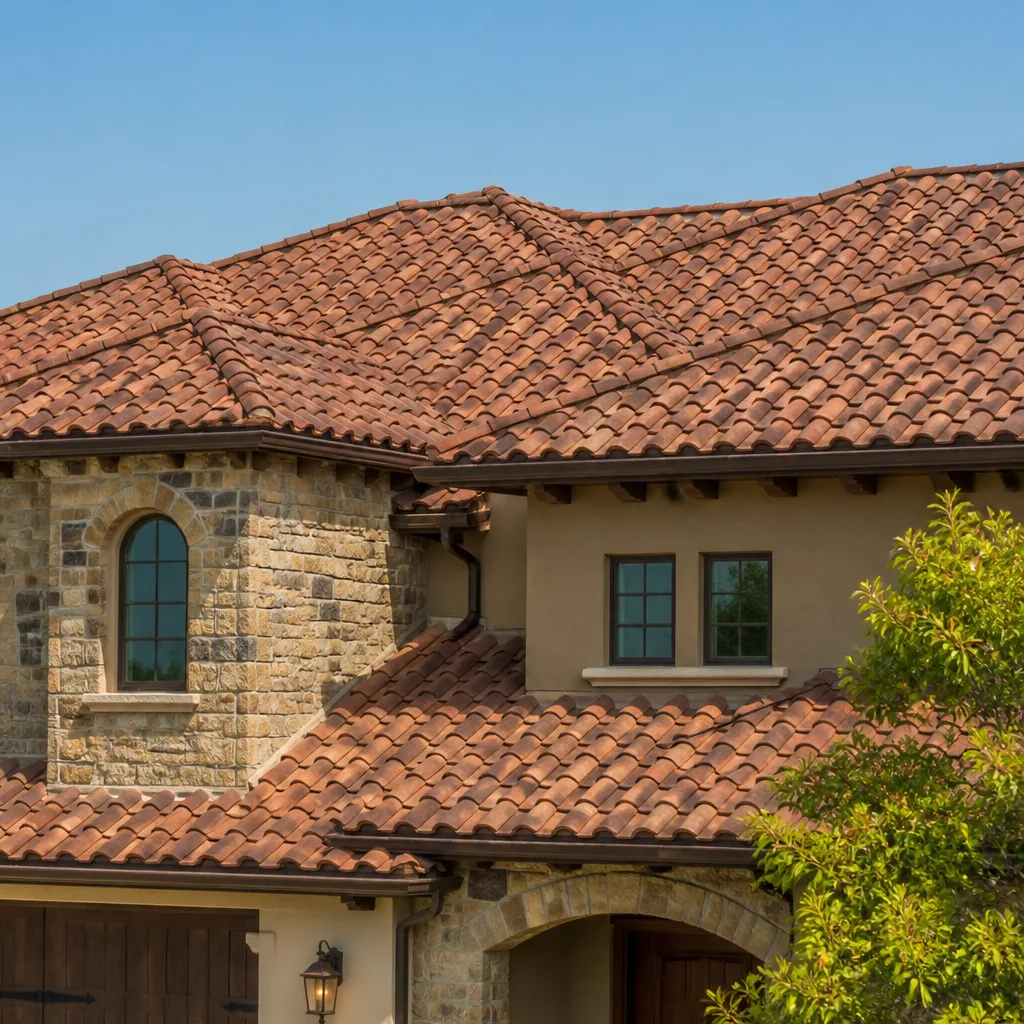
 Tile roofing
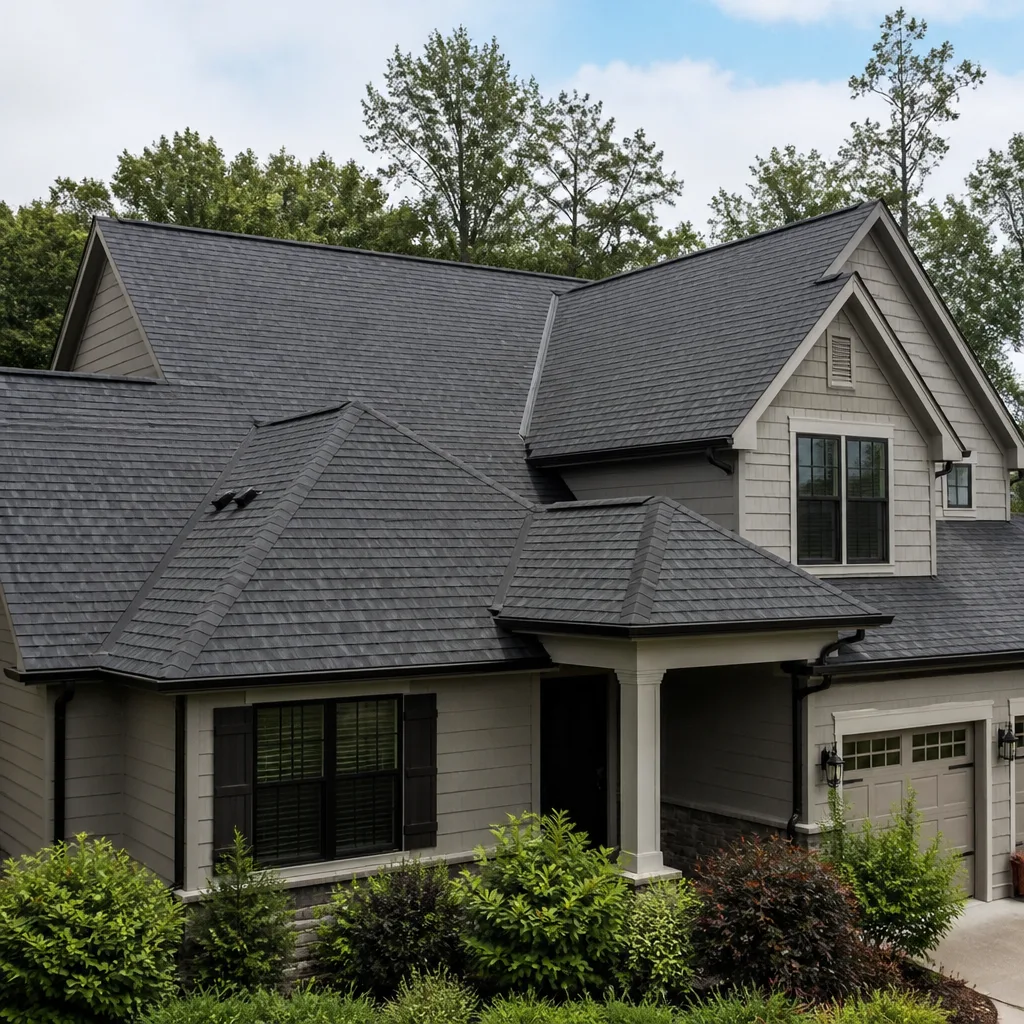 Architectural shingles
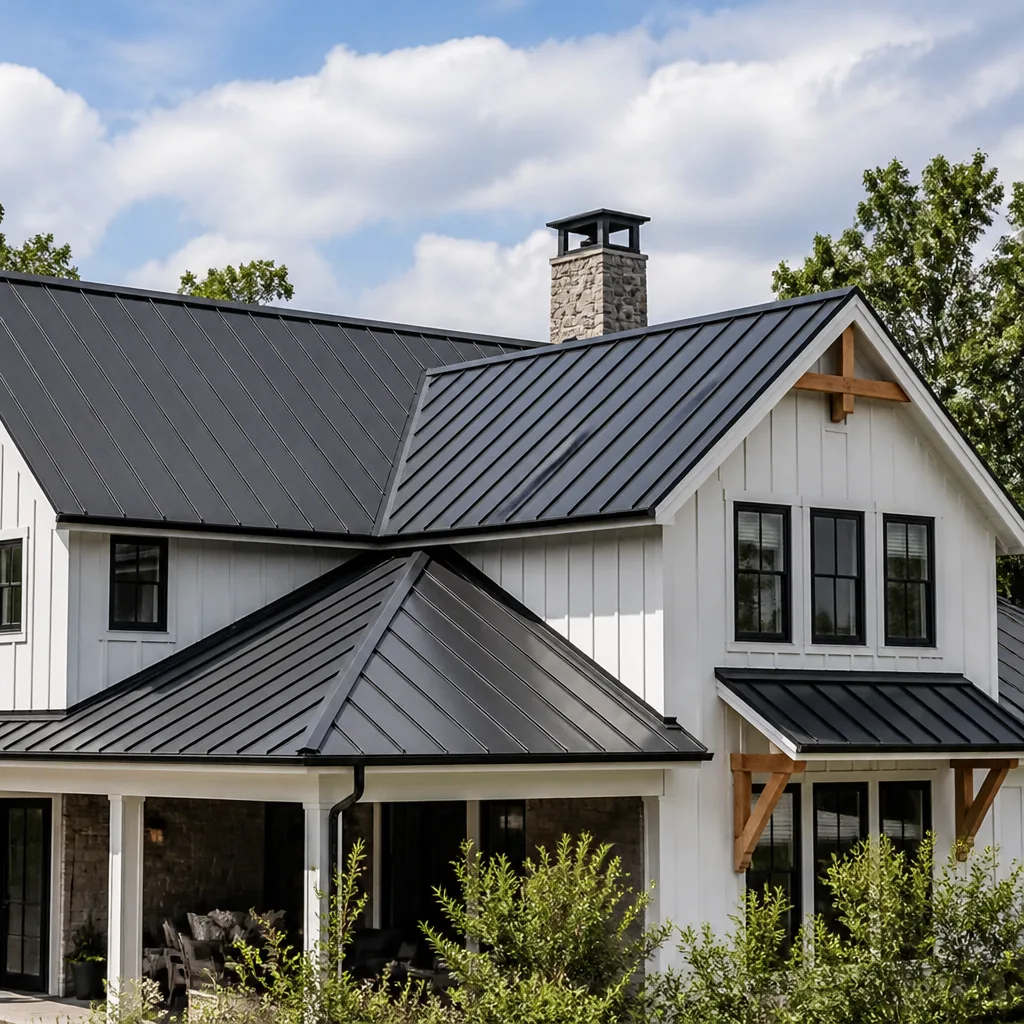 Metal roofing
 GAF
GAF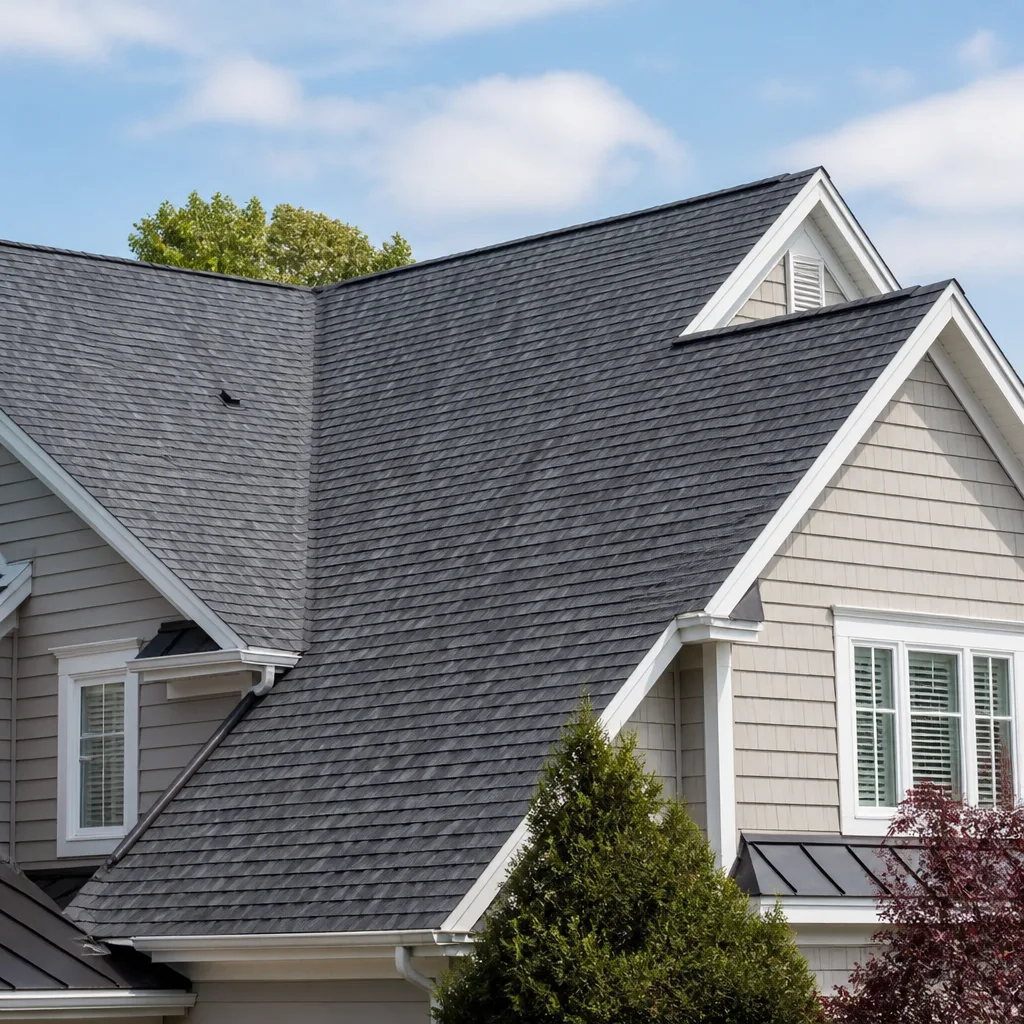 Owens Corning
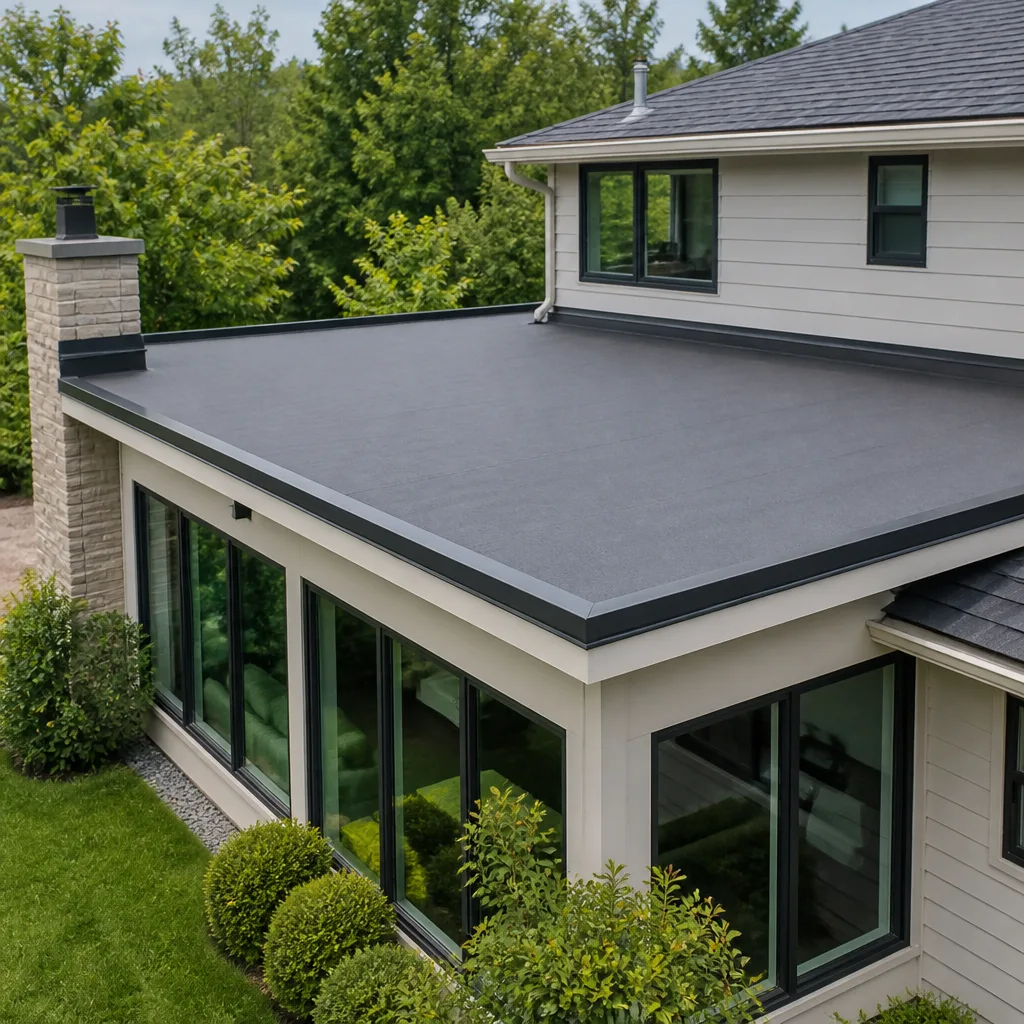 Flat & low-slope
Free roof inspection with deck photos before we talk money - GAF and Owens Corning certified installation
Atlas Ridge Vent Installation: The Orlando Owner’s Guide
Atlas ridge vent installation in Orlando typically runs $950 to $1,600 for a standard single-family home, installed, with the vent material itself accounting for roughly $250 to $450 of that total. We stock Atlas-compatible ridge vents on our trucks and can usually complete the installation same-day once we’ve walked the roof. Most Orlando homeowners discover their ridge vent has failed when they notice attic temperatures climbing in July, or when they spot shingle granules collecting in gutters near the peak. It’s not dramatic. It shows up as a higher electric bill first, then maybe a musty smell in the hallway ceiling.
Key takeaways:
- Installed cost in Orlando: $950 – $1,600 for most homes
- We stock Atlas-compatible ridge vent material on the truck
- Written price before any work starts, every single time
- Every installation covered by a written guarantee under our 365-Day Done Right Promise
Which Atlas Models This Applies To
Atlas makes several ridge vent lines, and they are not all interchangeable. The two you’ll see most often in Orlando are the Atlas CrossVent and the Atlas Pro-Cut. CrossVent is the premium profile: a shingle-over, external-baffle vent with a UV-stabilized polypropylene core, rated for 18 square inches of net free area per linear foot. That net-free-area number matters because your intake soffit vents have to match it, or the system underperforms. The Pro-Cut is their mid-range option, slightly lower profile, and it’s what we typically see on homes built in the 1990s and early 2000s around Conway and College Park.
Here’s a compatibility gotcha we run into weekly: Atlas CrossVent uses a 10.5-inch-wide base, which means it will not seat correctly on a roof where the previous vent ran a 9-inch product. We’ve seen crews force a wider vent onto a narrow ridge and call it done. It leaks within a year. If you’re not sure what you have, look for the Atlas name embossed on the vent’s underside, or measure the exposed width at the peak. If you can’t safely get up there, we’ll identify it during the estimate walk.
On the OEM-versus-aftermarket question for Atlas specifically: we install genuine Atlas vent material when the roof is under Atlas shingle warranty, because mixing manufacturer components can complicate a claim. On older roofs where warranty has expired, a quality aftermarket shingle-over vent with matching net-free-area specs performs fine and costs slightly less. We’ll tell you which situation you’re in, in plain English, before quoting a number.
Styles & brands we work with
Signs Your Atlas Ridge Vent Installation Is Failing
- Attic temperature climbs on hot afternoons. A working ridge vent, paired with proper soffit intake, keeps attic air moving. When the vent baffles clog with dust or the shingle-over mat delaminates, airflow stalls and the attic becomes a convection oven. In Orlando’s summer, that’s the difference between an attic at 120°F and one at 150°F.
- Shingle granules accumulating in gutters near the peak. The vent sits at the highest point of the roof. When the surrounding shingles start shedding granules, it’s often because moisture is trapped around the vent flashing. You’ll see dark, gritty sediment in gutters at the gable ends.
- Musty odor in the ceiling near the ridge line. A failed ridge vent lets warm, humid air linger in the attic space. Over time, that humidity works into insulation and drywall. The smell is usually strongest in the hallway or the top of a stairwell.
- Visible gaps or sagging along the peak from the ground. If the ridge line doesn’t look straight, it may be more than a cosmetic issue. A sagging section often means the vent’s structural baffle has collapsed, which drops the effective ventilation area to near zero.
- Roof decking feels damp when accessed from the attic hatch. If you can safely open your attic access on a humid morning, run a hand along the underside of the decking near the peak. Dampness there, when it hasn’t rained, points to condensation that a healthy ridge vent would have carried away.
See the difference
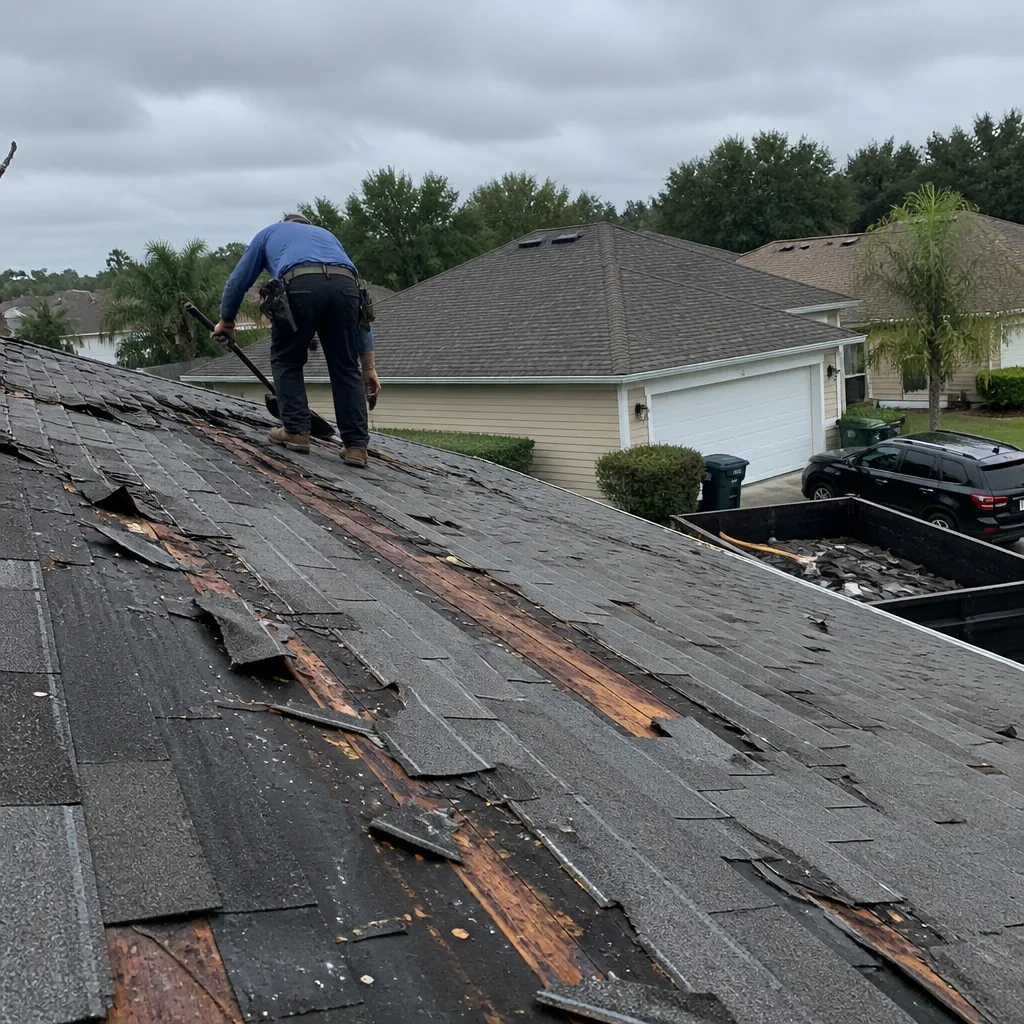 Before
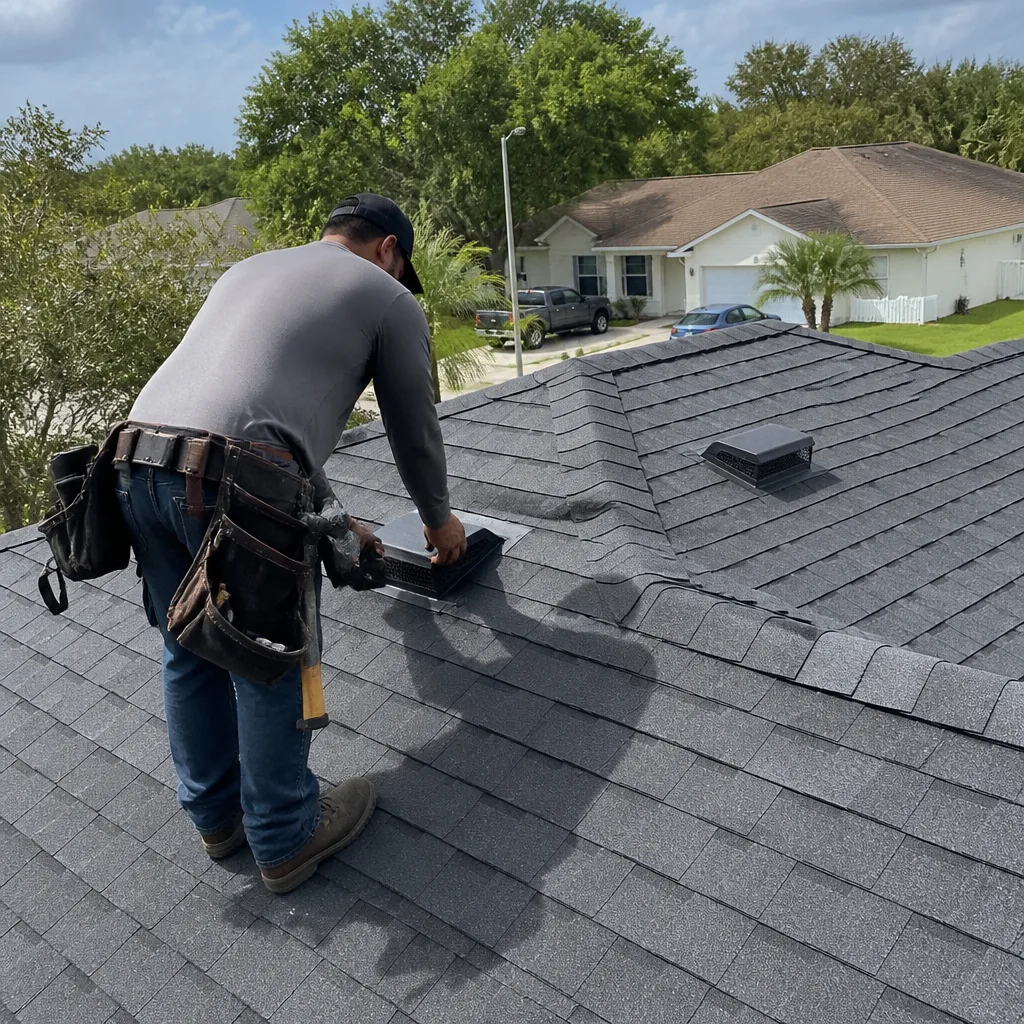 After
After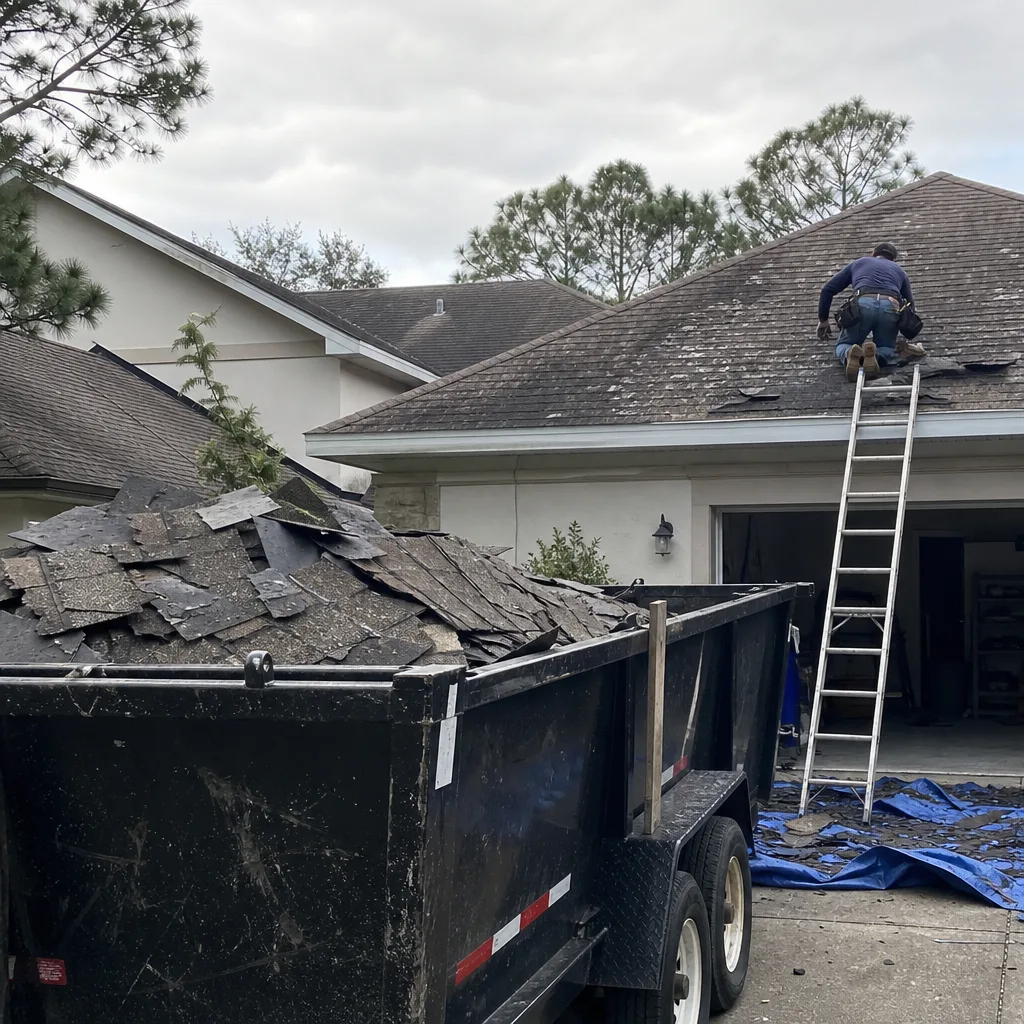 Before
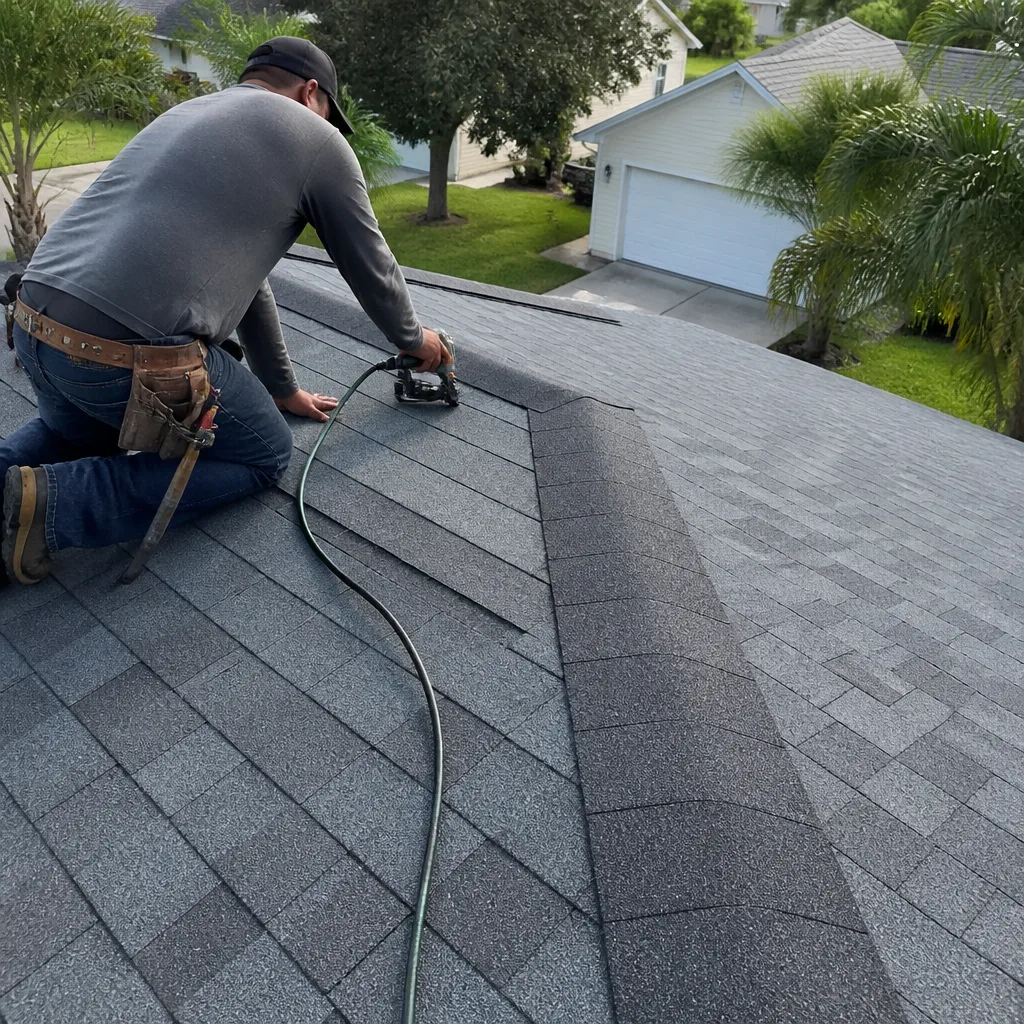 After
After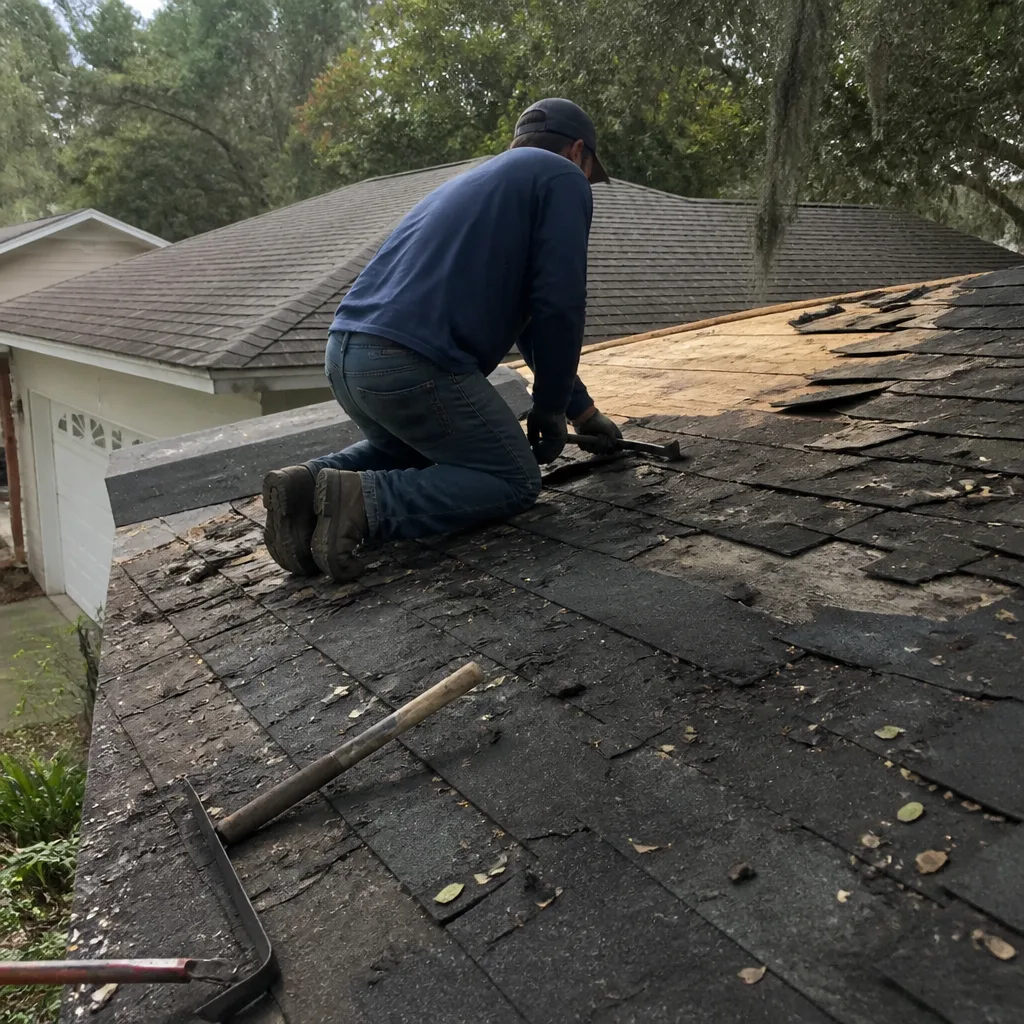 Before
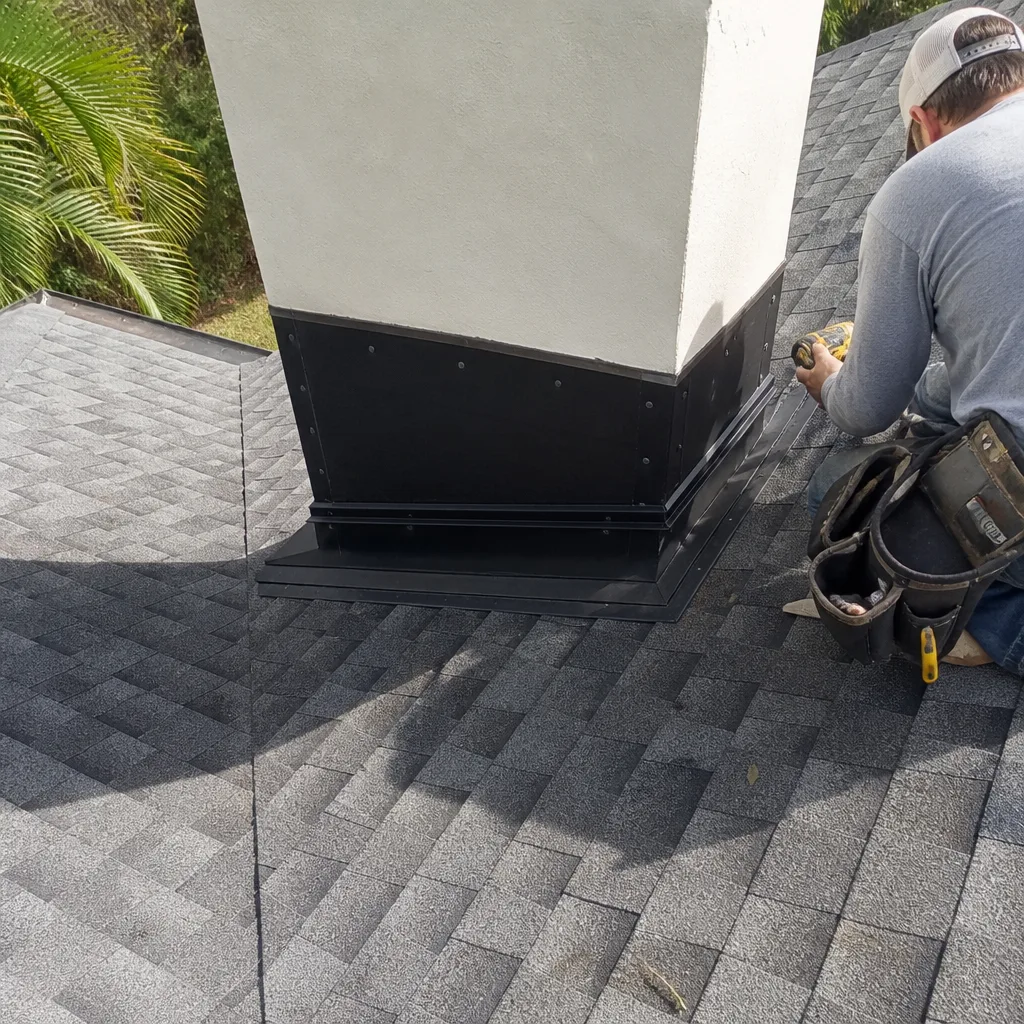 After
AfterReplacement Cost & What’s Included
For a typical Orlando ranch or two-story home with 30 to 45 linear feet of ridge, a full Atlas-compatible ridge vent replacement runs $950 to $1,600 installed. Smaller homes with shorter ridges fall at the low end; homes with complicated rooflines, steep pitches, or multiple ridge segments run higher. Here’s the breakdown we give every homeowner before they sign anything:
- Ridge vent material: $250 – $450 depending on profile and length needed
- Labor (removal, prep, install, cleanup): $550 – $950
- Replacement shingle caps over the vent: $150 – $300, included in the labor figure above
What drives the range: roof pitch (anything above 7/12 adds harness time), the condition of the existing ridge framing, and whether we need to replace damaged decking underneath. We do not charge extra for the estimate, and we do not change the price after we start. The number we give you before any work begins is the number on the final invoice. Greg Holloway walks every roof himself before quoting, because he wants to see the ridge framing and the existing vent condition with his own eyes. Every installation carries our written guarantee, and if something isn’t right within the first year, we return and fix it at no charge under the 365-Day Done Right Promise.
DIY or Call Us?
Ridge vent installation is not high-tension work like a garage spring, but it does mean working at the highest point of the roof, on a ladder, usually in the heat. We don’t recommend it as a weekend project. That said, there are things an Orlando homeowner can safely check from the ground or from inside the attic: look for daylight coming through the vent slot, check for damp decking near the peak, and note any visible sag along the ridge line from the street. Those observations help us diagnose the problem faster when we arrive.
Where DIY goes wrong is the installation itself. Getting the slot width right, seating the baffle properly, and nailing to code without creating leaks takes experience. We’ve repaired more than a few homeowner-installed ridge vents that looked fine from the ground and leaked at the first hard rain. If you’re going to do it, read the Atlas installation spec twice and don’t work alone on the roof. If you’d rather have it done once and warranted in writing, call (850) 303-7235. We tell you the price before we touch the roof – and we mean it.
FAQs
An Atlas ridge vent installed correctly in Central Florida typically lasts 15 to 20 years, though the shingle cap over the vent usually needs replacement at the 12-to-15-year mark due to UV exposure. Orlando’s combination of intense sun, daily summer thunderstorms, and high humidity ages the vent’s polymer baffles faster than in drier climates. When the baffle material becomes brittle and starts cracking, the vent’s airflow drops off quickly. If your home is over 15 years old and the ridge vent has never been touched, it’s worth a professional inspection. Call (850) 303-7235 and we’ll take a look as part of the free estimate.
In most cases, no. Once the baffle material has cracked or the shingle-over mat has delaminated, patching sections only shifts the problem down the ridge. The exceptions are minor: a loose end cap or a short section of lifted shingle can sometimes be resecured. But for a vent that’s over 10 years old and showing multiple failure signs, full replacement is the honest recommendation. We’ll show you what we found before recommending anything, and the written quote will itemize exactly what needs replacing.
A standard ridge vent replacement on a typical Orlando home takes 3 to 5 hours from setup to cleanup. That includes removing the old vent, inspecting the ridge framing, replacing any compromised decking, installing the new vent and shingle caps, and sweeping the area with a magnetic nail roller. Larger homes or steep roofs can push into a full day. We’ll give you a realistic time window when we quote the job, and we arrive in that window.
We keep Atlas-compatible ridge vent material on our trucks in the standard profiles: CrossVent, Pro-Cut, and a shingle-over baffle vent that works for most post-2000 Orlando homes. For unusual ridge lengths or specialty profiles, we can source the exact Atlas product through our supplier network within one to two days. We also stock ridge vent products from GAF, Owens Corning, and CertainTeed, so if your roof uses a different shingle brand, we can match the vent to the system. Tilehurst Roofing Orlando is an independent roofing company and not affiliated with Atlas, but we install their products because we know their specs and we trust the performance.
Call (850) 303-7235 to schedule a free estimate. A live person answers, day or night, and we’ll get Greg or a crew member on your roof to give you a written price before any work starts.
Written by Greg Holloway, Owner, Tilehurst Roofing Orlando at Tilehurst Roofing Orlando, serving Orlando and nearby areas.