
 Tile roofing
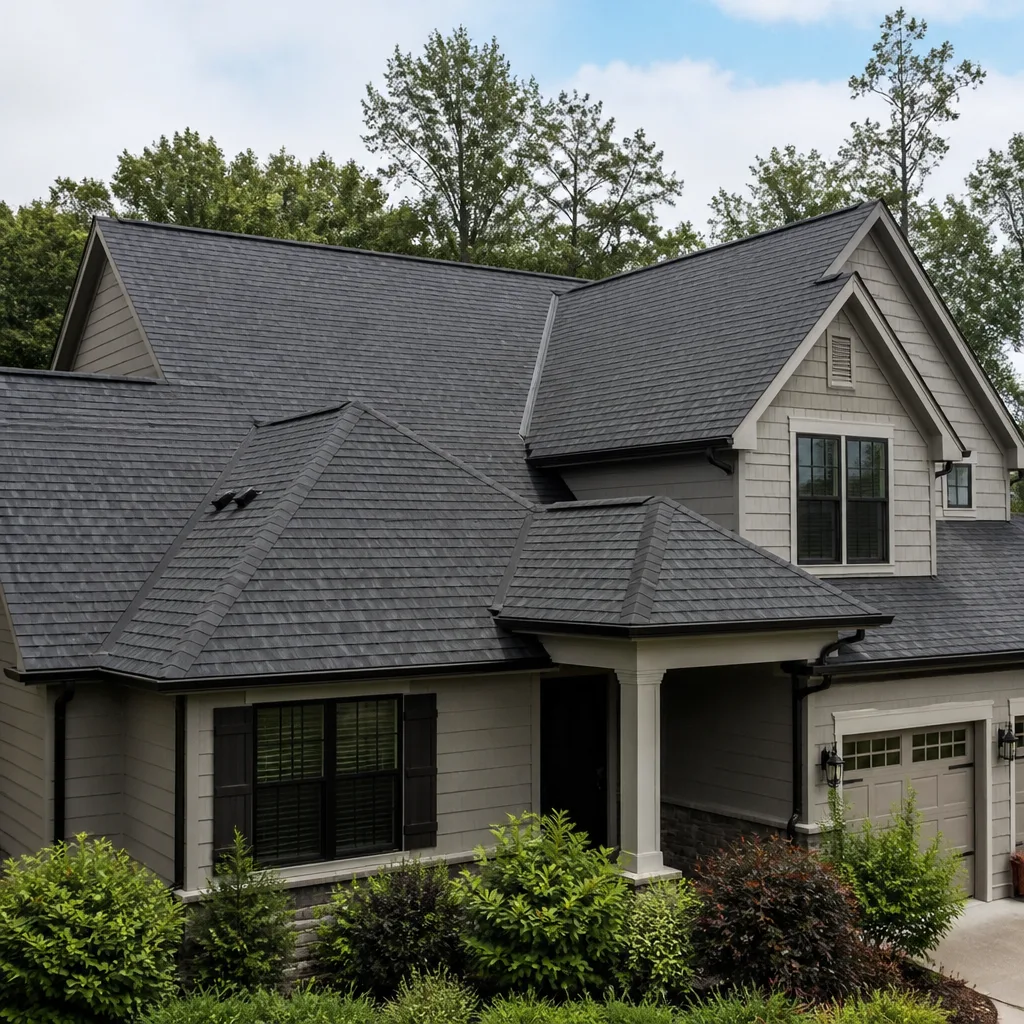 Architectural shingles
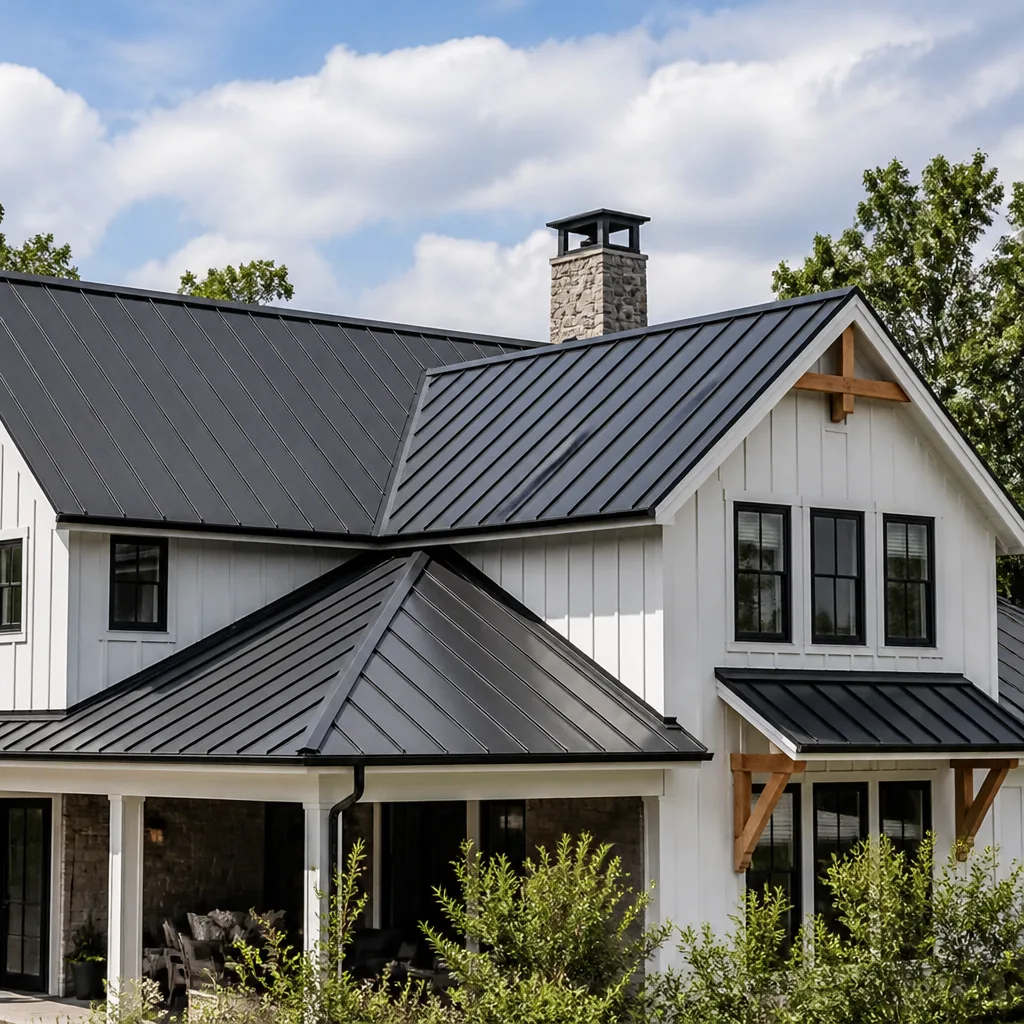 Metal roofing
 GAF
GAF Owens Corning
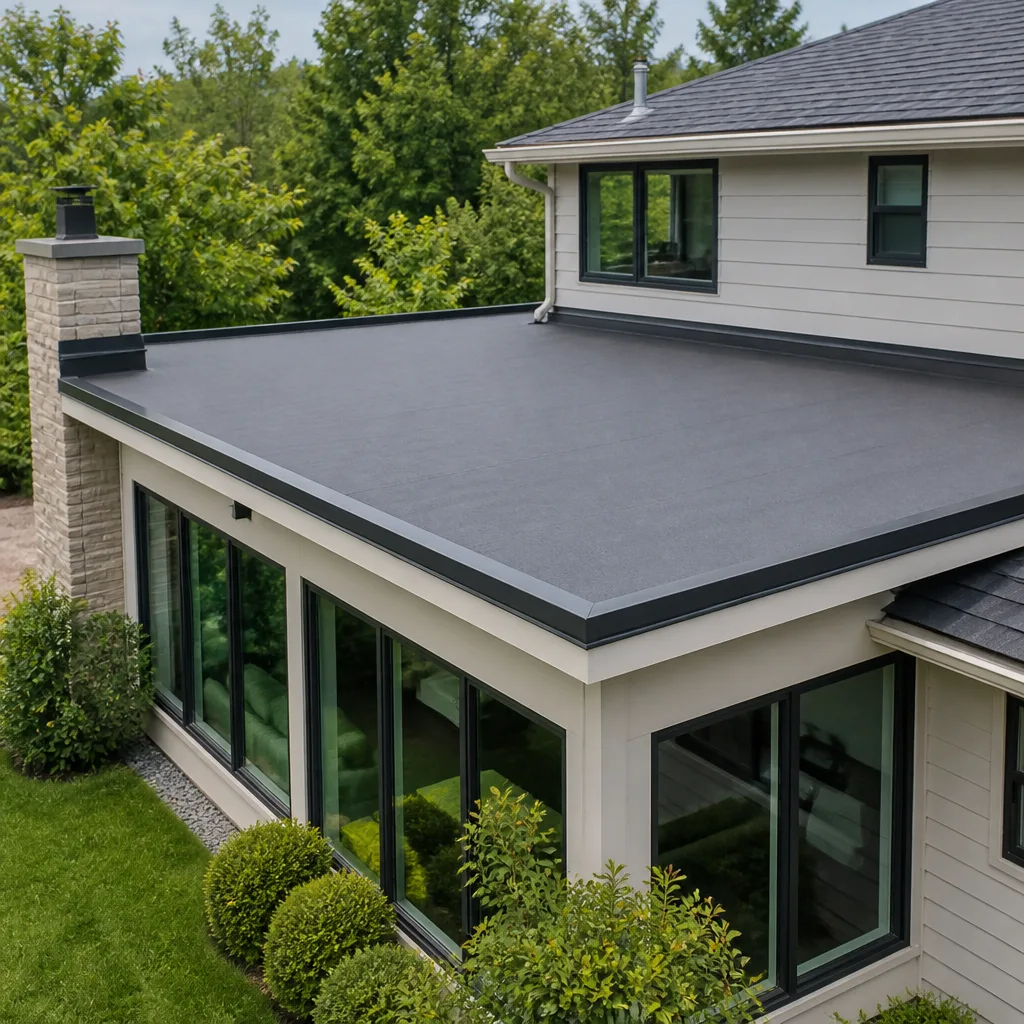 Flat & low-slope
Free roof inspection with deck photos before we talk money - GAF and Owens Corning certified installation
IKO Flashing Replacement: The Orlando Owner’s Guide
IKO flashing replacement in Orlando typically runs $320 to $680 installed for a standard penetration (pipe boot, vent pipe, or chimney base), and we keep the common IKO-compatible profiles on the truck so most jobs get done in a single visit. Flashing is the metal or synthetic collar that seals the joint where your roof meets something vertical, like a vent pipe or chimney, and when it fails, water gets in. Most Orlando homeowners discover the problem after a hard rain, when a ceiling stain or drip shows up near a pipe, skylight, or wall transition. If you’re here, you’ve probably already traced it back or a roofer pointed it out.
Key Takeaways
- Typical IKO flashing replacement in Orlando: $320 – $680 installed, depending on access and what’s failing.
- Most single-penetration flashes are replaced the same visit, since we stock IKO-matched profiles on the truck.
- We’re an independent Orlando roofing contractor, not an IKO factory rep or affiliate. We stock and install IKO-compatible flashing alongside material from GAF, Owens Corning, and CertainTeed.
- Written price before work starts, written guarantee on the repair, and a full year of accountability under the 365-Day Done Right Promise.
Which IKO Models This Applies To
IKO flashing replacement covers the standard profiles used across IKO’s Cambridge, Dynasty, Nordic, and Marathon shingle lines. The flashing itself isn’t tied to a specific shingle color or style, it’s tied to the roof penetration type: plumbing vent pipe boots, exhaust vent collars, chimney base flashing, and wall-to-roof transitions. What matters is the size of the pipe or penetration. Most Orlando homes use 1.5-inch or 2-inch pipe boots for plumbing vents, which is the most common IKO-compatible profile we replace, followed by 3-inch and 4-inch collars for furnace and water heater exhausts.
When the existing flashing is IKO-branded, we match it to the same profile rather than forcing a generic universal part. Universal boots fit, but they rely on a rubber collar that stretches, and in Florida’s heat that collar degrades faster than the IKO-specified EPDM or thermoplastic collar. For most homeowners, a quality aftermarket equivalent matching the same pipe size and base dimensions performs every bit as well as the OEM part, and costs less. The exception is if your roof is under an active IKO material warranty, then we recommend staying with IKO-branded flashing to keep documentation clean. Your roof deck will usually have a manufacturer label near the ridge or in the attic if you’re unsure which series was installed.
Styles & brands we work with
Signs Your IKO Flashing Replacement Is Failing
- Ceiling stain or drip near a vent pipe or chimney. The most common call we take in neighborhoods like Conway and College Park. Water follows the pipe down through the roof deck and shows up on the ceiling below, usually within a day of heavy rain. The flashing boot has cracked or lifted, and water is riding straight down the pipe.
- Visible cracks or splits in the rubber collar. Florida sun breaks down rubber collars fast. After 8 to 12 years, the collar around the pipe gets brittle and splits, especially on the sun-facing roofline. This lets water run down the outside of the pipe under the shingle layer.
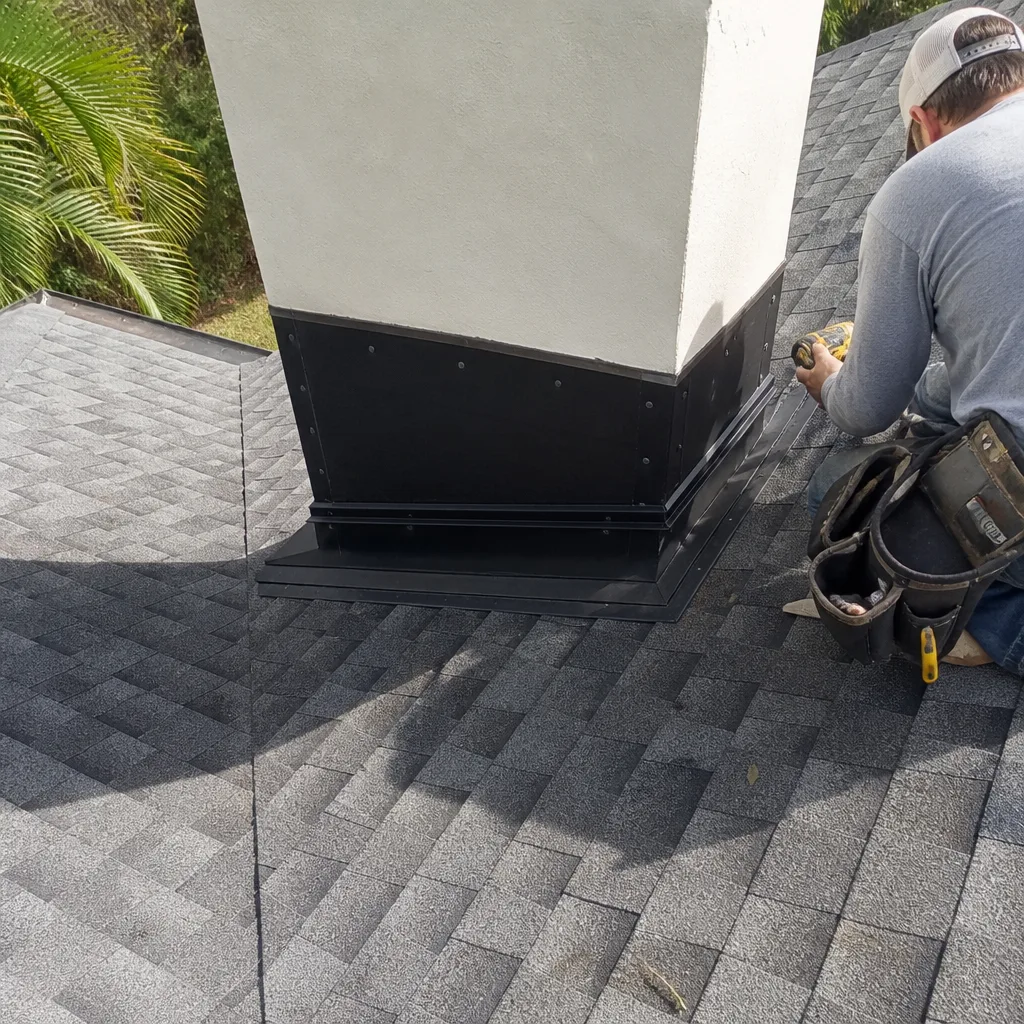
- Lifted or curled metal flashing at the chimney or wall. Wind-driven rain gets behind flashing that’s pulled away from the brick, stucco, or siding. The tar or sealant underneath has dried out, and the metal has started to lift enough to channel water instead of shedding it.
- Granule loss around the flashing base. When flashing sits in a low spot, water pools around it and wears the shingle surface down faster than the rest of the roof. You’ll see a bald patch or heavy granule accumulation in the gutter near that spot.
- Daylight visible from the attic around a pipe or vent. If you can see gaps of light around the penetration from inside the attic, the flashing base is no longer sealed to the roof deck. Water will follow those gaps the next time it rains, and it’ll trap moisture against the decking.
See the difference
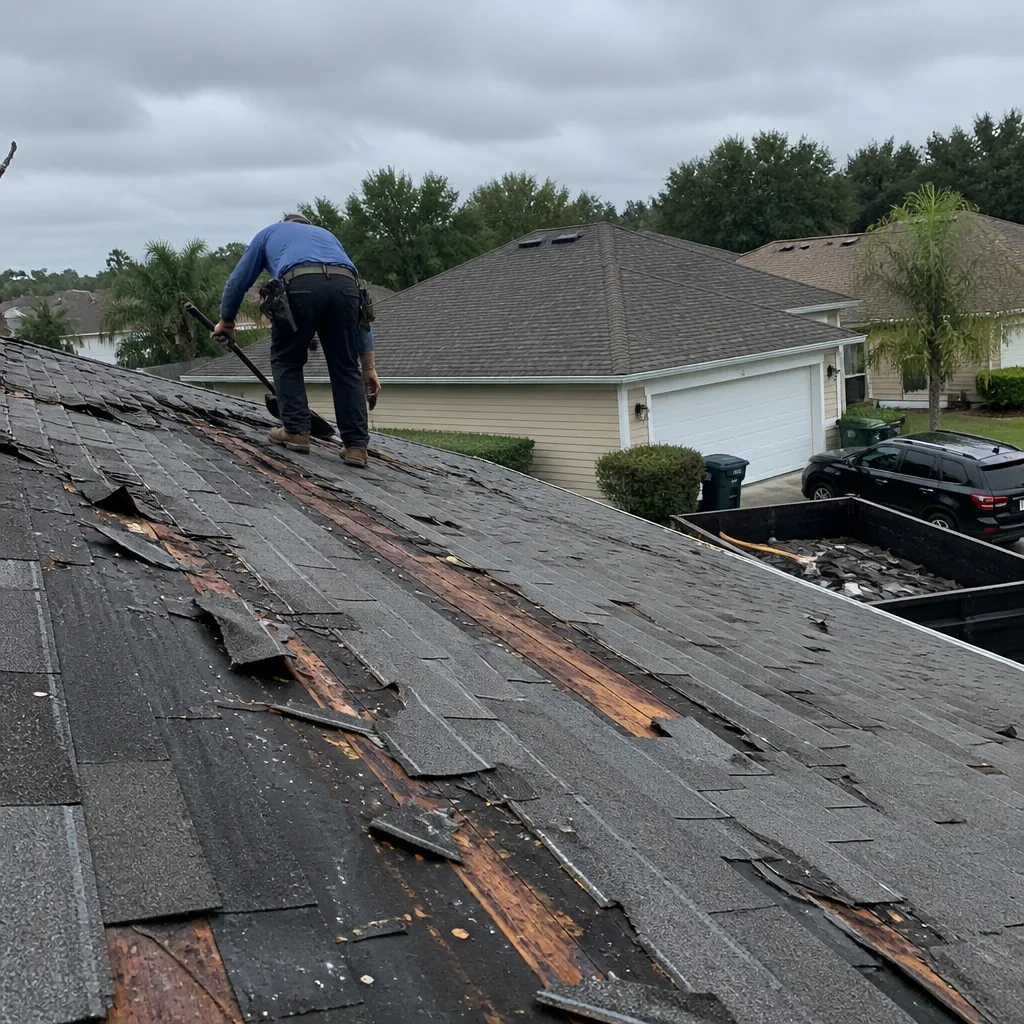 Before
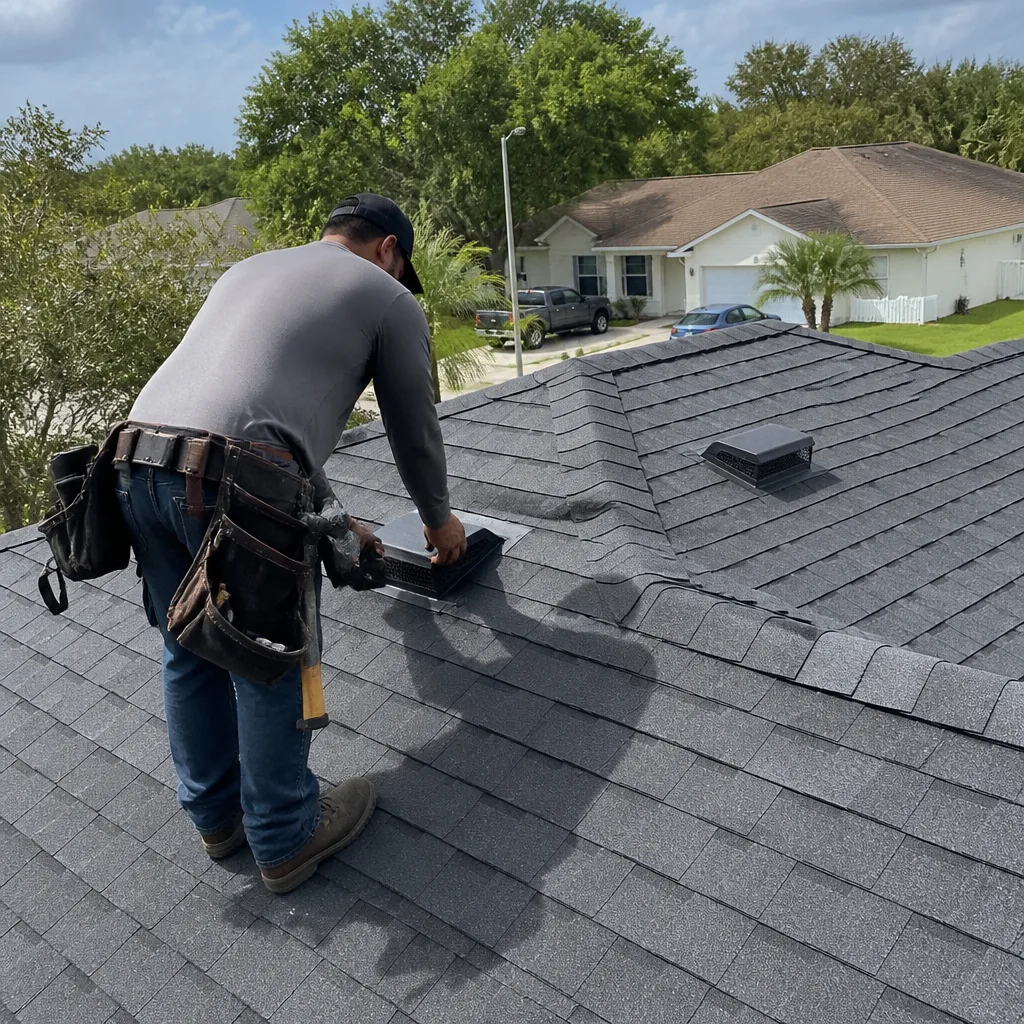 After
After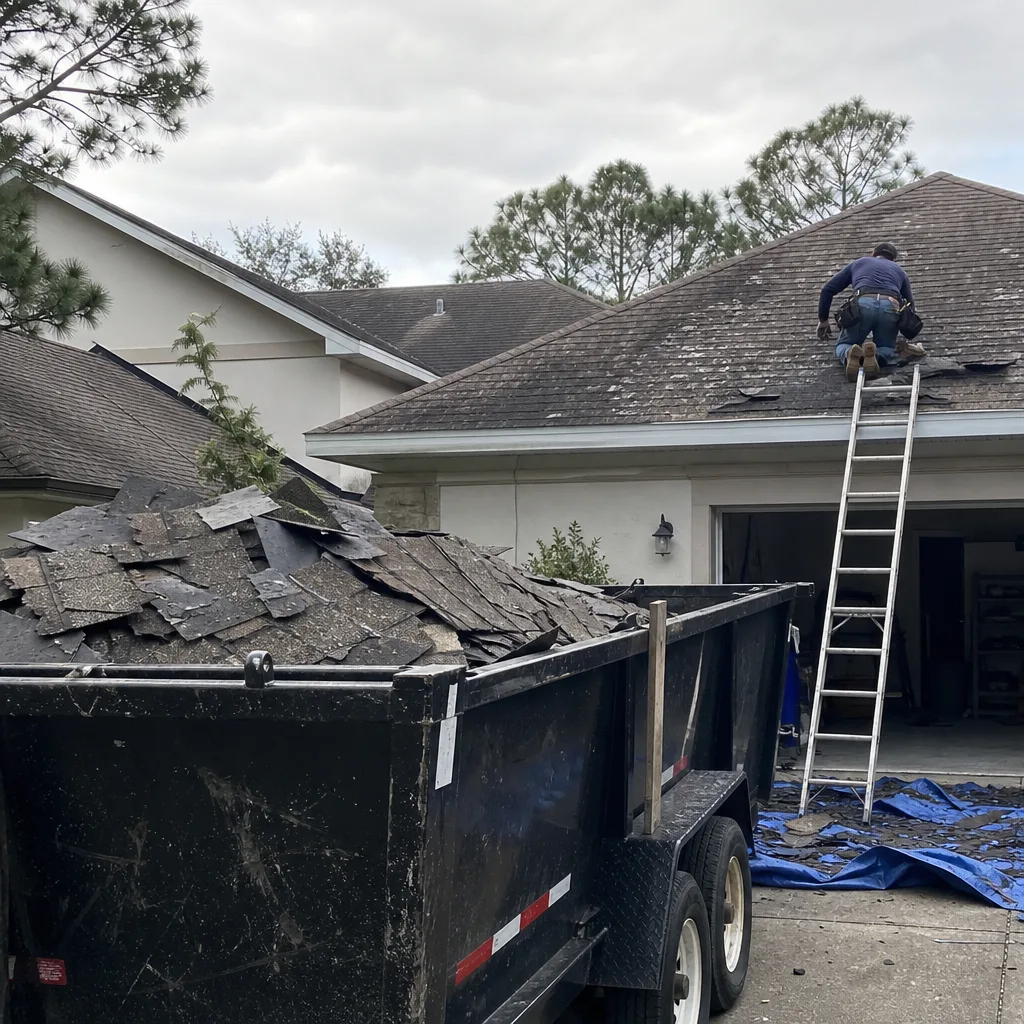 Before
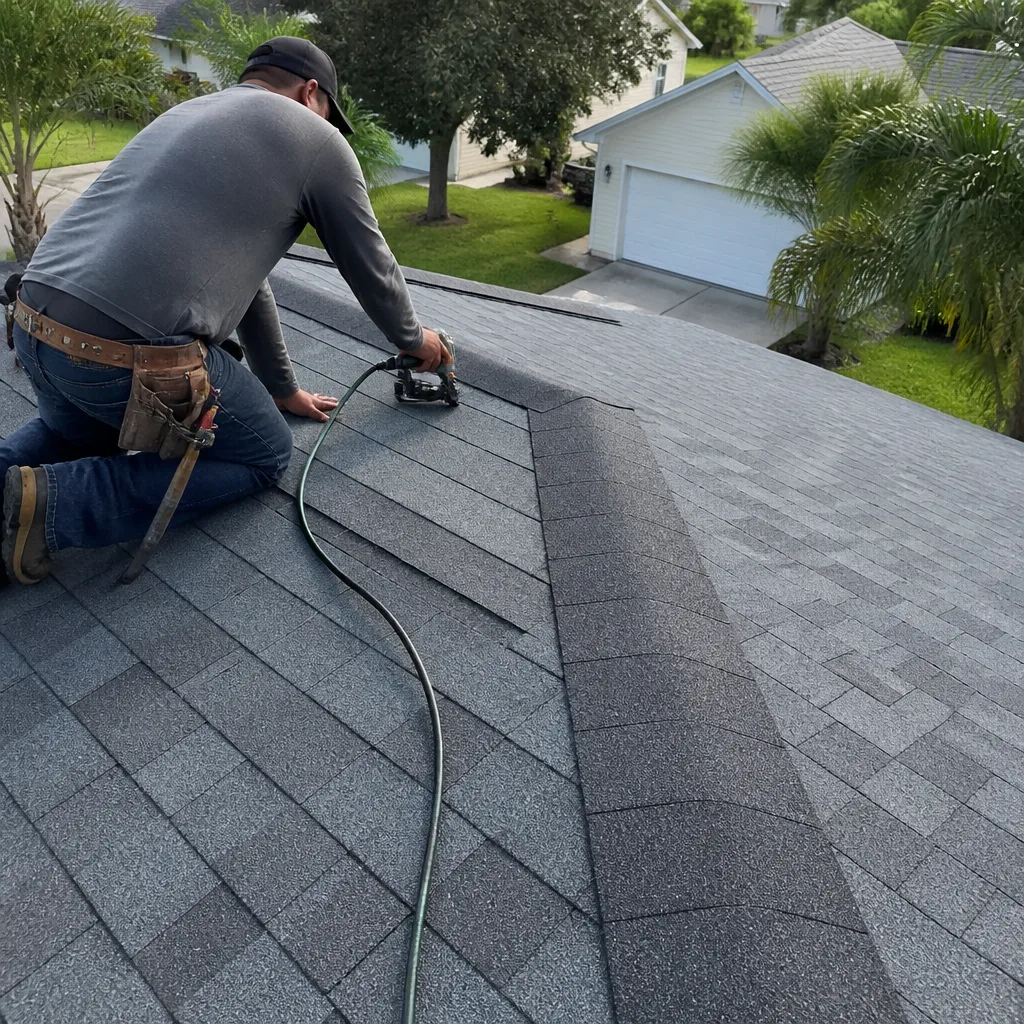 After
After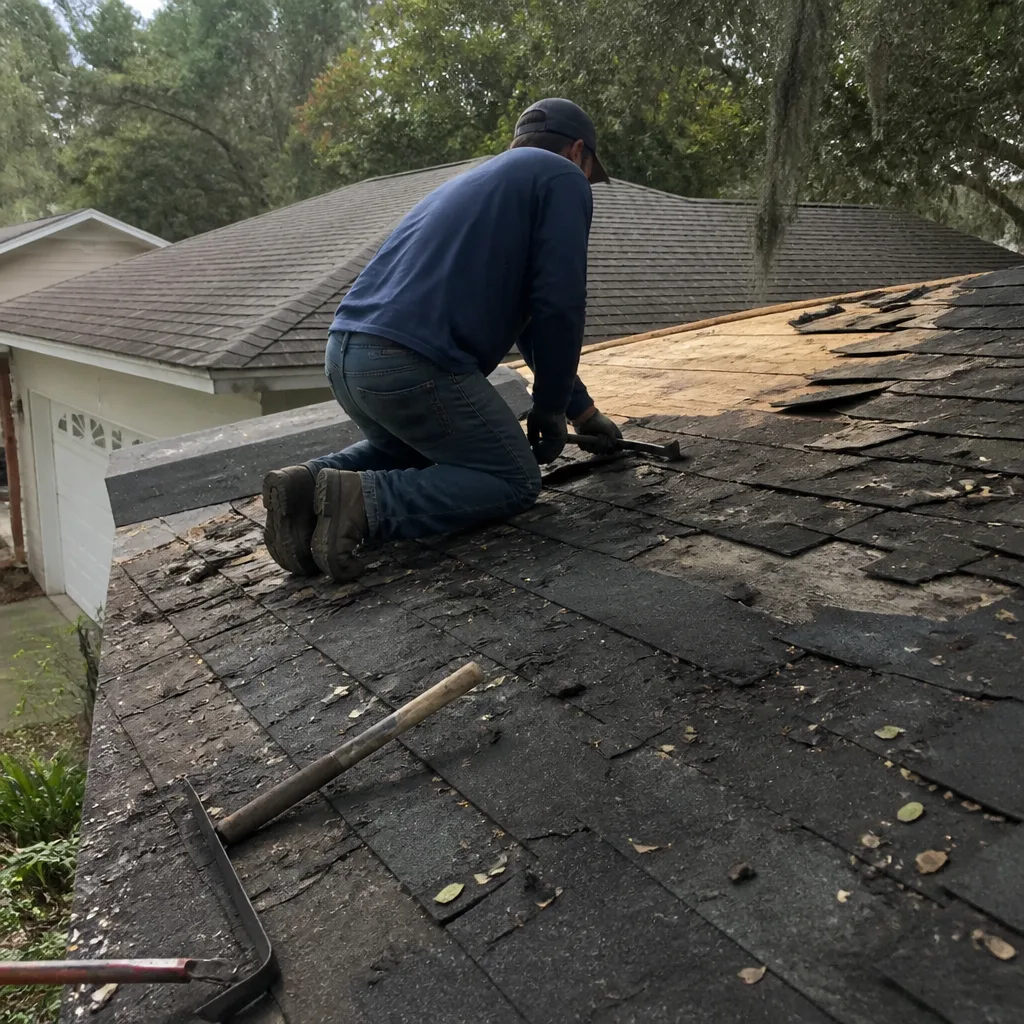 Before
 After
AfterReplacement Cost & What’s Included
In Orlando, a single IKO flashing replacement (one vent pipe or pipe boot) runs $320 to $480 installed when the roof is walkable and the decking underneath is sound. Chimney base flashing runs higher, usually $450 to $680, because it means replacing step flashing, counter-flashing, and resealing the masonry joint. Wall-to-roof transition flashing is in the same $450 to $650 range depending on the wall length and siding material.
Every price includes the flashing material matched to the pipe or penetration size, removal of the failed part, a section of new IKO-compatible underlayment, re-setting of the surrounding shingles, and cleanup of the work area. If we get on the roof and find rotted decking, we show you before cutting anything, and the written price changes only with your sign-off. The repair carries a written guarantee, and the whole job is covered by the 365-Day Done Right Promise: if it fails inside a year, we return and fix it at no charge.
DIY or Call Us?
You can safely inspect your flashing from the ground with binoculars or from the attic with a flashlight. Look for cracked rubber collars, lifted metal edges, and daylight around penetrations. What you shouldn’t do is climb onto an Orlando roof in the afternoon heat, especially after the afternoon storms we get in the summer months, to attempt a flashing swap yourself. Roof surfaces hit 140 degrees, and a slip on a damp or mossy slope is a fast way to a serious injury.
The DIY risk on flashing isn’t just safety. Most failures we see after a homeowner attempt come from reusing the old nails, sealing with the wrong compound, or laying shingles back down without proper nailing and adhesive. The repair holds for one season and fails the next. If you’ve already got water coming in, a second failed repair doubles the damage. Call (850) 303-7235, and we’ll come out, walk the roof, and put the number in writing before any work starts.
FAQs
IKO flashing typically lasts 8 to 15 years in Orlando’s climate, with rubber collar boots on the shorter end and metal chimney flashing on the longer end. The heat and UV load break down rubber collars faster than anything else. Call (850) 303-7235 if you’re unsure whether yours needs replacing, and we’ll give you an honest read.
Small lifted edges can sometimes be re-sealed as a temporary fix, but a cracked rubber collar or rusted-through metal base needs replacement, not patching. Once water has a path, a sealant-only repair almost always fails again within a season. We’ll tell you straight which category yours falls into when we inspect it.
A single pipe boot or vent flashing replacement usually takes 30 to 60 minutes once we’re on the roof. A chimney or wall transition takes a few hours. Most IKO flashing replacements in Orlando are finished the same visit, with no second trip needed.
Yes, we stock the common IKO-compatible profiles, including 1.5-inch and 2-inch pipe boots and exhaust collars, on the truck for standard Orlando roof penetrations. Greg Holloway walks every roof himself before quoting, so he knows exactly which profile your home needs before the repair crew arrives. Call (850) 303-7235 to schedule a free estimate.
Written by Greg Holloway, Owner, Tilehurst Roofing Orlando at Tilehurst Roofing Orlando, serving Orlando and nearby areas.