
Last updated October 17, 2026
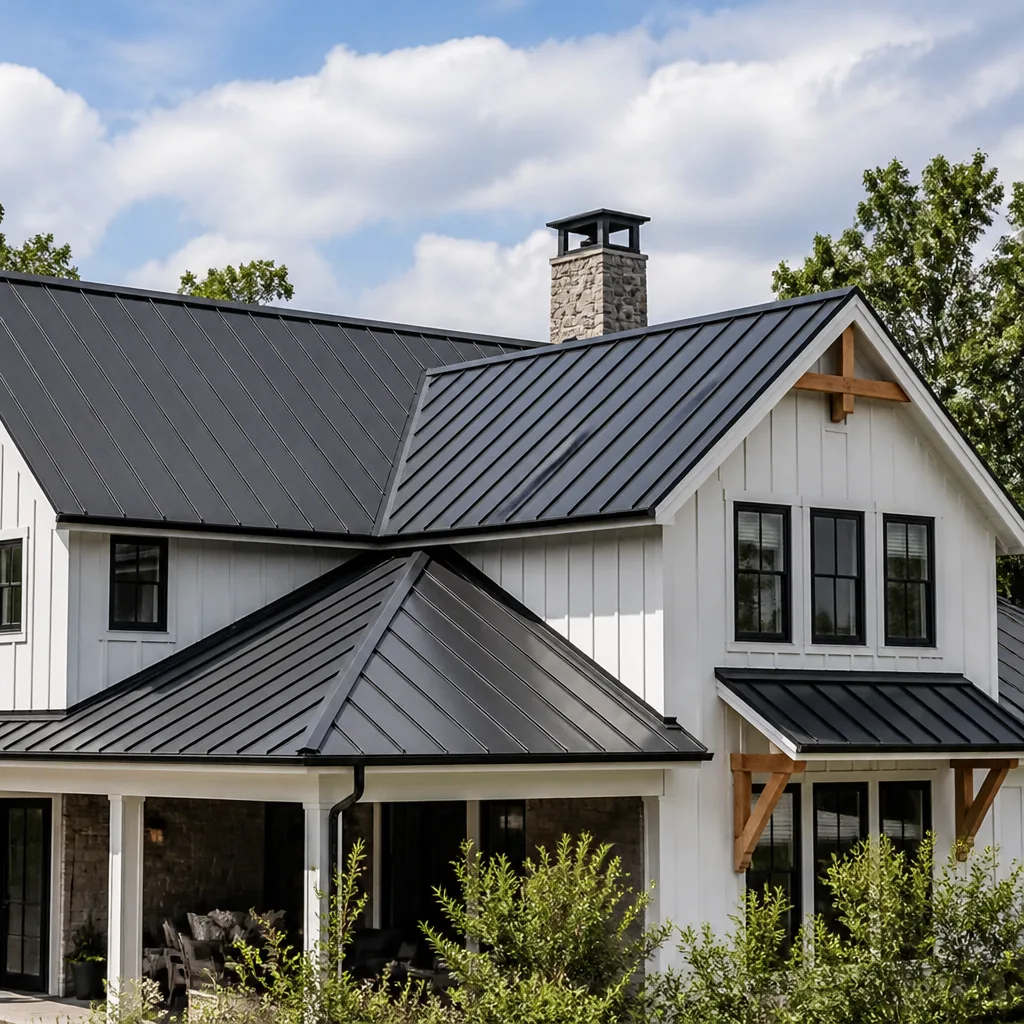 Metal roofing
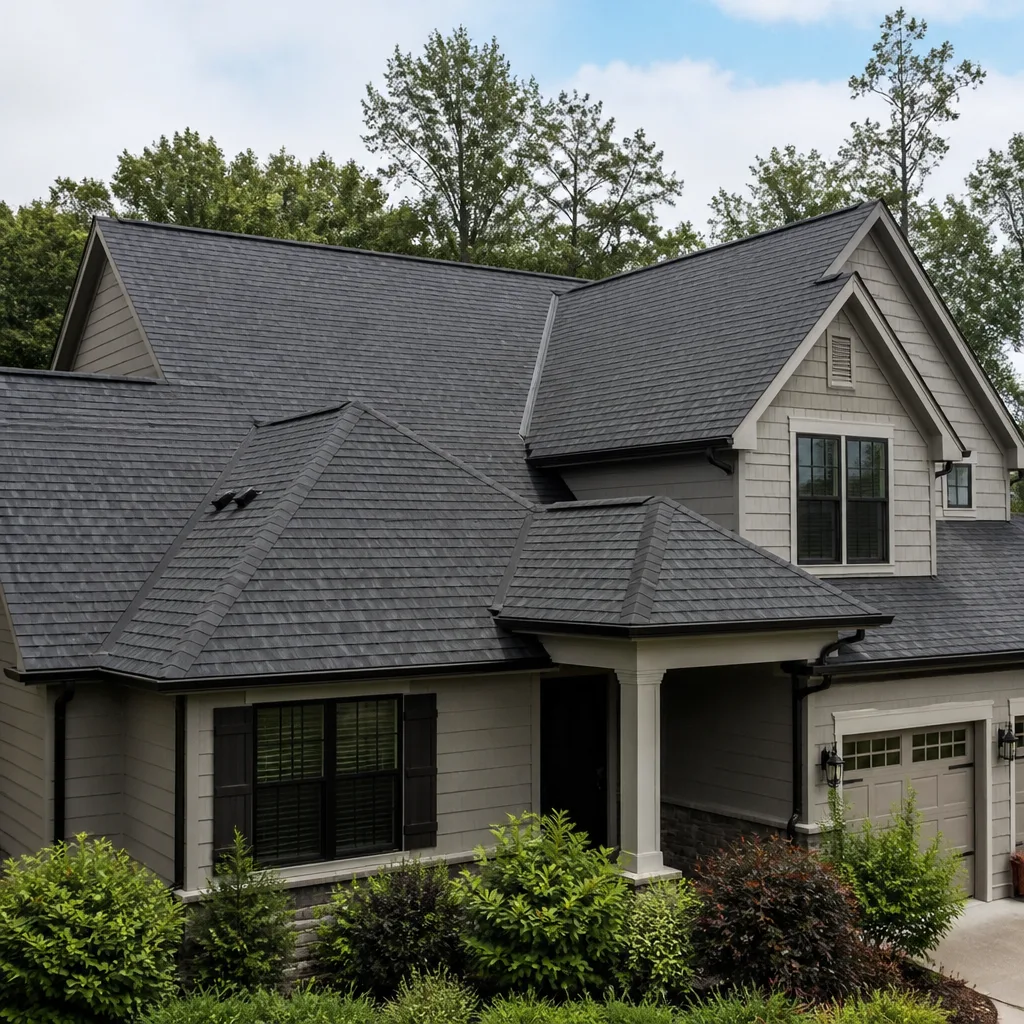 Architectural shingles
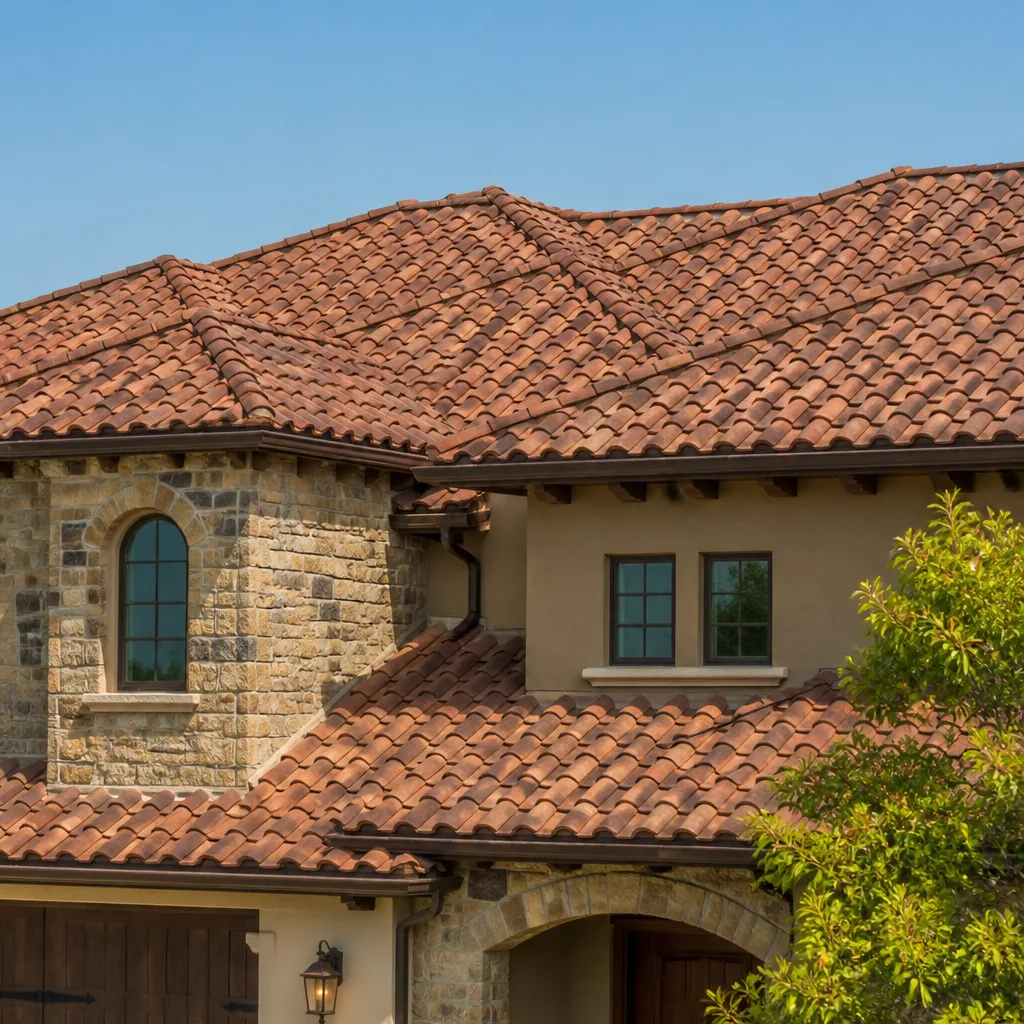 Tile roofing
 GAF
GAF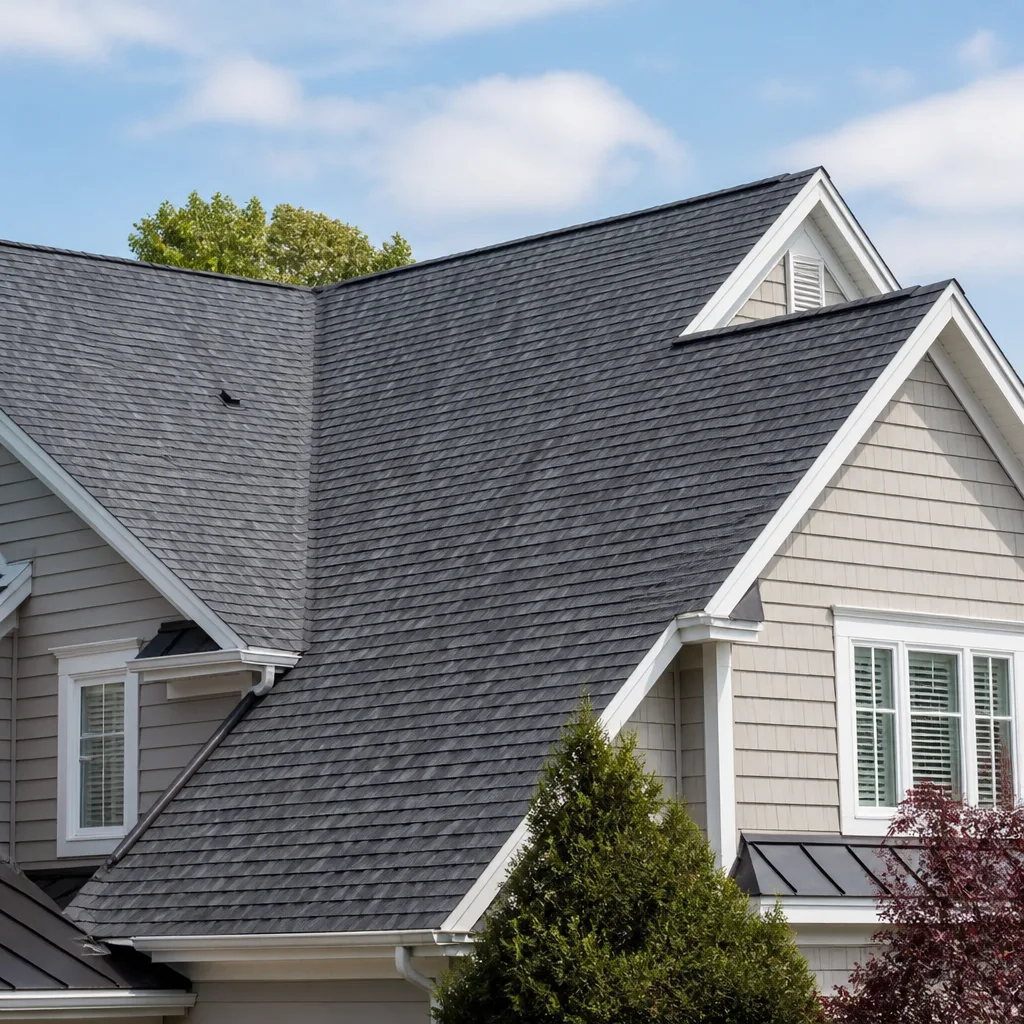 Owens Corning
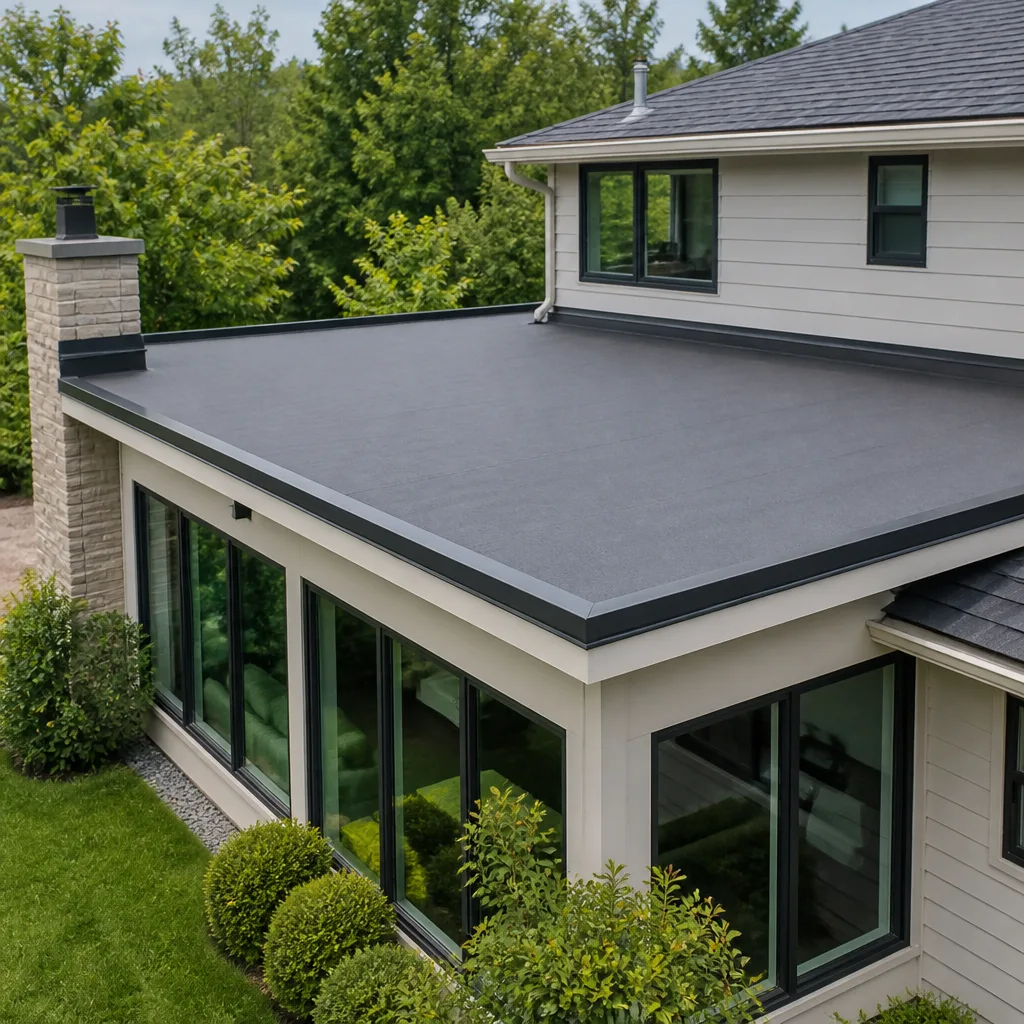 Flat & low-slope
Free roof inspection with deck photos before we talk money - GAF and Owens Corning certified installation
How to Hire a Roofing Contractor in Orlando: A Step-by-Step Guide
After Hurricane Ian, the Florida Department of Business and Professional Regulation recorded more contractor complaints than in any prior 12-month period. The pattern repeated itself across Orlando neighborhoods: a company nobody could verify, a contract price that shifted on the doorstep, and a warranty that evaporated the first time something leaked. This guide walks through the exact vetting process we use when evaluating our own subs, adapted for a homeowner in Orlando who wants one shot at getting the roof done right. For more guides & resources, visit our blog.
By the time you finish reading, you’ll know how to check a Florida roofing license in under two minutes, which questions separate a real local company from a storm chaser with a local phone number, and which line items in a bid explain a $4,000 price gap versus which ones just pad the margin.
Quick Answer
Hiring a roofing contractor in Orlando means verifying the company’s Florida DBPR license, confirming they pull permits in Orange County and the surrounding municipalities per Roofing Permits, Codes & Inspections in FL: What You Need to Know, getting a written itemized estimate before any work starts, and rejecting anyone who pressures you on an Assignment of Benefits or offers to waive your deductible. A legitimate Orlando roofer will hand you a written price and a written guarantee, answer when you call, and show up in the window they gave you.
Styles & brands we work with
Table of Contents
- Step 1: Verify the Florida Roofing License (Takes Two Minutes)
- Step 2: The First Phone Call: Questions That Expose Storm Chasers
- Step 3: What a Written Estimate Must Contain in Florida
- Step 4: Orlando-Specific Red Flags: AOB, Deductible Waivers, and No-Permit Proposals
- Step 5: How to Compare Bids When Prices Differ by $4,000
- Step 6: Choosing Materials: Seven Manufacturers, One Roof
- Step 7: The Written Guarantee: What It Should Cover and for How Long
- Step 8: Signing the Contract: What Happens Before the First Nail
Step 1: Verify the Florida Roofing License (Takes Two Minutes)
Every legitimate roofing contractor working in Orlando holds a Florida roofing license issued by the Department of Business and Professional Regulation. You can verify this at DBPR’s website by searching the company’s legal name or the license number they should be happy to provide. If a company hesitates, changes the subject, or gives you a personal license number that doesn’t match the company name, that’s the end of the conversation.
The DBPR lookup shows the license status, any complaints on file, and whether the license is active or expired. Three specific statuses mean walk away immediately:
- Delinquent: The license has lapsed. The company cannot legally perform roofing work in Florida right now.
- Revoked or Suspended: The state has taken action. Whatever the reason, you don’t want to find out on your own roof.
- No record found: The company may be operating under an unlicensed trade name, which is a misdemeanor in Florida and a red flag the size of a sheet of plywood.
Orlando sits across two counties, Orange and a slice of Seminole, and several municipalities issue their own business tax receipts. A real Orlando roofer carries both the state license and local registration. Ask for both. We keep our documentation ready to show on the first visit because it’s the quickest way to prove we’re the roofing company in Orlando you can hold accountable.
One more thing: the license holder’s name should be the person whose company you’re hiring, not a rented qualifier. In Florida, it’s legal for a company to operate under a qualifier’s license without the qualifier having any day-to-day involvement. A roofing company where the licensed qualifier never visits jobsites is a phone number with a marketing budget, not a roofer.
In our experience, the homeowners who call us after being burned almost never ran this two-minute check. It’s the single highest-value step in this entire guide.
Step 2: The First Phone Call: Questions That Expose Storm Chasers
A storm chaser using an Orlando phone number sounds like a local company until you ask the right questions. The first phone call isn’t about getting a quote. It’s about determining whether the person on the other end has ever stood on an Orlando roof in August.
Ask these five questions, in order:
- “What’s your physical address in the Orlando area?” A real local company gives you a street address without pausing. A storm chaser gives you a P.O. box, a UPS store address, or a town in another state.
- “Who holds your Florida roofing license, and what’s the number?” The answer should come from memory or within seconds. A legitimate roofer recites this number the way you recite your own phone number.
- “Do you pull permits for roof replacement in Orange County?” The answer must be yes, without qualification. Anyone who says “you don’t need a permit for that” is either lying or breaking the law.
- “Who will be on my roof doing the work?” If the answer is “my crew” with no names, no background check language, no uniforms, assume you’ll meet whoever they could hire that morning. We send background-checked, uniformed technicians on every job, and we can tell you their names before they arrive.
- “What happens if the repair fails in three months?” This question alone eliminates most bad contractors. The answer you want is some version of: “You call us, we come back, and you pay nothing.” We put that in writing on every repair, and it’s the foundation of our 365-Day Done Right Promise: if it’s not done right, we make it right, for a full year after the job.
Storm chasers are trained to answer surface-level questions. The questions above go one level deeper, and that’s where the act falls apart.
Step 3: What a Written Estimate Must Contain in Florida
Florida law requires certain elements in a residential roofing contract, but a written estimate is different from a contract. The estimate is the pricing document. It tells you what you’ll pay before you sign anything. If a roofer won’t put the price in writing before work starts, you’re negotiating against yourself.
A legitimate written estimate for a roof in Orlando should contain:
- The full legal name of the company matching the DBPR license exactly, along with the license number.
- An itemized scope of work: decking, underlayment, drip edge, flashing, ridge cap, vents, and the shingle or tile system specified by manufacturer and product line, not just “shingles.”
- Line-item pricing for each component of the job, not one lump number with no explanation.
- The specific material quantities in squares, bundles, or linear feet where applicable.
- A start date window and estimated duration.
- The permit cost listed separately so you can see exactly what the municipality charges versus what the contractor charges to handle it.
- Payment terms including the deposit amount, progress payments, and final payment trigger.
- The warranty language or at minimum a reference to the written guarantee that will accompany the final invoice.
The absence of a written estimate is not a quirk. It’s a business model. A contractor who won’t put a price on paper before starting is either planning to raise it or doesn’t want a document you could show a lawyer. At Tilehurst Roofing Orlando, a written price is in your hands before any work starts. That’s not a courtesy. It’s the only way we’d want to be hired, and it’s a direct expression of the Kingswell Way: say the price before the work.
Most asphalt-shingle repairs in Orlando run $350 to $900 depending on the size of the affected area, and full replacements typically start around $11,000 for a simple ranch and climb from there based on square footage, pitch, and material choice. You should know your range before the estimator leaves the driveway.
Step 4: Orlando-Specific Red Flags: AOB, Deductible Waivers, and No-Permit Proposals
Three pressure tactics are more common in Central Florida than anywhere else in the country. Know them by name before you start taking meetings.
Assignment of Benefits (AOB) Pressure
An Assignment of Benefits is a legal document that transfers your rights under your insurance policy to the contractor. In Orlando’s post-storm environment, some contractors push AOB as a convenience: “Sign here, and we’ll deal with your insurance company directly.” What they don’t say is that once you sign, you’ve given away your ability to negotiate, dispute, or even be informed about the claim. The contractor can bill the insurer directly, at whatever price they choose, and you’re left out of the conversation entirely. If a roofer pressures you to sign an AOB before you’ve even talked to your insurer, walk away. A legitimate contractor can work with your insurance company without taking ownership of your policy.
“We’ll Waive Your Deductible”
This is not a favor. It’s insurance fraud under Florida law. A contractor who offers to waive your deductible is either overcharging the insurer to cover the difference, cutting corners to make the math work, or both. Insurance fraud on your policy is your legal exposure, not just theirs. The moment you hear this offer, end the conversation. A legitimate Orlando roofer will tell you your deductible is between you and your insurer, not a line item to be negotiated away.
No-Permit Proposals
Orange County and most municipalities in the Orlando area require a permit for roof replacement and for structural repairs. A contractor who proposes to skip the permit is telling you three things simultaneously: they don’t want an inspector looking at their work, they don’t want a paper trail, and they’re willing to put your home’s insurability at risk to close a deal. Unpermitted roof work can complicate a future home sale, void your insurance coverage, and come back as a code violation years later. A real contractor pulls the permit and passes the inspection. That’s the entire point.
Step 5: How to Compare Bids When Prices Differ by $4,000
It’s common for two bids on the same Orlando roof to differ by $4,000 or more. The gap doesn’t always mean one contractor is gouging and the other is a bargain. Sometimes it means the two contractors are bidding different jobs.
The line items that legitimately explain a price gap:
- Decking replacement: If one bid includes replacing rotted OSB or plywood decking and the other doesn’t, that’s real money. Rotted decking cannot be roofed over, and in Orlando’s humidity, it’s common.
- Underlayment specification: A synthetic underlayment rated for high-wind zones costs more than basic felt but performs dramatically better in Orlando’s summer downpours.
- Flashing scope: Replacing all step flashing, pipe boots, and valley metal adds cost. Reusing old flashing saves money now and leaks later.
- Ventilation improvements: Adding ridge venting or upgrading to a balanced intake-and-exhaust system adds $500 to $1,500 but extends the life of the roof in Orlando’s heat.
- Manufacturer certification: Installing a roof to a manufacturer’s exact spec so it qualifies for an enhanced warranty costs more in labor precision and required accessory products.
The line items that are just margin padding:
- Vague “miscellaneous” or “general conditions” charges over a few hundred dollars with no explanation.
- A second mobilization fee for a single-phase job.
- Duplicate charges: the same line item appearing twice under different names.
- Manufacturer upgrade fees that don’t correspond to the actual price difference between product lines.
Ask each bidder to walk through the scope line by line. The roofer who can explain why a line item exists and what it costs is the one you want. The one who says “it’s all included” without specifics is charging you for the privilege of not asking.
Step 6: Choosing Materials: Seven Manufacturers, One Roof
When a contractor only offers one brand, you’re not getting a recommendation. You’re getting what happens to be in the truck. Orlando’s climate demands a real conversation about material selection: hot summers, intense UV, hail risk, and wind-driven rain all affect which product performs on your specific roof.
Tilehurst Roofing Orlando carries material options from seven leading manufacturers, including CertainTeed, Owens Corning, IKO, Atlas, and three others. That matters because each manufacturer has strengths in different categories:
- CertainTeed is known for a wide range of architectural shingles with strong wind ratings, which matters in Central Florida’s hurricane zones.
- Owens Corning offers a strong color selection and widely recognized warranty programs.
- IKO produces durable laminated shingles at competitive price points for homeowners who want performance without premium pricing.
- Atlas is recognized for impact-resistant options that hold up to hail, a real consideration for Orlando homeowners.
The right choice depends on your home’s pitch, orientation, surrounding tree cover, and budget. A flat roof with ponding water needs a different system than a steep gable catching full afternoon sun. We’ll show you real product samples and explain the trade-offs in plain language, not marketing jargon. And we’ll put the exact product name and color on your written estimate so there’s no substitution game later.
What does all this cost?
- Repair work (flashing, pipe boots, small shingle sections): $350 – $900
- Partial section re-roof: $1,500 – $4,000 depending on size and access
- Full roof replacement, basic architectural shingle: $11,000 – $18,000 for most Orlando homes
- Full roof replacement, premium shingle or tile-look system: $18,000 – $30,000+
- Full roof replacement, standing seam metal or genuine tile: $30,000 – $60,000+
These are honest ranges for the Orlando market, not promises. Your roof’s specific size, pitch, complexity, and current condition all move the number. Call (850) 303-7235 for an exact quote. Estimates are free.
Step 7: The Written Guarantee: What It Should Cover and for How Long
A verbal warranty is worth the paper it’s written on, which is none. In Florida, the only guarantee that matters is the one in writing. Before you sign a contract, ask to see the warranty document. Not a summary. The actual document.
A legitimate written guarantee on roof work should cover:
- Workmanship defects: leaks, loose shingles, failed flashing, anything caused by installation error. The term should be explicit, typically one to five years. We put a full year on every repair through our 365-Day Done Right Promise.
- Repair rework: If a repair fails inside the guarantee period, the contractor returns at no charge. We do this on every repair, no exceptions, no negotiation.
- Materials coverage: The manufacturer’s warranty on shingles, underlayment, and accessories. The lengths vary by product line, and the roofer should explain exactly what’s covered and what voids it.
- Transferability: Does the warranty pass to a new owner if you sell? A transferable warranty adds real value to your home.
- Exclusions: Every warranty has them. Storm damage, for example, is typically not a workmanship issue. The exclusions should be written in plain language, not buried in fine print.
At Tilehurst Roofing Orlando, a written guarantee on every repair is delivered before the crew leaves, not mailed later. It’s not a follow-up. It’s the receipt for the job you paid for. And under the 365-Day Done Right Promise, a full year of documented accountability follows every single job, replacement or repair. If you’re weighing two bids and one comes with a written guarantee and the other comes with a handshake, the decision isn’t a decision.
Step 8: Signing the Contract: What Happens Before the First Nail
The contract is the final filter. By the time you’re signing, you should have already verified the license, asked the hard questions over the phone, reviewed the written estimate line by line, eliminated the AOB pushers and deductible waivers, and compared materials honestly. The contract should match everything you’ve already agreed to. If it doesn’t, don’t sign.
Before the first nail connects with your roof, this is what a legitimate Orlando roofer should do:
- Pull the permit with Orange County or your municipality, and provide you the permit number.
- Deliver materials to your property in clearly labeled manufacturer packaging, not repackaged or unbranded material.
- Walk you through the scope one more time, confirming the exact products, colors, and accessory items from your written estimate.
- Provide contact information for the site supervisor for the duration of the project, not just the salesperson you met first.
- Explain the work sequence, including tear-off, decking inspection, underlayment, installation, and cleanup.
We also leave the property cleaner than we found it. That’s not a slogan. It means magnet-sweeping for nails, removing debris on a schedule, and not leaving your family to discover a roofing nail in the driveway three weeks later. It’s part of the Kingswell Way, along with answering the phone when you call, showing up in the window we gave, and writing it all down before we start.
The crew on your roof matters as much as the shingles. We send background-checked, uniformed technicians, not day labor picked up that morning. You should know exactly who is on your roof, and that standard should be non-negotiable for any contractor you hire in Orlando.
Common Mistakes to Avoid
- Hiring the first door-knocker after a storm. The crew that shows up uninvited after a hailstorm is usually from another state. They’ll be gone by the time the leak shows up, and your warranty will be a phone number that doesn’t ring.
- Skipping the DBPR license check. Two minutes on the website could save you from a criminal unlicensed contractor and a voided insurance claim. There is no more efficient step in this guide.
- Signing an Assignment of Benefits under pressure. You’re not simplifying the process. You’re giving away your legal standing in your own insurance claim, and Orlando is ground zero for AOB abuse.
- Accepting a verbal quote. If the price isn’t in writing, it isn’t a quote. It’s a suggestion, and in Florida, suggestions have a way of changing at the front door.
- Comparing bids on total price alone. A $4,000 gap often means one bid includes decking replacement and proper underlayment and the other doesn’t. Compare line items, not bottom lines.
- Choosing a roofer who won’t pull a permit. Unpermitted work saves you a few hundred dollars today and risks your insurability and resale value tomorrow. Orlando’s building departments exist to protect you, not to inconvenience your contractor.
- Accepting a warranty without reading the document. If the warranty is only verbal, it doesn’t exist. Read the exclusions. Understand the term. Get it in writing before the crew leaves.
See the difference
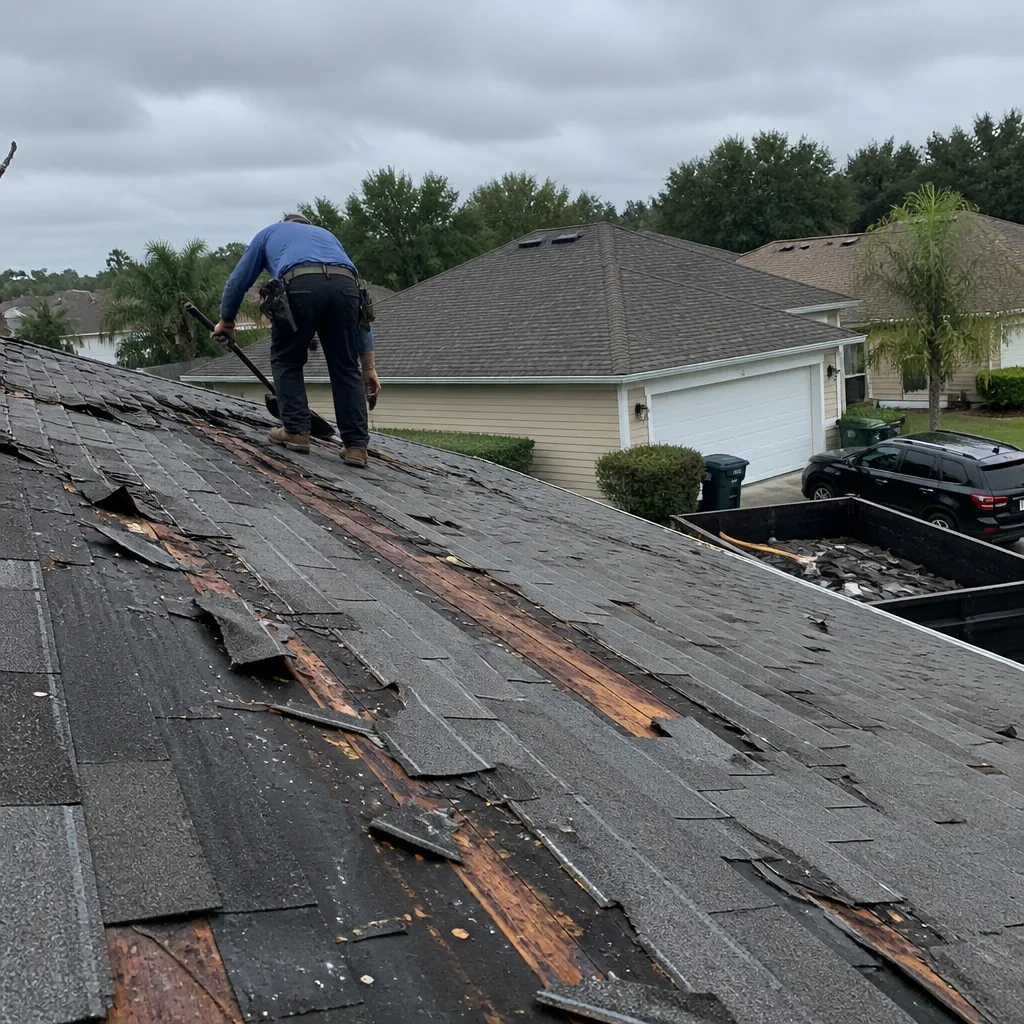 Before
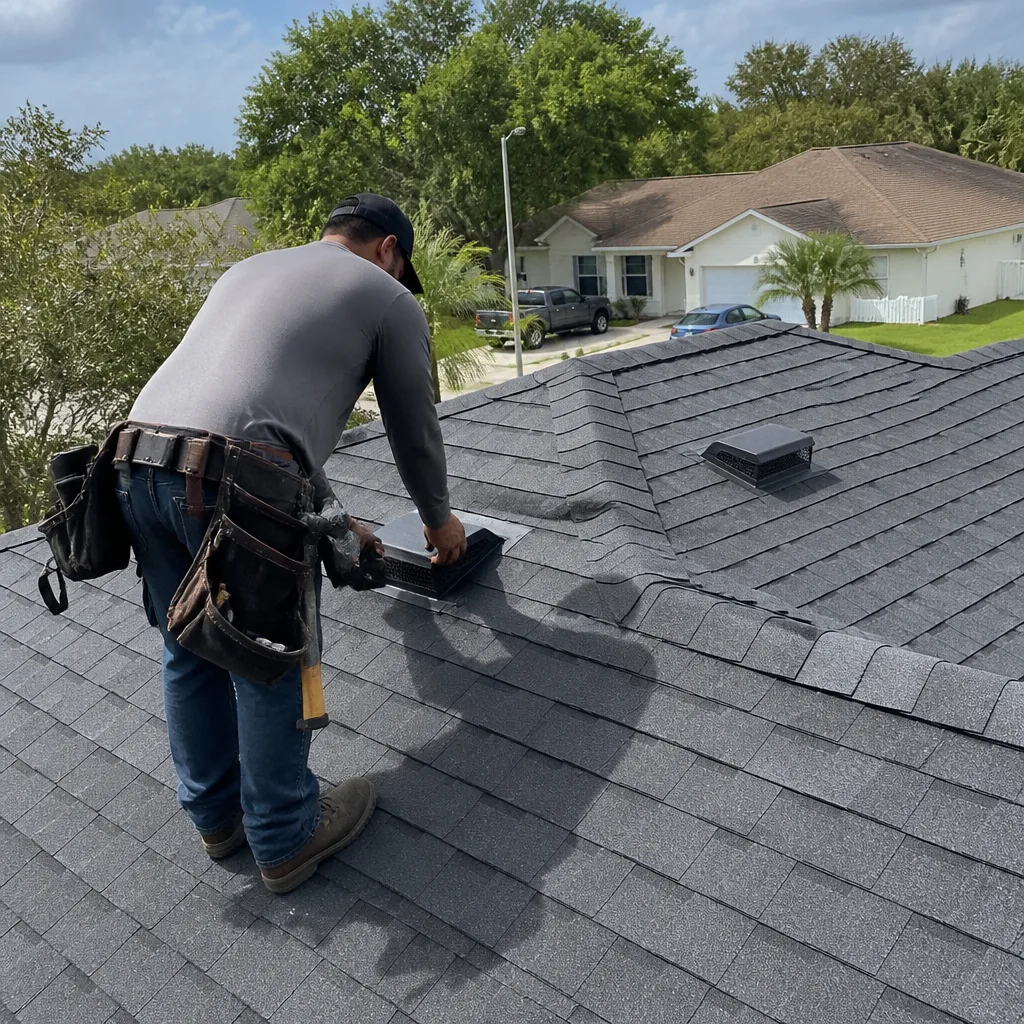 After
After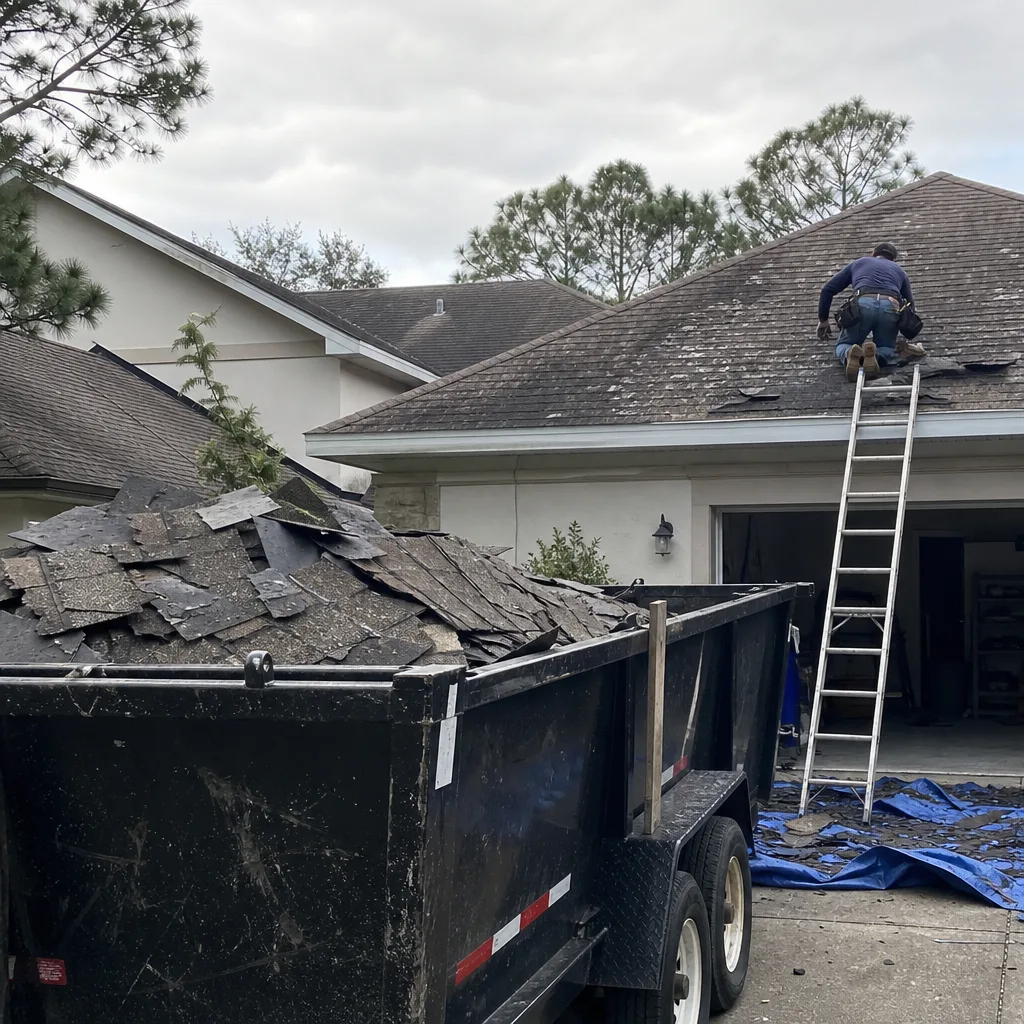 Before
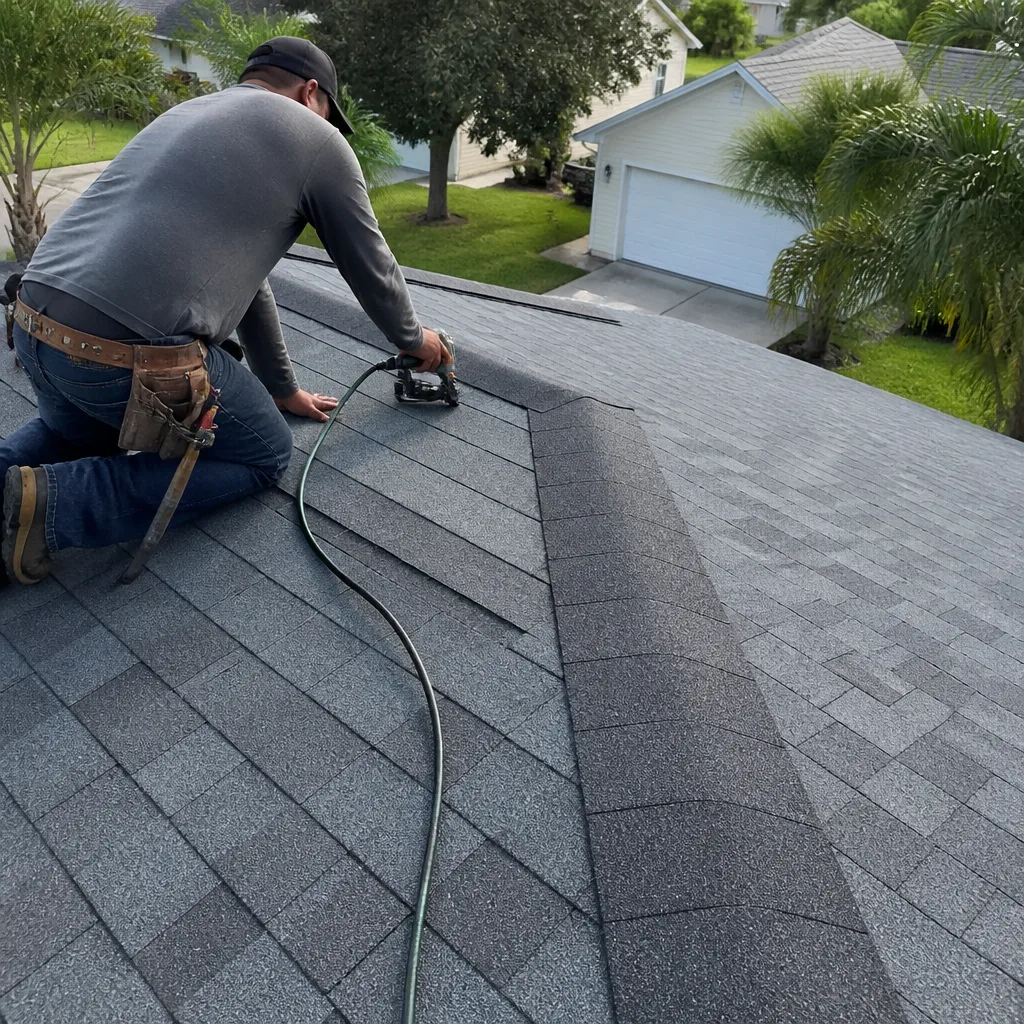 After
After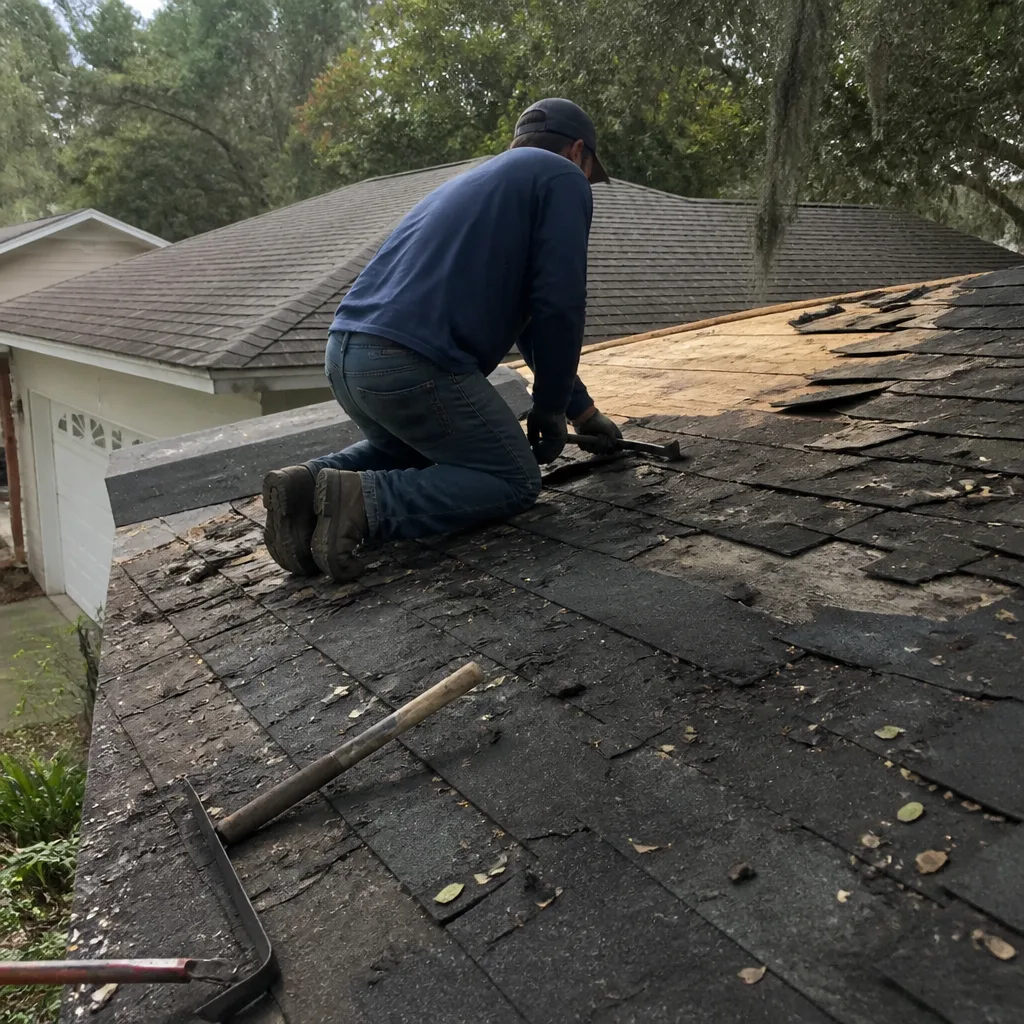 Before
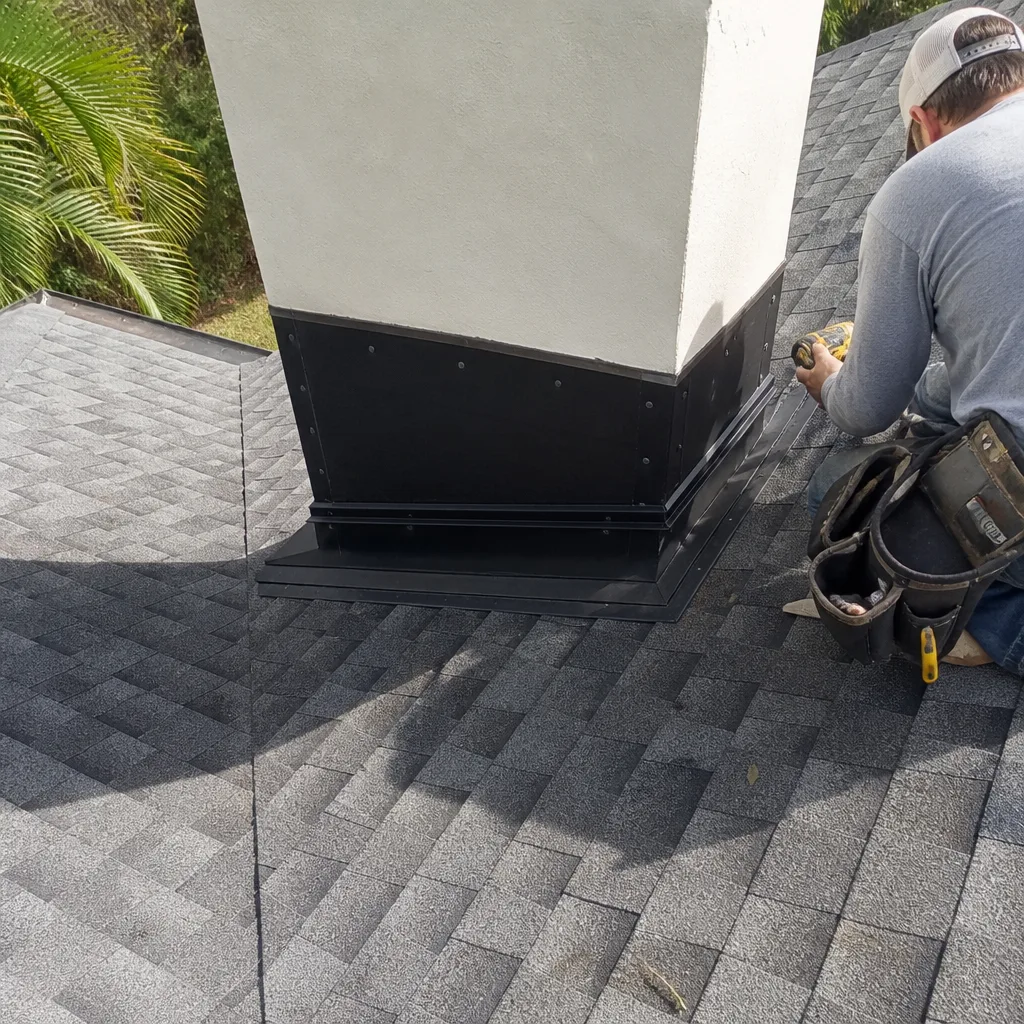 After
AfterWhen to Call a Professional
Some roofing decisions are obvious enough to make on your own: a few missing shingles after a wind event, a small leak around a pipe boot, or visible flashing separation. But most situations in Orlando call for a trained eye, and here’s the honest list of scenarios where you should not climb up and “take a look” yourself:
- Any leak you cannot trace directly to a visible penetration like a pipe or vent.
- Water stains on the ceiling that grow between rainfalls, suggesting trapped moisture in the decking.
- A roof past 15 years old in Orlando’s heat and UV, even if it looks “fine” from the ground.
- Any sign of granule loss so heavy that your gutters fill with shingle material.
- Post-storm conditions where you suspect structural damage or missing decking.
Early and accurate intervention is the difference between a $400 repair and a $14,000 replacement. Tilehurst Roofing Orlando offers free estimates in Orlando. Call (850) 303-7235 and talk to a live person, any time, day or night.
Frequently Asked Questions
Search the Department of Business and Professional Regulation website using the company’s legal name or license number. The lookup shows license status, complaints, and expiration date. Any status other than active, unencumbered, and matching the company name means walk away.
Most full roof replacements in Orlando range from $11,000 to $18,000 for architectural shingle on an average home, with premium systems running $18,000 to $30,000 or more. Your specific number depends on square footage, pitch, decking condition, and material choice. Call (850) 303-7235 for an exact quote; estimates are free.
Yes. Orange County and most municipalities in the Orlando area require a permit for roof replacement and structural repairs. A contractor who proposes to skip the permit is saving themselves an inspection, not saving you anything.
You should not sign an AOB under pressure. It transfers your rights in your insurance claim to the contractor and removes you from the negotiation. Discuss any benefit assignment with your insurer first, and never sign one presented as a condition of starting work.
A legitimate written warranty covers workmanship defects like leaks and loose shingles for an explicit term, usually one to five years. It should also reference the manufacturer’s material warranty separately and state exclusions in plain language. If the warranty is not in writing, it does not exist.
Most residential roof replacements in Orlando take one to three days for tear-off and installation, depending on size, pitch, and weather. The permit and inspection process adds time on either end. Your contractor should provide a start window and duration in the written estimate before you sign.
Call (850) 303-7235 to schedule your free estimate in Orlando. You’ll get a written price, a straight answer, and a live person on the line.
The Bottom Line
Hiring a roofing contractor in Orlando is a sequence, not a vibe check. Verify the Florida license on DBPR. Ask the five questions that separate local roofers from storm chasers. Demand a written, itemized estimate. Reject the AOB pressure, the deductible waivers, and the no-permit proposals. Compare bids line by line. Choose from a real material selection, not one house brand. Get the guarantee in writing before the crew leaves. Do all of that, and you’ll hire the way we’d want our own family to hire: price first, people you can identify, promises on paper. Greg Holloway leads Tilehurst Roofing Orlando, and everything in this guide is how we actually operate, every day, on roof repair in Orlando and roof replacement in Orlando alike. Call (850) 303-7235 for a free estimate, and a live person will answer.
Written by Greg Holloway, Owner at Tilehurst Roofing Orlando, serving Orlando since 2000.