
Last updated October 17, 2026
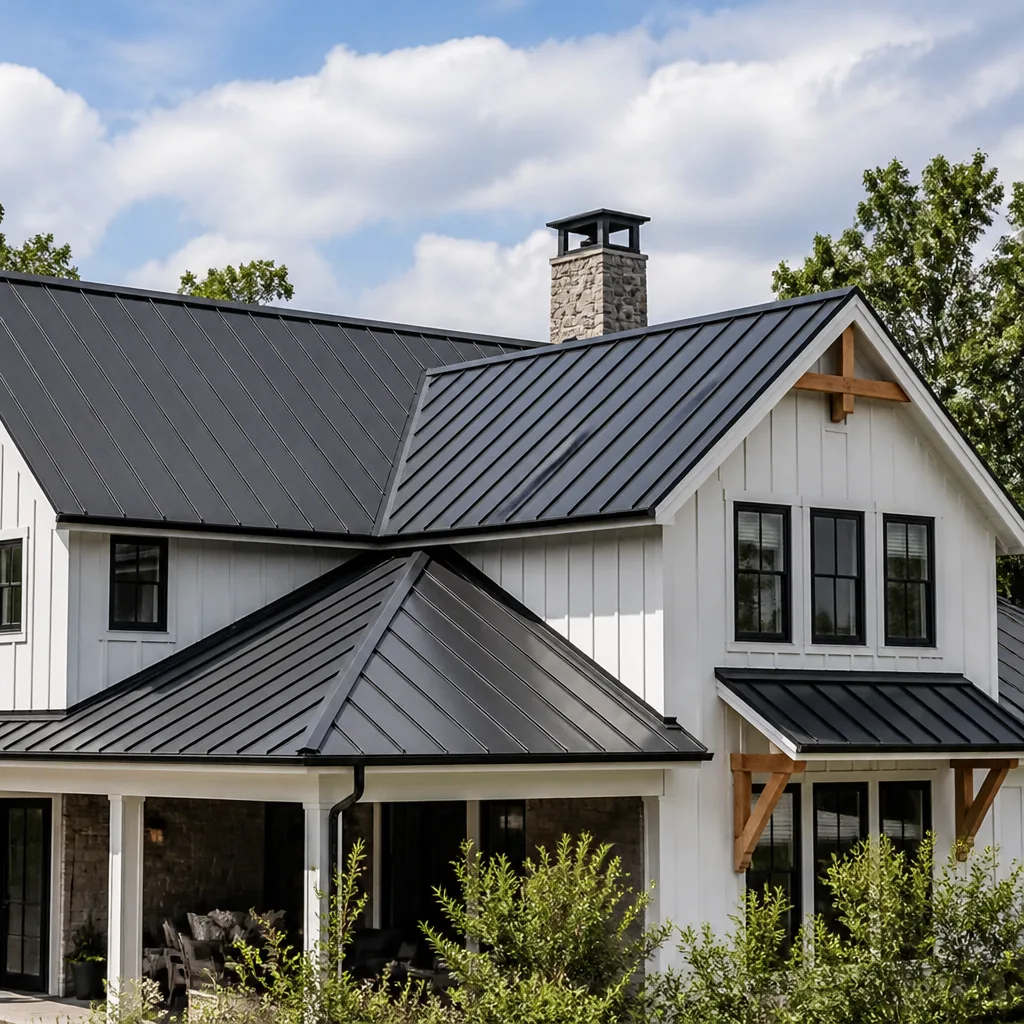 Metal roofing
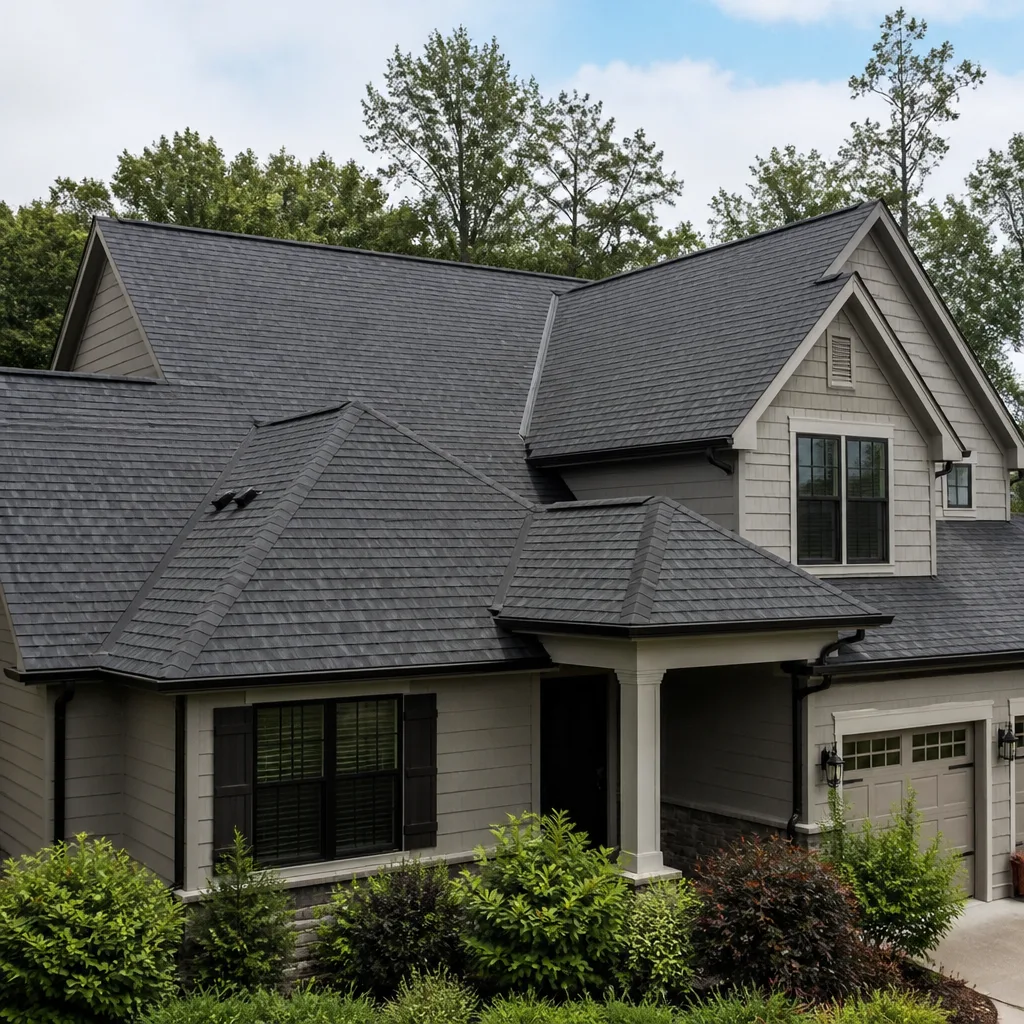 Architectural shingles
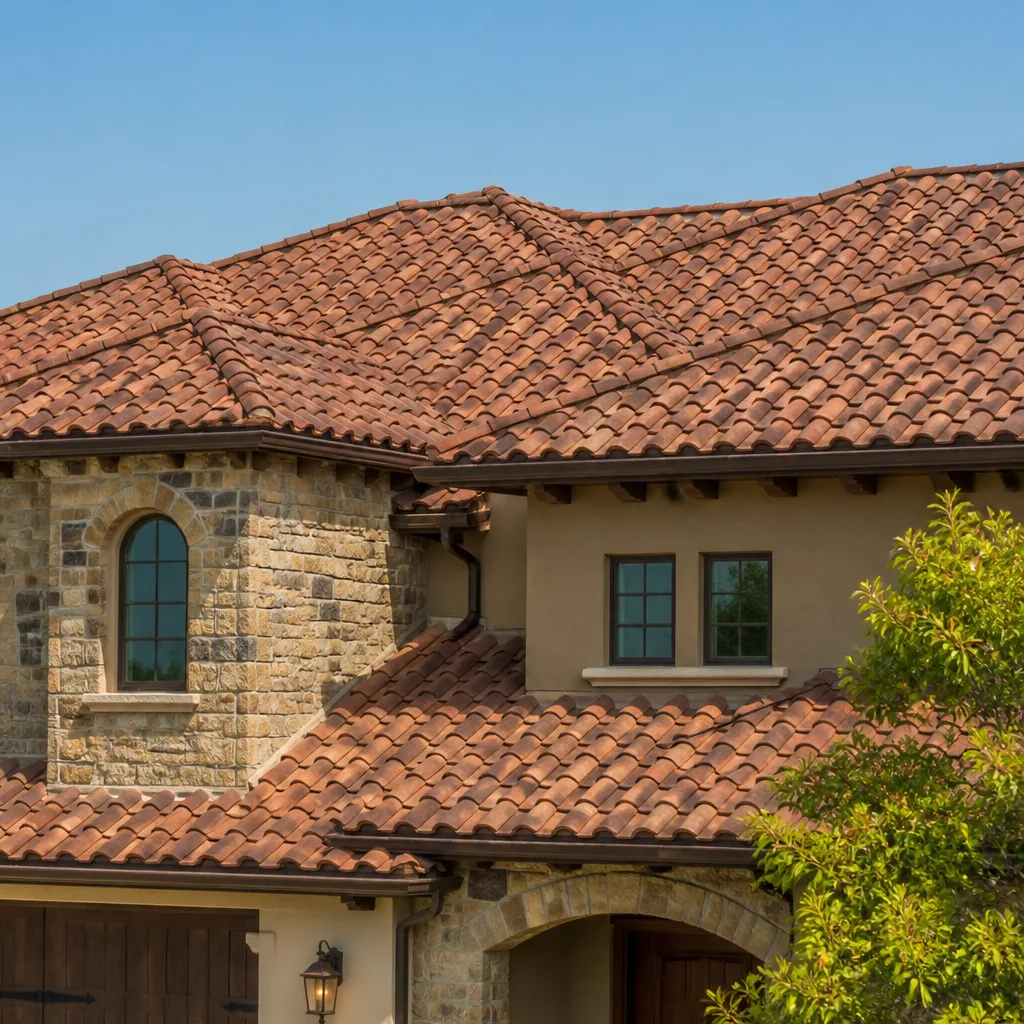 Tile roofing
 GAF
GAF Owens Corning
 Flat & low-slope
Free roof inspection with deck photos before we talk money - GAF and Owens Corning certified installation
Roofing Company Maintenance Checklist for Orlando Homeowners
Most roofing maintenance checklists fail homeowners in Orlando for a simple reason: they were written by marketing departments, not roofers. They tell you to “inspect your shingles” without explaining what heat-softened ridge cap looks like, or they advise checking “seals around pipes” without telling you that Florida’s UV radiation cracks EPDM rubber boot seals in five to seven years, almost on schedule. Here’s the counterintuitive truth: if a roofing company hands you a free inspection report with no photos and no specific measurements, you didn’t get an inspection – you got a sales visit. This guide is built around what our Roofing Company services crews actually look for when they walk a roof in Orlando, translated into plain language. You’ll learn the three local failure points we check first, what you can safely inspect from the ground, how to read a real inspection report, and the seasonal rhythm that keeps Orlando roofs out of trouble.
Quick Answer
A proper roof maintenance checklist for Orlando homeowners covers three priorities: ridge cap adhesion (heat softens the sealant over our long summers), pipe boot seals (Florida UV cracks the rubber in 5 – 7 years), and soffit panel separation from fascia (a major entry point for moisture and pests). Most asphalt-shingle repairs in Orlando run $350 – $800 once a problem is caught; a full replacement typically starts around $12,000 and climbs from there. The most cost-effective routine is a professional inspection each fall after hurricane season, plus a quick ground-level check after any named storm; see our Roofing Cost Breakdown: The Orlando Homeowner’s Reference for 2026 for detailed pricing.
Styles & brands we work with
Table of Contents
- What a Real Inspection Looks Like in Orlando
- The Three Orlando Failure Points We Check First
- What to Check From the Ground vs. What Requires Getting on the Roof
- How to Read an Inspection Report
- Orlando Frequency Calendar: When to Check What
- How to Document Your Roof’s Condition Over Time
- Common Mistakes to Avoid
- When to Call a Professional
- Frequently Asked Questions
What a Real Inspection Looks Like in Orlando
A legitimate roof inspection in Orlando takes 45 to 90 minutes and produces a written report with photographs, measurements, and specific locations. If someone spends 15 minutes on your property and hands you a one-page summary with a bid attached, that’s a sales call. Here’s what a thorough check actually covers, item by item.
- Ridge cap inspection. The ridge cap is the row of shingles that runs along the peak of your roof. In Orlando, summer heat softens the adhesive strip beneath these shingles, and over time they lift or slide. A real inspection photographs every section of ridge cap and notes any shingle that’s begun to separate.
- Pipe boot and flashing check. Every pipe that penetrates your roof – plumbing vents, furnace exhausts – sits inside a rubber boot. Florida sun degrades that rubber in five to seven years. A real inspector squeezes each boot to check for cracking and photographs any that have started to fail.
- Valley and wall flashing measurement. Flashing is the metal that directs water away from joints where your roof meets a wall or a valley. In Orlando’s heavy afternoon thunderstorms, failed flashing is one of the most common sources of interior leaks. A real inspection measures the remaining overlap and checks for rust-through.
- Soffit and fascia examination. The soffit is the horizontal underside of your roof overhang; the fascia is the vertical board at the roofline. In Orlando, soffit panels separate from the fascia due to heat expansion and age, creating an entry point for moisture, rats, squirrels, and – in Florida – the occasional snake. A real inspection walks the entire perimeter and checks for gaps.
- Decking assessment from the attic. Roof decking is the wood layer under your shingles. A legitimate inspector enters your attic, photographs the underside of the decking, and looks for dark stains, sagging, or soft spots that indicate trapped moisture. This is the single step skipped by most free-inspection pitches.
- Gutter and drainage check. Clogged gutters in Orlando don’t just overflow – they direct water behind your fascia and down your exterior walls during our intense summer downpours. A real inspection verifies that downspouts move water away from the foundation and that gutter seams aren’t separating.
At Tilehurst Roofing Orlando, we’ve built our inspection process around The Kingswell Way: a written price before any work starts, a technician who shows up in the window we gave, and a written report delivered before the crew leaves. If you want to understand what’s actually happening on your roof, start by asking whether the inspector will enter the attic. If the answer is no, you’re getting a sales visit, not an inspection.
The Three Orlando Failure Points We Check First
Every climate has its own roof killers. In Orlando, three specific failure points account for roughly two-thirds of the repair calls we respond to. Understanding them helps you know what to ask about and what a real roofer looks for first.
1. Ridge Cap Adhesion Failure
Ridge cap shingles are installed with an adhesive strip, and that strip is designed for moderate climates. In Orlando, roof surfaces routinely hit 140 – 160 degrees in July and August. That heat doesn’t just soften the adhesive during the day – the cooling cycle at night causes repeated expansion and contraction that gradually breaks the bond. After six to eight Orlando summers, ridge cap shingles begin to lift at the edges, and once they lift, wind-driven rain gets underneath them. The fix is usually straightforward – resealing or replacing the affected ridge cap runs $300 – $600 on most homes. The costly scenario is leaving it alone through one more hurricane season, because a lifted ridge cap during a named storm becomes a peeling point that can strip an entire roof section.
2. Pipe Boot Seal Deterioration
EPDM rubber is the standard material for pipe boots – the collars that seal around plumbing vents and exhaust pipes where they penetrate the roof. EPDM is durable, but Florida’s UV index, among the highest in the continental United States, causes the rubber to become brittle and crack in five to seven years. We see this on nearly every Orlando roof over seven years old. What’s important: a cracked pipe boot doesn’t fail dramatically. It leaks slowly during rainstorms, and the water travels down the pipe into your attic or wall cavity, where it soaks insulation and framing for months before you notice a stain on the ceiling. Replacement of a pipe boot typically costs $200 – $400 including labor and the new boot. Compared to the $2,000 – $5,000 in ceiling and insulation repair that a long-term leak causes, that’s the best maintenance dollar most Orlando homeowners spend.
3. Soffit Panel Separation
Soffit panels are aluminum or vinyl sections that enclose the underside of your roof overhang. They’re held in place by friction in a channel along the fascia and house wall. In Orlando, the combination of intense sun, high humidity, and the natural expansion-contraction cycle of the materials causes panels to bow and pop out of their channels over time. Once a panel separates even a quarter inch, you’ve created a pathway for moisture, wasps, bats, and – most commonly in Orlando neighborhoods like Audubon Park, College Park, and Conway – rodents that nest in the attic. Re-securing separated soffit panels usually costs $150 – $300 per panel. The alternative – a rodent problem in your attic – costs thousands in removal, sanitization, and insulation replacement.
If you’re looking for a roofing company in Orlando that begins with these three checks every single time, we’d encourage you to read about the Kingswell Guarantee: written price before work, written guarantee on every repair, and a live person answering every call, 24/7.
What to Check From the Ground vs. What Requires Getting on the Roof
Here’s a hard truth most checklists won’t tell you: most of what matters on your roof cannot be safely evaluated from the ground. You can spot some warning signs with binoculars or a good camera, and you should. But the three failure points we described above – ridge cap adhesion, pipe boot condition, and soffit separation – require either getting on the roof or setting up a ladder. We don’t recommend climbing on your Orlando roof unless you have the right equipment and experience. Tile roofs in particular are dangerously slippery after rain, and the clay tiles common in neighborhoods like Baldwin Park and Winter Park are easy to crack underfoot, which creates a new problem while you’re looking for an old one.
Safe to Check From the Ground
- Missing or displaced shingles. Use binoculars from your yard or the street. Look for dark patches where a shingle used to be, or shingles that appear shifted out of alignment.
- Curling at the roof edges. The shingles along the eaves – the bottom edge of your roof – are the first to show wear. From the ground, look for turned-up corners along the roofline.
- Granule loss in gutters. Shingles shed granules as they age. After a rainstorm, check your gutter downspout openings for a layer of dark, sand-like material. A thin dusting is normal; a thick accumulation means your shingles are nearing the end of their life.
- Soffit gaps visible from the yard. Stand back 20 feet and look along the underside of your roof overhang. Visible dark gaps between panels mean separation, which invites pests.
- Vegetation or moss growth. In Orlando’s humid climate, organic growth on a shaded north-facing roof slope is common. A little staining is cosmetic; thick moss that lifts shingles is a problem.
Requires a Trained Professional
- Ridge cap adhesion. You cannot assess the adhesive condition of ridge cap shingles from the ground, and lifting one to check requires knowing how not to tear it. A roofer does this in 10 minutes.
- Pipe boot condition. The boot is a rubber collar that requires tactile inspection – you have to press on it to check for cracking – and it’s located in the most awkward spots on the roof.
- Flashing integrity. Flashing sits under shingles and against walls. Determining whether it’s still correctly overlapped requires removing and replacing shingles carefully.
- Decking condition. This requires an attic visit, not a roof walk. A trained inspector checks for staining, soft spots, and delamination from below.
- Any work involving repair or replacement. Roof repairs in Orlando involve heights, power tools, and – with tile roofs – materials that crack easily. This is not weekend-warrior territory.
If you ever feel unsure about whether something you’re seeing is a problem, call us at (850) 303-7235. We’d rather spend 20 minutes walking you through what you’re seeing than have you risk your safety on a ladder.
How to Read an Inspection Report
Roofing inspection reports in Orlando range from a page of vague language to a multi-page document with photos, thermal-readings, and measurements. Here’s how to tell which one you’re holding.
Language That Signals a Legitimate Finding
- Specific locations. “Ridge cap at southeast corner, 6 shingles lifted” is a finding. “General wear noted” is not.
- Measurements. A legitimate report includes numbers: pipe boot cracked along 2 inches of the seam, flashing overlap reduced to 3/8 inch, decking moisture reading 22%. These are recorded observations.
- Photographs with annotations. A reputable inspection includes photos of every finding, with arrows or circles marking the exact spot.
- Prioritized recommendations. An honest report distinguishes between “address now,” “monitor,” and “cosmetic.” Not every defect is urgent, and a roofer who treats every issue as an emergency is selling, not advising.
Language Designed to Upsell
- “Life expectancy reached.” Roof lifespan in Orlando varies widely by material: asphalt shingles last 15 – 20 years, tile roofs 40+, metal 30 – 50. A blanket lifespan statement without reference to your specific material and installation quality is a sales line.
- “Water damage present” without location. If a report claims water damage but can’t tell you which ceiling, which wall, or which truss, ask for specifics.
- “Recommend full replacement” as the only option. A legitimate roofer will tell you when a repair is viable and when it isn’t. If every inspection ends in a full-replacement recommendation, get a second opinion.
- Urgency without evidence. “Your roof could fail in the next storm” without photographs showing why is pressure, not expertise.
At Tilehurst Roofing Orlando, every inspection we perform ends with a written report that includes photos, measurements, and a prioritized list. We follow The Kingswell Way: say the price before the work, show up in the window we gave, leave the place cleaner than we found it, put the guarantee in writing, and come back if it fails. If you’re comparing reports from different companies, the difference in detail level will tell you everything you need to know.
Orlando Frequency Calendar: When to Check What
Orlando’s roof maintenance calendar is different from the rest of the country; for more guides & resources on seasonal care, visit our blog. We don’t have winter ice dams or spring hail season. We have hurricane season, afternoon thunderstorms, and relentless UV radiation. Here’s the rhythm that keeps Orlando roofs in good shape.
After Hurricane Season (November – December)
The most important inspection of the year. Hurricane season in Orlando runs June 1 through November 30, and even in quiet years, the cumulative effect of dozens of severe afternoon thunderstorms takes a toll. Schedule a professional inspection in November or early December, after the season ends. This is when we catch ridge cap lift, loosened flashing, and granule loss before they become winter and spring leaks.
After Any Named Storm
Any time a named storm passes within 100 miles of Orlando, do a ground-level check within 48 hours. Look for missing shingles, debris on the roof, shifted ridge cap, and water stains on ceilings. If you see anything, call a roofer. The longer a wind-loosened shingle stays unrepaired, the more water gets underneath.
Annually in Quiet Years
Even if hurricane season is mild, schedule one professional inspection per year. Orlando’s heat and UV are working on your roof every single day. Pipe boots crack, ridge cap adhesive softens, and soffits separate on a predictable timeline. An annual inspection catches these issues while they’re $200 – $600 repairs instead of $10,000+ replacements.
After a Major Roof Replacement
If you’ve had a roof replacement in Orlando, the manufacturer’s warranty typically requires documented annual inspections to remain valid. Keep your inspection reports. If you ever file a warranty claim, you’ll need the paper trail.
Spring Check: Before Afternoon Thunderstorm Season
Orlando’s true rainy season runs roughly May through October. In April or early May, do a gutter check and a ground-level visual inspection. Make sure downspouts are clear and positioned to move water away from the foundation. Even a clean roof can’t drain properly with clogged gutters, and trapped water at the fascia line leads to rot and pest problems.
How to Document Your Roof’s Condition Over Time
Documentation is the difference between a smooth insurance claim and a denied one, between a straightforward roof inspection when you sell your home and a negotiation where the buyer’s inspector sets the terms. Here’s how to build a paper trail that protects you.
- Take date-stamped photos after every inspection. Your roofer’s report will include photos, but you should keep your own set, saved to cloud storage. Photograph the same spots each time: ridge cap, pipe boots, flashing at walls and valleys, soffit lines, and the attic decking near the hatch.
- Keep every invoice and report. Repair invoices, inspection reports, and warranty documents belong in a dedicated folder. When you file an insurance claim, the adjuster will ask when the roof was last inspected and what was found. Being able to answer with documentation changes the conversation.
- Note the age of your roof and its materials. A roof installed in 2015 with architectural shingles is in a very different condition than a roof installed in 2008 with three-tab. Materials matter: GAF, CertainTeed, and Owens Corning architectural shingles typically outperform budget three-tab shingles by 5 – 10 years in Orlando conditions.
- Document any storm event. After any named storm or severe thunderstorm, make a note in a simple log: date, storm name, what you observed from the ground, and whether you scheduled an inspection. Insurance companies respond to documented diligence.
- Keep a photo of the underside of your roof decking. The next time you’re in the attic, photograph a few sections of the decking. This is your baseline. Two years later, if you notice dark stains that weren’t there before, you’ve identified a leak early – and you have proof of when it started.
We’ve seen documented roof histories make the difference between an insurance claim settled in weeks and one that drags on for months. If you’re not sure where to start, call us at (850) 303-7235 and we’ll walk you through it.
Common Mistakes to Avoid
- Skipping the post-hurricane-season inspection. The single most expensive mistake Orlando homeowners make. The season’s cumulative damage is invisible from the ground, and by the time you see a leak, you’re paying for ceiling repair on top of roof repair.
- Trusting a free-inspection report with no attic visit. An inspection that never enters the attic cannot assess decking condition, which is the structural foundation of your roof. A roofer who skips that step is giving you a sales pitch, not an evaluation.
- Ignoring granule loss in gutters. Granules are the UV protection layer on asphalt shingles. When they go, the shingle’s asphalt core bakes in the Orlando sun and fails quickly. Thick granule accumulation in the gutters means the roof is in its final years.
- Painting over ceiling stains. A water stain on a ceiling is evidence of an active or recent leak. Painting over it hides the evidence without addressing the cause. We see this often in Orlando homes where sellers have “freshened up” a ceiling before listing. The leak is still there.
- Climbing on a tile roof to “check things out.” Tile roofs, common in Orlando neighborhoods like Heathrow and Windermere, are fragile. Weight must be distributed carefully, and the tiles crack easily. One wrong step creates a $300 – $500 repair that didn’t need to happen. If the roof is tile, let a professional walk it.
- Choosing the cheapest repair bid. A $150 repair that fails in six months costs more than a $450 repair that holds for a decade. At Tilehurst Roofing Orlando, every repair carries a written guarantee, and if a repair fails inside the guarantee period, we return to correct it at no charge under the 365-Day Done Right Promise.
- Ignoring soffit gaps because “it’s just cosmetic.” A separated soffit panel is never cosmetic in Orlando. It’s an open door for moisture, rodents, and insects. The repair is inexpensive; the consequences of ignoring it are not.
When to Call a Professional
Call a professional roofer in Orlando if you see missing shingles after a storm, water stains on any ceiling, curling shingles along the eaves, thick granule accumulation in the gutters, visible soffit gaps, or if your roof is more than 12 years old and hasn’t been inspected in over a year. If you see daylight in the attic when the attic lights are off, that’s an immediate call – holes in the roof decking don’t close themselves. Tilehurst Roofing Orlando offers free estimates in Orlando – call (850) 303-7235 and a live person will answer, 24 hours a day, seven days a week. Every job begins with a written price before any work starts, and every repair carries a written guarantee.
For more on how we work, read about our Tilehurst Roofing Orlando home services or explore roof repair in Orlando in more detail.
Frequently Asked Questions
A professional roof inspection in Orlando typically costs $200 – $400 when billed as a standalone service, though many reputable roofers offer free inspections as part of an honest evaluation. Minor repairs caught early – pipe boot replacement, ridge cap resealing, soffit re-securing – run $200 – $600 per item. Full roof replacement in Orlando typically starts around $12,000 for an average asphalt-shingle home and ranges widely based on material: metal and tile both command significant premiums; check Roofing Permits, Codes & Inspections in FL: What You Need to Know before starting your project. Call (850) 303-7235 for an exact quote – estimates are free.
Once per year at minimum, scheduled after hurricane season ends in November or early December. Add a ground-level check after any named storm passes within 100 miles of the city. If your roof is over 12 years old, a second mid-year inspection before the rainy season starts in May is worth the cost.
Yes, for basic damage: missing shingles, curling at the eaves, granule accumulation in gutters, and visible soffit gaps can all be spotted from ground level with binoculars. But the three most common Orlando failure points – ridge cap adhesion, pipe boot condition, and flashing integrity – require being on the roof or in the attic. We don’t recommend climbing on your roof in Orlando, especially tile roofs, which crack easily and get dangerously slick after rain.
At Tilehurst Roofing Orlando, no. Every job begins with a written price before any work starts, always included, never negotiated away. If additional work is discovered during the repair – damaged decking under the shingles, for example – we stop, come down, explain what we found, and get your approval in writing before continuing. You’ll never be surprised by the final invoice. Call (850) 303-7235 and a real person answers, 24/7.
The 365-Day Done Right Promise is our written guarantee on every repair: if the repair fails inside one year, the crew returns to correct it at no charge. No prorating, no “normal wear” exclusions, no paperwork runaround. The guarantee is delivered in writing before the crew leaves, not mailed later.
Tile and metal offer the longest lifespans in Orlando, with tile lasting 40+ years and metal 30 – 50, but both come with a significantly higher upfront cost. Architectural asphalt shingles are the most common choice for good reason: modern products from manufacturers like GAF and CertainTeed are engineered with advanced UV protection and typically last 15 – 20 years in Orlando conditions. At Tilehurst Roofing Orlando, we offer materials from seven leading manufacturers – GAF, CertainTeed, Owens Corning, IKO, Atlas, Tamko, and Boral – so the product matches your home and your budget, not just what happens to be in the truck.
The Bottom Line
A roof maintenance checklist for Orlando homeowners comes down to three priorities: catch ridge cap adhesion failure before hurricane season tests it, replace pipe boots on a five-to-seven-year cycle, and keep soffit panels sealed against pests and moisture. Schedule one professional inspection per year after hurricane season, do a ground-level check after any named storm, and keep a dated paper trail of every inspection and repair. The details matter – an inspection that skips the attic isn’t an inspection, and a repair without a written guarantee isn’t a repair. Tilehurst Roofing Orlando is the local member of the Kingswell family of roofing companies, built for homeowners who want one company that answers the phone, arrives in the window it promised, and puts every guarantee in writing before a single nail is driven. Call (850) 303-7235 to schedule your free estimate.
Written by Greg Holloway, Owner at Tilehurst Roofing Orlando, serving Orlando since 2000.
See the difference
 Before
 After
After Before
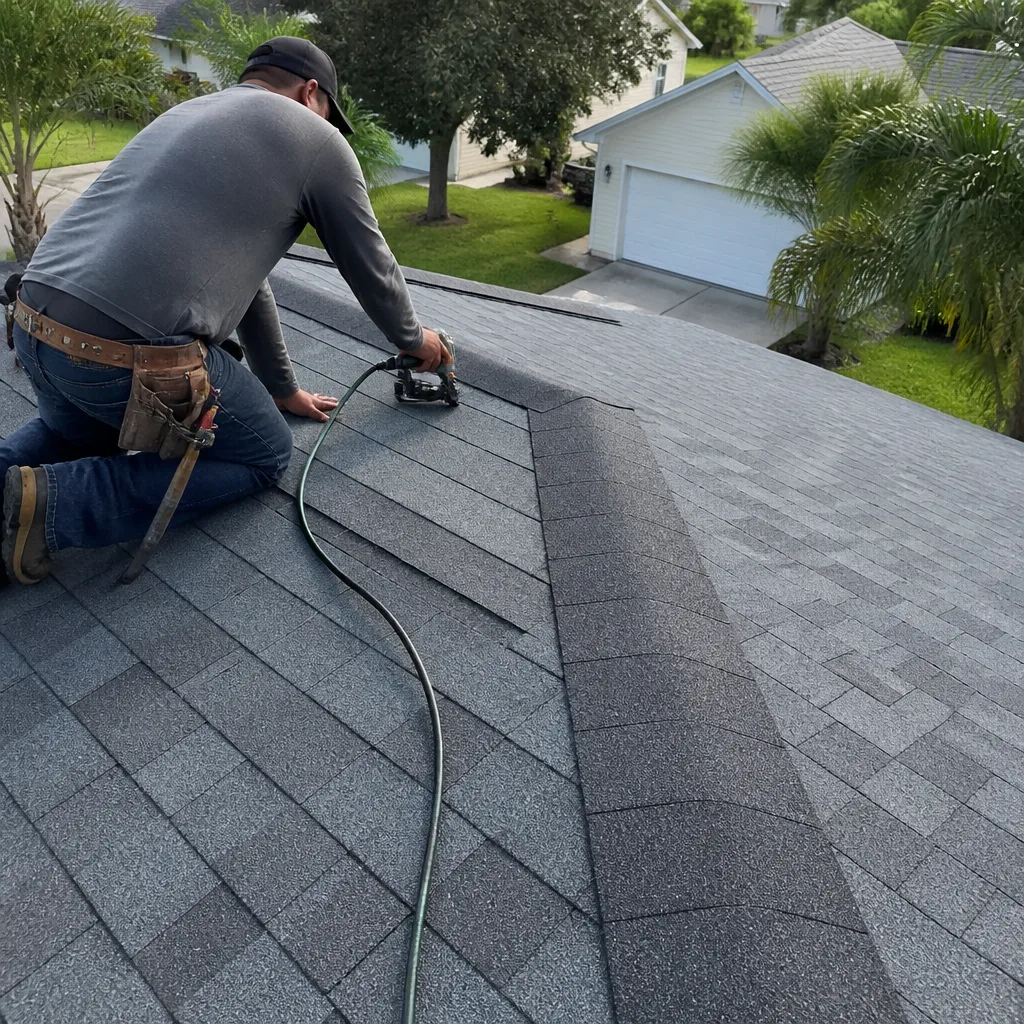 After
After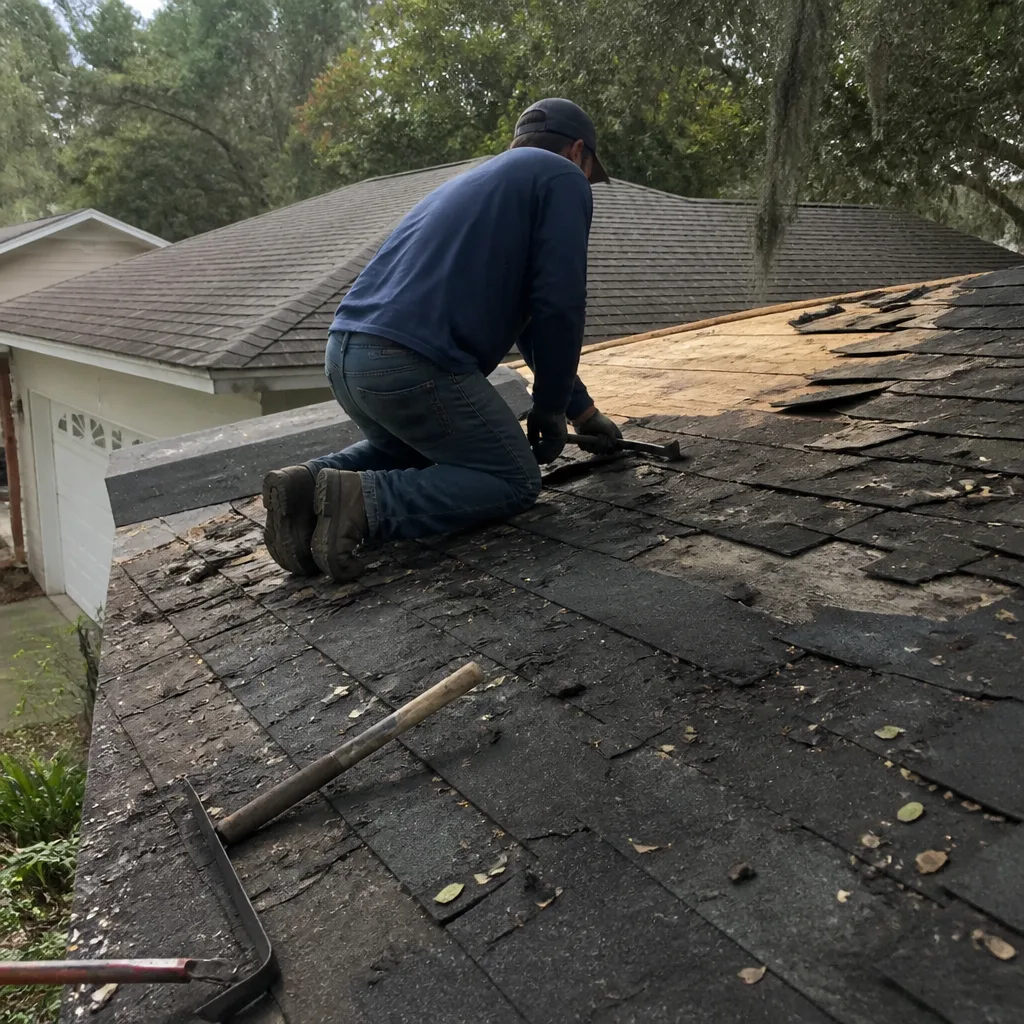 Before
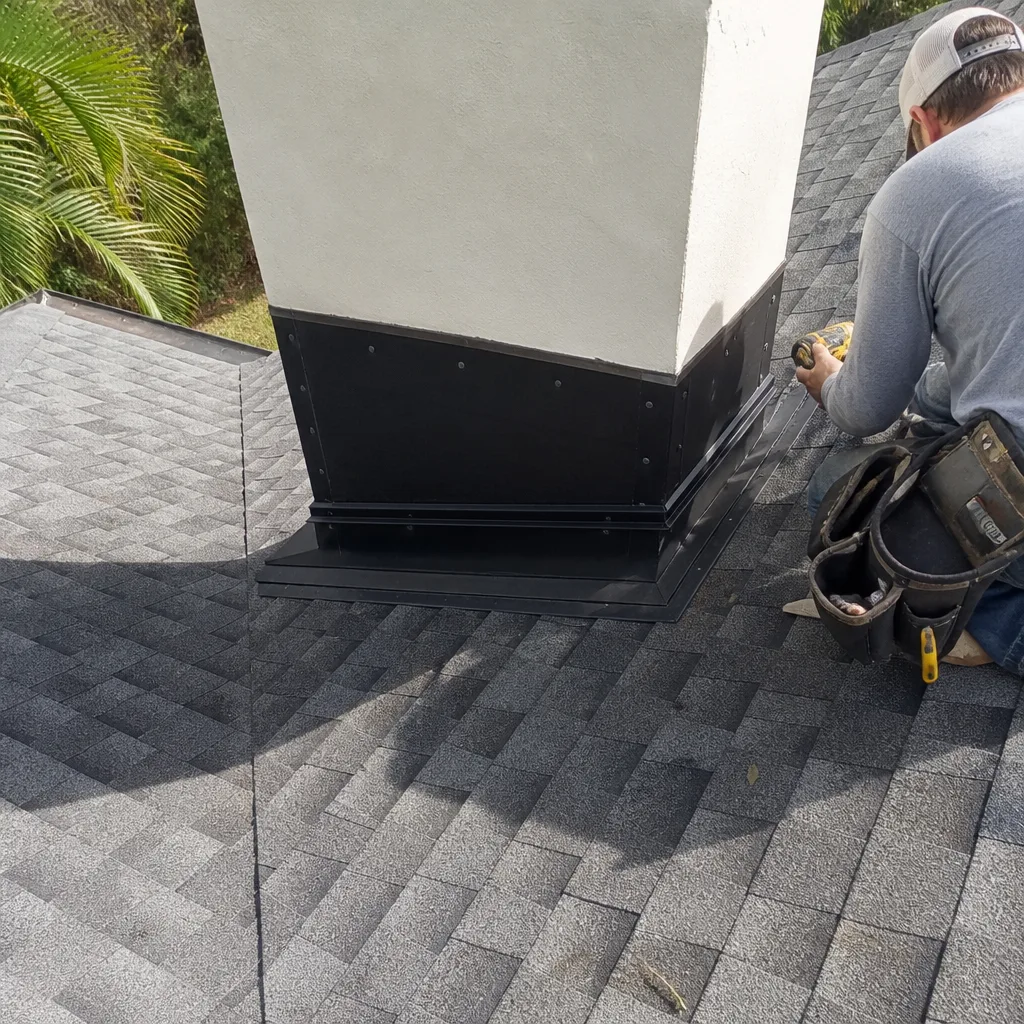 After
After