
Last updated October 17, 2026
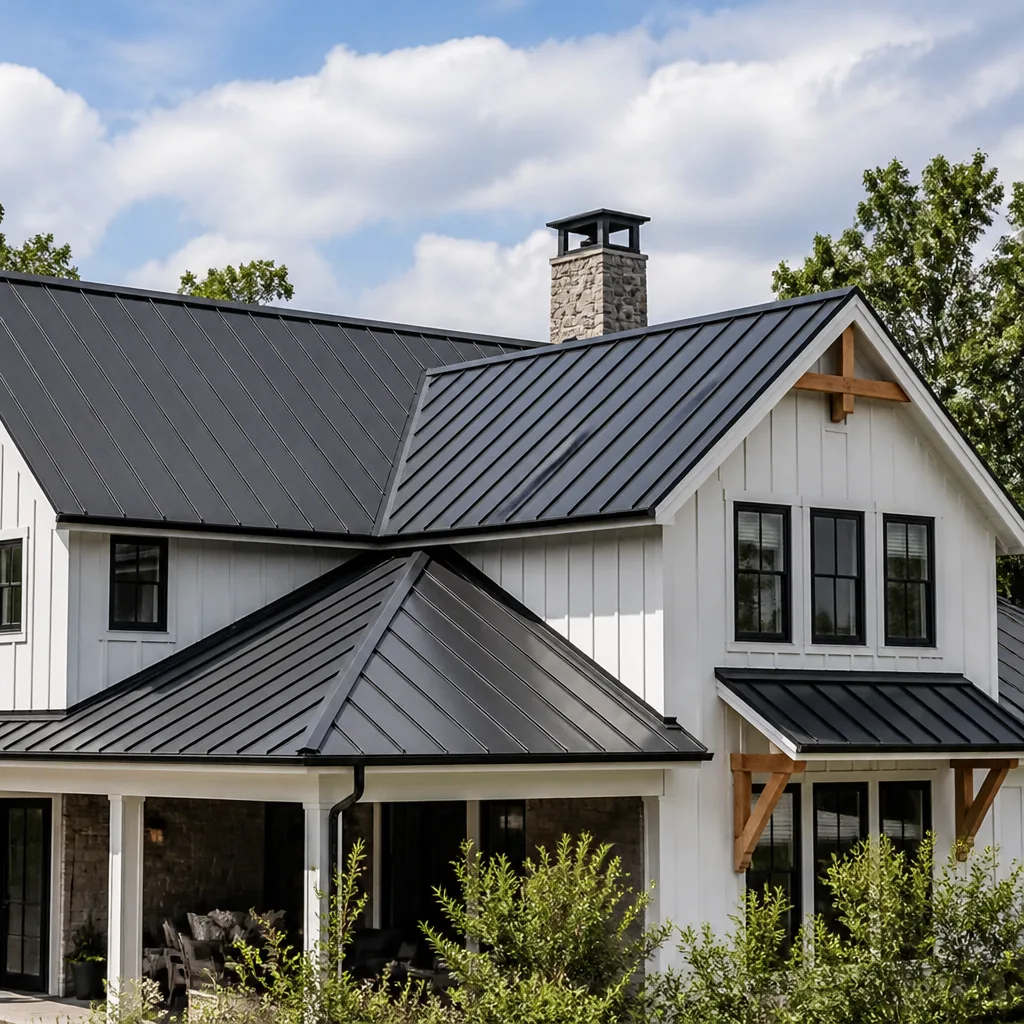 Metal roofing
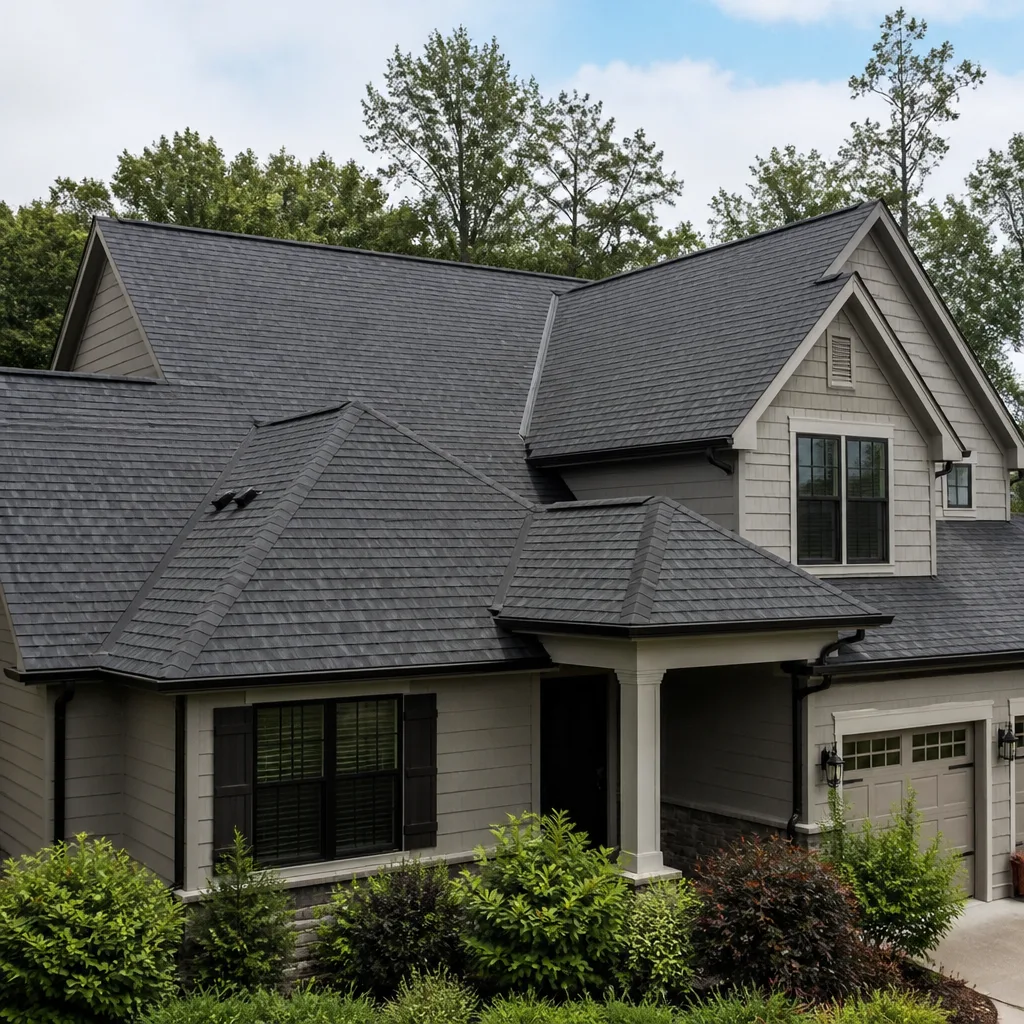 Architectural shingles
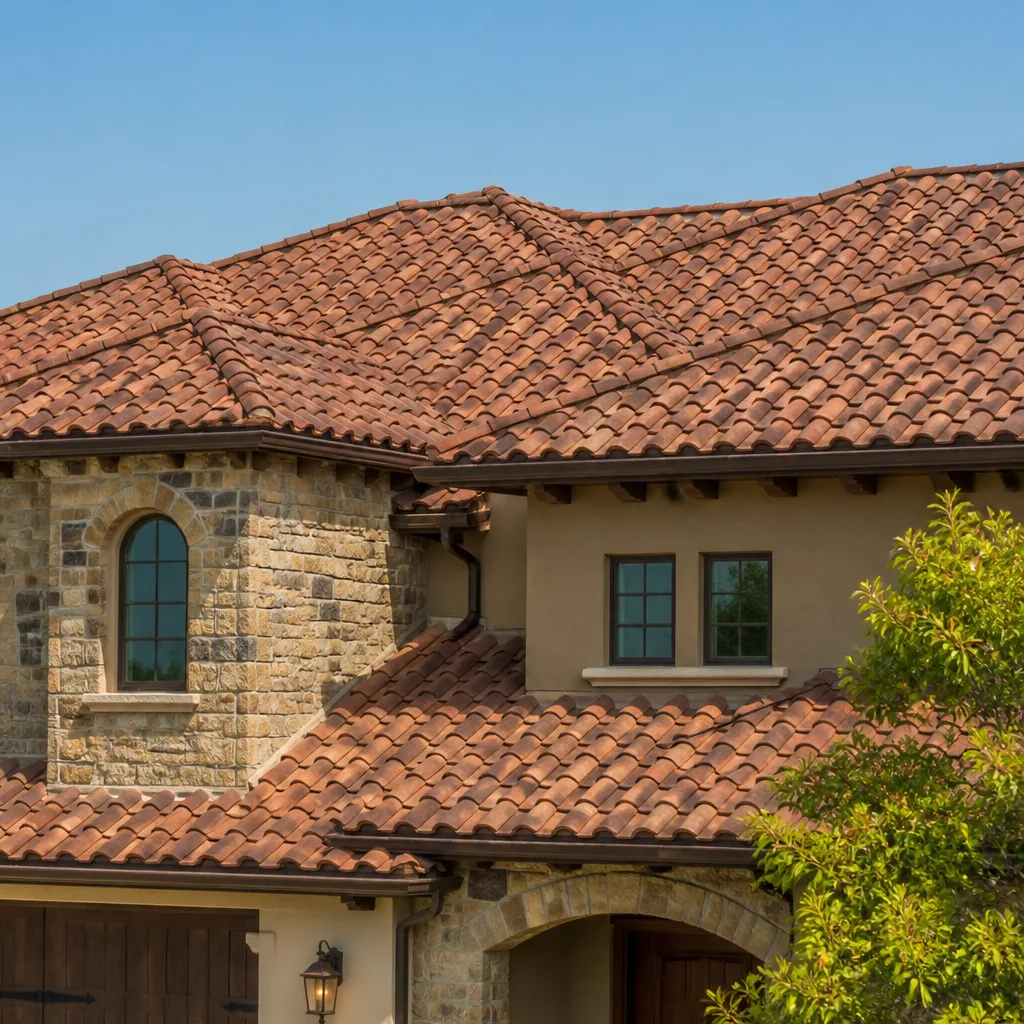 Tile roofing
 GAF
GAF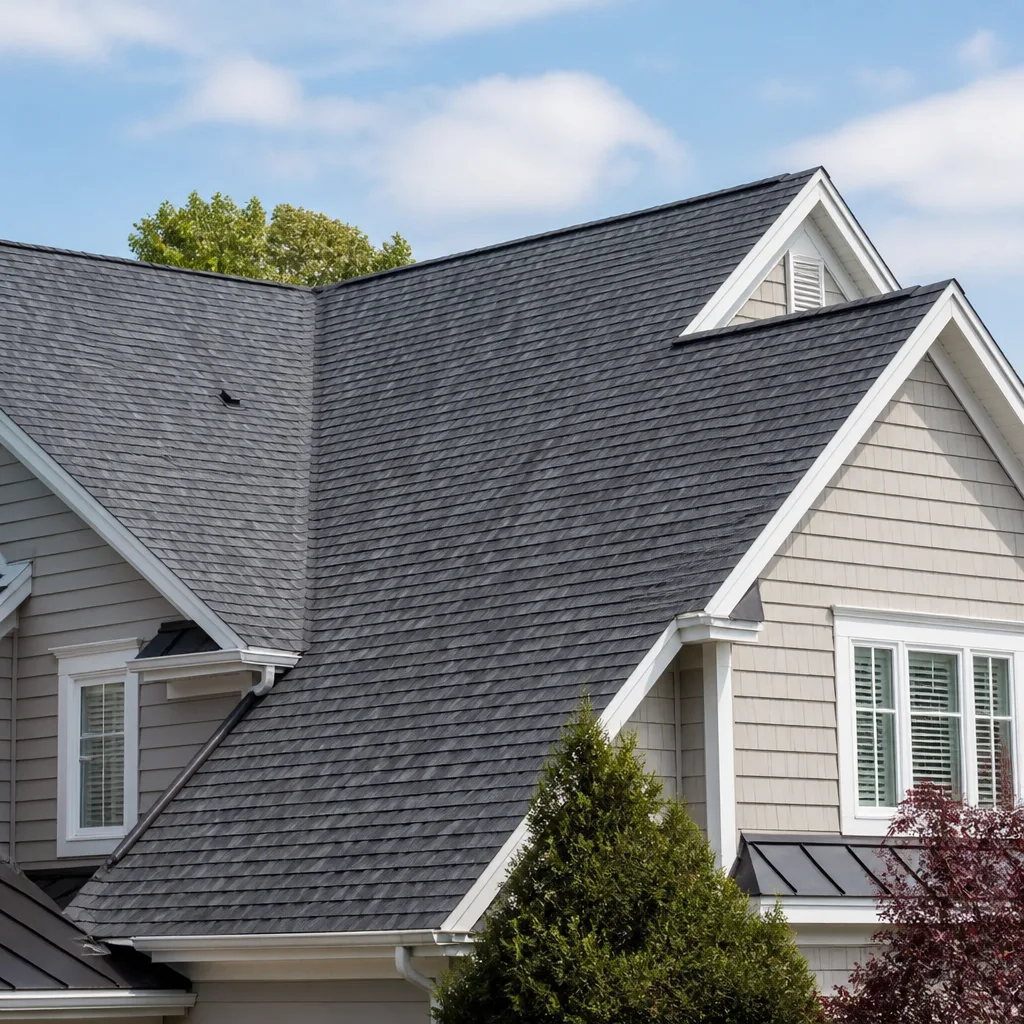 Owens Corning
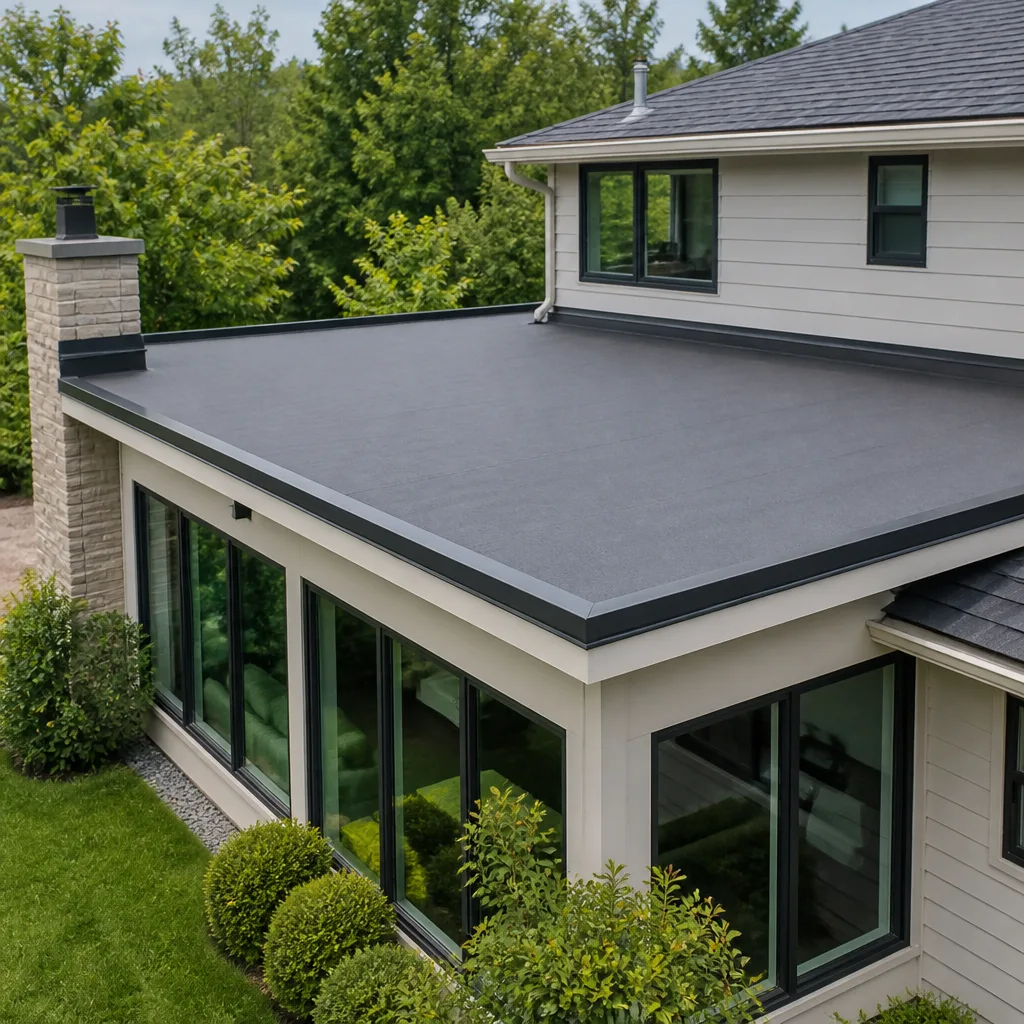 Flat & low-slope
Free roof inspection with deck photos before we talk money - GAF and Owens Corning certified installation
DIY vs Professional Roofing: The Orlando Homeowner’s Decision Guide
Here’s a number that surprises most Orlando homeowners: Florida law lets you roof your own primary residence without a contractor’s license. The state’s owner-builder exemption is real, and it’s been on the books for decades. But here’s what the weekend-warrior videos don’t tell you: you still have to pull a permit, pass inspections, sign an affidavit that puts injury liability on you personally, and hope your insurance carrier doesn’t read “improper installation” into a future claim. This guide walks through what you can legally and safely do yourself on an Orlando roof, what you shouldn’t, and where the real costs hide.
Styles & brands we work with
Quick Answer
DIY roofing in Orlando makes sense only for small, low-risk tasks like replacing one damaged shingle, cleaning gutters, or coating a flat section. Full re-roofs and structural repairs should go to a licensed professional-see our guide on How to Hire a Roofing Contractor in Orlando: A Step-by-Step Guide-because Florida’s permit, inspection, wind-code, and insurance requirements turn a “savings” into a liability that can outlast the work.
Table of Contents
- What Florida’s Owner-Builder Exemption Actually Allows
- Where DIY Is Reasonable for an Orlando Homeowner
- Orlando’s 140 MPH Wind Standard and Fastening Requirements
- How Your Insurance Policy Views DIY Roof Work
- The Break-Even Math: DIY vs Professional Repair
- The Permit and Inspection Process, Step by Step
- Material Choice: What Fits an Orlando Roof
- Common Mistakes to Avoid
- When to Call a Professional
- Frequently Asked Questions
- The Bottom Line
What Florida’s Owner-Builder Exemption Actually Allows
Florida Statute 489.103(7) exempts a homeowner from contractor licensing when the work is on their own primary residence. The key word is primary. If you’re roofing a rental property, a vacation home, or a house you plan to flip, the exemption doesn’t apply, and you’ll need a licensed contractor.
The exemption is not a free pass. In Orlando, pulling an owner-builder permit for a re-roof means:
- You must appear in person at the Orange County Building Division or City of Orlando Permitting office.
- You sign an Owner-Builder Disclosure Statement that acknowledges you are responsible for the work, the workers, and any injuries.
- You must disclose to any future buyer within one year that you self-performed the work.
- You pass the same inspections a licensed contractor would, including a dry-in inspection and a final inspection.
That disclosure requirement matters more than most homeowners realize. If you sell the house within 12 months, you must tell the buyer the roof was self-installed under an owner-builder permit. Some buyers’ lenders will balk at that. Some insurers will too.
The affidavit language is the part people skim. It says, in substance, that you understand you are liable for any injury or damage arising from the work. That’s not boilerplate. If the fastening fails in a storm and the roof lifts, or if a helper falls and is hurt, you are the licensed contractor in the eyes of the law. You’re also the insurance policy.
Our experience at Tilehurst Roofing Orlando home is that most homeowners who attempt a full owner-builder re-roof spend more time on the permit than they expected and less time on the roof than they planned. The roof itself is hard. The paperwork is a second job.
Where DIY Is Reasonable for an Orlando Homeowner
Some roof tasks are genuinely DIY-friendly. These are jobs where the failure cost is low, the tooling is simple, and the safety risk is manageable with basic precautions. But even here, Orlando’s climate shapes the answer.
The three tasks we’d consider reasonable for a capable Orlando homeowner:
- Replacing one damaged shingle in an accessible spot. If a single shingle is cracked, torn, or missing and it’s within safe reach from a ladder, you can replace it in under an hour. The materials run $5 to $15 for a bundle of shingles plus roofing nails and sealant. The skill is modest: lifting the tab, pulling the old nails, sliding the new shingle in, and nailing it in the old holes with a dab of sealant.
- Cleaning gutters and downspouts. Orlando’s rainy season fills gutters with debris fast. Clogged gutters back up water that wicks under the drip edge and rots the fascia. Gutter cleaning needs no permit, no inspection, and no special skill beyond staying safe on a ladder.
- Applying a roof coating to a flat or low-slope section. Small flat sections over porches, carports, or additions can sometimes be coated with an elastomeric product. The product costs $30 to $60 per gallon, and a 100-square-foot section may take one afternoon. This works only if the existing surface is sound.
Everything beyond these three tasks moves into professional territory. The dividing line isn’t skill, it’s consequence. A bad shingle replacement leaks into one rafter. A bad flashing replacement leaks into the whole wall assembly. A bad underlayment job on half the roof means the other half comes off to fix it.
Orlando’s 140 MPH Wind Standard and Fastening Requirements
Orlando sits in a wind-borne debris region, and the Florida Building Code sets the design wind speed for residential roofs at 140 mph in most of Orange County. That number drives everything about how a roof gets fastened. It is not a suggestion, and it is not the same as what you’d do in Ohio.
Under the current code, an asphalt shingle roof in Orlando must typically meet these fastening requirements:
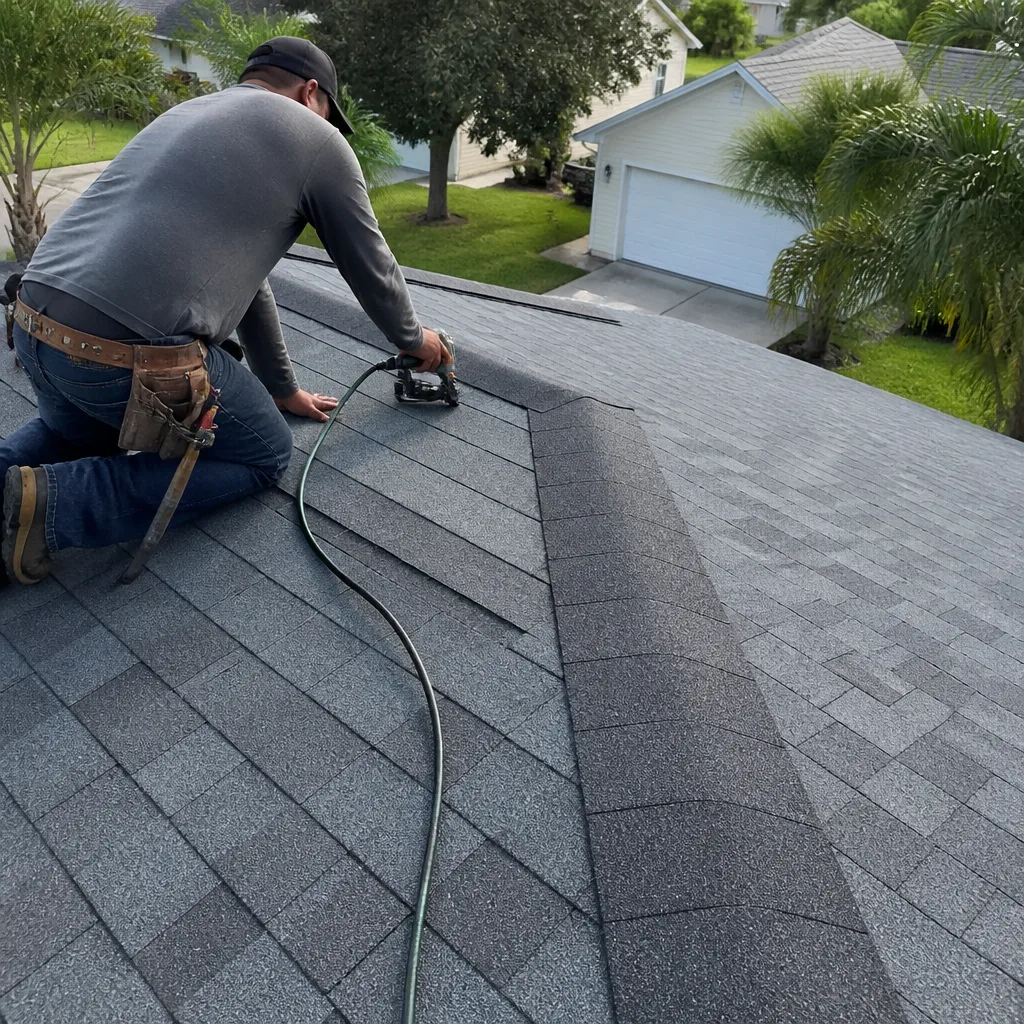
- Six nails per shingle in the high-wind zones, not the four nails used in most of the country.
- Ring-shank nails or screws, not smooth-shank nails, sized per the manufacturer’s specs.
- Fastener placement in the nail line specified by the shingle maker, often with a 1-inch offset from the tab.
- Starter strip installed along the eaves and rakes, plus a drip edge that meets the code section on metal edging.
- Underlayment that meets ASTM D1970 or the code’s synthetic equivalent, with a nailed fastening pattern, not staples.
- Read your policy’s exclusions section. Look for language about “improper installation,” “faulty workmanship,” or “defective construction.” That’s the language a carrier will cite if a self-installed repair fails.
- Call your agent and ask the direct question. Say: “If I replace a few shingles myself or do an owner-builder re-roof, and the roof fails in a storm, is that covered?” Get the answer in writing. Agents answer this question daily in Orlando, and an email response protects you better than a phone call.
- Shingles: $30 to $60 for a bundle (you’ll use part of it)
- Flashing material: $15 to $30 for a 10-foot roll of step flashing
- Roofing nails, sealant, and misc: $20 to $40
- Ladder rental or purchase: $0 if you own one, $40 to $80 for a day rental
- Time: 4 to 8 hours for a first-timer, plus a trip to the supply house
- Risk: a failed repair that leaks and turns a $500 job into a $2,000 interior repair
- Determine scope. A single shingle replacement doesn’t need a permit. Anything that touches the underlayment, decking, or flashing generally does. A full re-roof always does, including a tear-off.
- Apply for the owner-builder permit. You’ll file at the Orange County Building Division or City of Orlando Permitting office, depending on jurisdiction. Bring proof of ownership, a completed application, a roof plan or sketch for re-roofs, and photo ID.
- Sign the Owner-Builder Disclosure. This is the affidavit that places injury and damage liability on you. Read it before you sign it, not after.
- Pay the permit fee. Roof permit fees in Orange County typically run $150 to $400 depending on the valuation of the work.
- Schedule the inspections. For a re-roof, expect a dry-in inspection after the underlayment is fastened and before shingles cover it, and a final inspection after the roof is complete plus the drip edge, flashing, and ridge cap.
- Pass the inspections. If the inspector flags fastening problems, you correct them and schedule a re-inspection. Re-inspection fees apply.
- Re-roofing over a soft deck without inspecting it. In Orlando’s humidity, decking rot hides under shingles that look fine from the ground. If you lay new shingles over spongy plywood, the fasteners won’t hold and the inspection will fail.
- Using staples for underlayment. Florida code requires nails or cap nails in most applications. Stapled underlayment is the most common owner-builder flag in Orange County.
- Ignoring the drip edge. The drip edge is the metal strip at the roof’s edge that directs water into the gutter instead of behind the fascia. Skipping it is a code violation and a fast route to rotted fascia boards in Orlando’s rainy season.
- Four nails instead of six. The 140 mph wind standard demands the higher nail count. Four nails fails inspection and voids the shingle’s wind warranty.
- Not calling your insurer before starting. This is free and takes one phone call. Skipping it is the cheapest way to turn a savings into a claim denial.
- Working on a wet or damp roof. Asphalt shingles get slick in Orlando’s afternoon thunderstorms. A fall from even a single-story roof commonly causes serious injury.
Get the nail count wrong and the inspection fails. Get the nail type wrong and the shingle’s wind warranty is void. Get the underlayment fastening pattern wrong and the whole roof can peel in a named storm.
We’ve seen Orlando inspectors flag owner-builder roofs for three fastening errors more than any others: four nails instead of six, smooth nails instead of ring-shank, and underlayment fastened with staple guns because that’s what the big-box rental counter hands out. Each one means a stop-work and a redo.
How Your Insurance Policy Views DIY Roof Work
Florida’s property insurance market is already tight. Homeowners in Orlando pay some of the highest premiums in the state, and carriers have been rewriting policies after the 2022 reforms. That context matters when you’re deciding whether to touch your own roof.
Most HO-3 policies in Florida contain an exclusion for loss caused by faulty, inadequate, or defective workmanship, construction, or installation. If a storm damages your roof and the adjuster determines the damage was worsened by improper installation, the carrier can deny the portion of the claim tied to that installation. If the roof was self-installed under an owner-builder permit, you have no contractor to point at. You are the installer.
Before you start any DIY roof work, do these two things:
Some carriers in Florida have begun adding endorsement language that specifically excludes coverage for owner-builder work on roofs. If your policy has that endorsement, the DIY savings math gets very bad, very fast.
The Break-Even Math: DIY vs Professional Repair
Let’s put real numbers on a small, common repair: replacing a section of damaged shingles and one piece of step flashing on a single-story Orlando home.
A licensed professional repair for this scope typically runs $350 to $700 in the Orlando market, including materials, labor, and the written guarantee. The work takes half a day.
The DIY version of the same job costs:
For a simple shingle replacement, DIY can save you $250 to $400 if everything goes right. That’s real money.
Now run the same math for a full re-roof. A self-performed owner-builder re-roof on a 2,000-square-foot Orlando home might cost $6,000 to $9,000 in materials, dumpster rental, tools, and permit fees. A professional replacement of the same size typically runs $12,000 to $18,000 depending on material choice. So the savings look like $6,000 to $9,000.
But subtract the things the owner-builder absorbs: the re-roof takes a DIYer two to three weekends, the dumpster sits in the driveway, the risk of an inspection failure means another day off work, and if the roof leaks in a storm, the repair cost is yours alone. The savings are real, but they’re earned in risk, not just labor.
The Permit and Inspection Process, Step by Step
If you decide to pursue an owner-builder permit for roof work in Orlando, here’s the process in Orange County:
A licensed contractor handles all of this. It’s baked into the job, not a separate project. That’s a meaningful difference when you’re deciding between a weekend of roof work and a month of paperwork plus roof work.
Material Choice: What Fits an Orlando Roof
Orlando’s climate does three things to a roof: intense UV exposure, daily summer thunderstorms, and wind-driven rain. The material you choose matters more here than in most of the country.
The major manufacturers each have products engineered for this environment. CertainTeed’s Landmark line and Owens Corning’s Duration shingles are both common on Orlando homes. IKO’s Nordic line and Atlas’s StormMaster series are designed for high-wind regions with fastener patterns that match Florida code. A competent roofer carries several of these lines and will match the product to the home’s pitch, exposure, and existing fastening condition, rather than pushing whatever is in the truck.
For a homeowner doing a small repair, the important point is matching, not upgrading. If your existing roof is a CertainTeed product, patching it with a mismatched shingle from a different maker can void the remaining manufacturer warranty and create a visible color mismatch. If you can’t identify the existing shingle, take a sample to a local supply house or have a professional match it.
Flat sections over porches and carports are where DIY coating makes some sense, but even here, the product matters. Elastomeric coatings made by the same manufacturers that make the roofing membrane itself tend to perform better in Orlando’s UV than generic big-box coatings. Read the label for UV resistance and reflectivity.
Common Mistakes to Avoid
When to Call a Professional
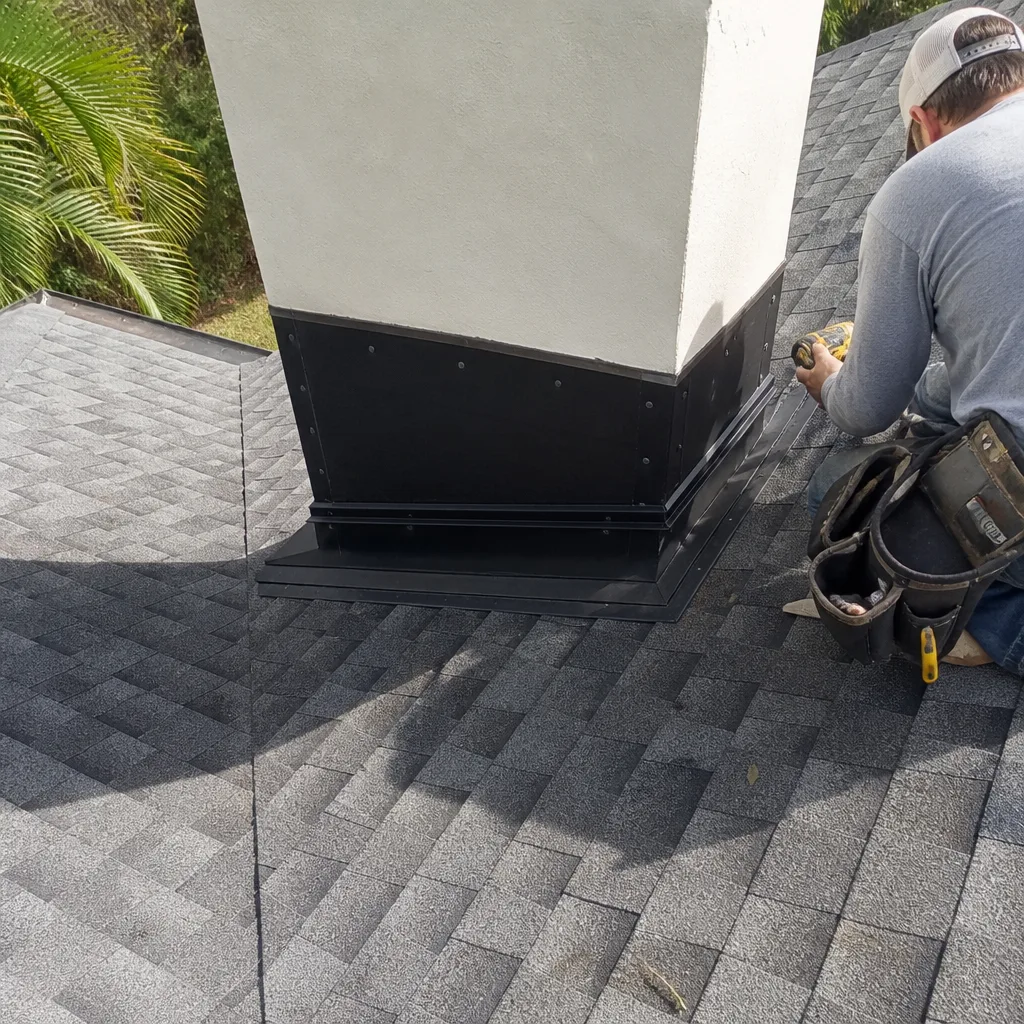
Call a licensed roofing contractor when the work involves multiple shingles across a large area, any flashing around a chimney, skylight, or wall intersection, any suspicion of decking damage, any leak you can’t trace to an obvious cause, or a full re-roof. These jobs require fastening precision, flashing knowledge, and an understanding of where water actually goes in an Orlando storm.
Roof Repair in Orlando from Roofing Company in Orlando starts with a written price and a written guarantee. If you’d like a professional assessment of your roof, Roof Replacement in Orlando begins with an inspection and a plain-language explanation of what’s needed and what isn’t.
Tilehurst Roofing Orlando offers free estimates in Orlando. Call (850) 303-7235 and a live person answers, 24/7.
Frequently Asked Questions
Replacing a single shingle or a handful of shingles does not require a permit in Orlando. Any work that touches the underlayment, decking, flashing, or roof structure does require an owner-builder permit, and a full re-roof always requires one. When in doubt, call the Orange County Building Division and ask. The answer is free.
A small, localized roof repair in Orlando typically runs $350 to $700 from a licensed professional, including materials and a written guarantee. Larger repairs involving flashing or decking replacement run higher. The exact price depends on the scope, pitch, and accessibility. Call (850) 303-7235 for a free estimate with a written line-item quote.
It may not. Most Florida policies contain an exclusion for loss caused by faulty or improper installation. If a self-performed repair is found to be the cause of a leak, the insurer can deny the claim. Call your agent before you start any DIY roof work and get the answer in writing.
Florida Statute 489.103(7) allows a homeowner to perform construction work on their own primary residence without a contractor’s license, provided they pull the required permits, pass inspections, and sign a disclosure accepting liability for the work. The exemption does not apply to rental or investment properties.
In Orlando’s high-wind zones, the Florida Building Code and most shingle manufacturers require six ring-shank nails per shingle, placed in the designated nail line. Four nails fails inspection in most of Orange County and voids the shingle’s wind warranty.
A small shingle repair or flashing repair from a licensed professional typically takes half a day, including setup and cleanup. A full re-roof takes two to five days depending on size, pitch, and tear-off requirements. The permit and inspection process adds time to both.
The Bottom Line
The DIY decision on an Orlando roof comes down to consequence, not skill. Replacing one shingle or cleaning gutters saves money with minimal risk. Touching underlayment, flashing, or decking without a license, permit, and inspection schedule puts you in legal and insurance territory that most homeowners don’t see until it’s too late. If the job is small and safe, do it. If it isn’t, get a written price from a professional, understand the guarantee, and keep your insurer in the loop. For additional guidance, explore more guides & resources from our team. That’s the honest answer, and it’s the one that protects the house.
Written by Greg Holloway, Owner at Tilehurst Roofing Orlando, serving Orlando since 2000.
See the difference
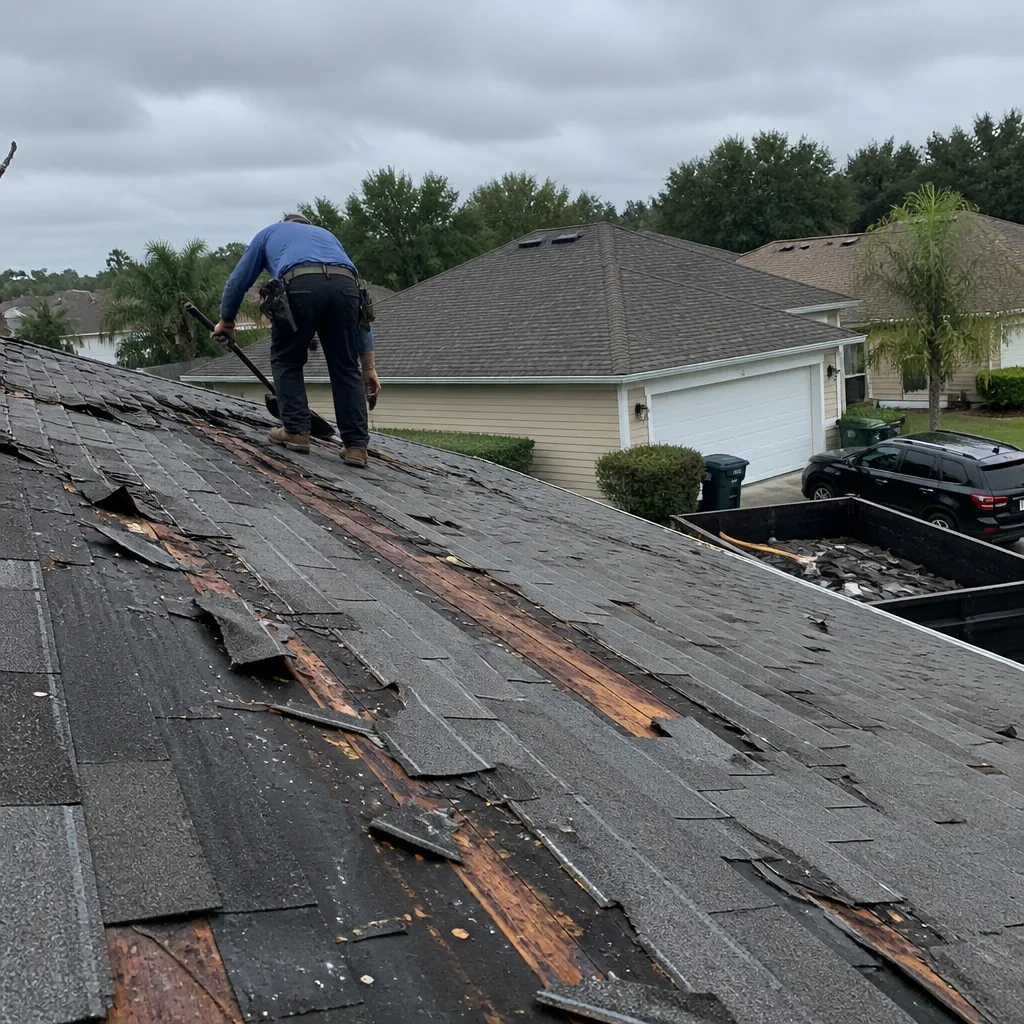 Before
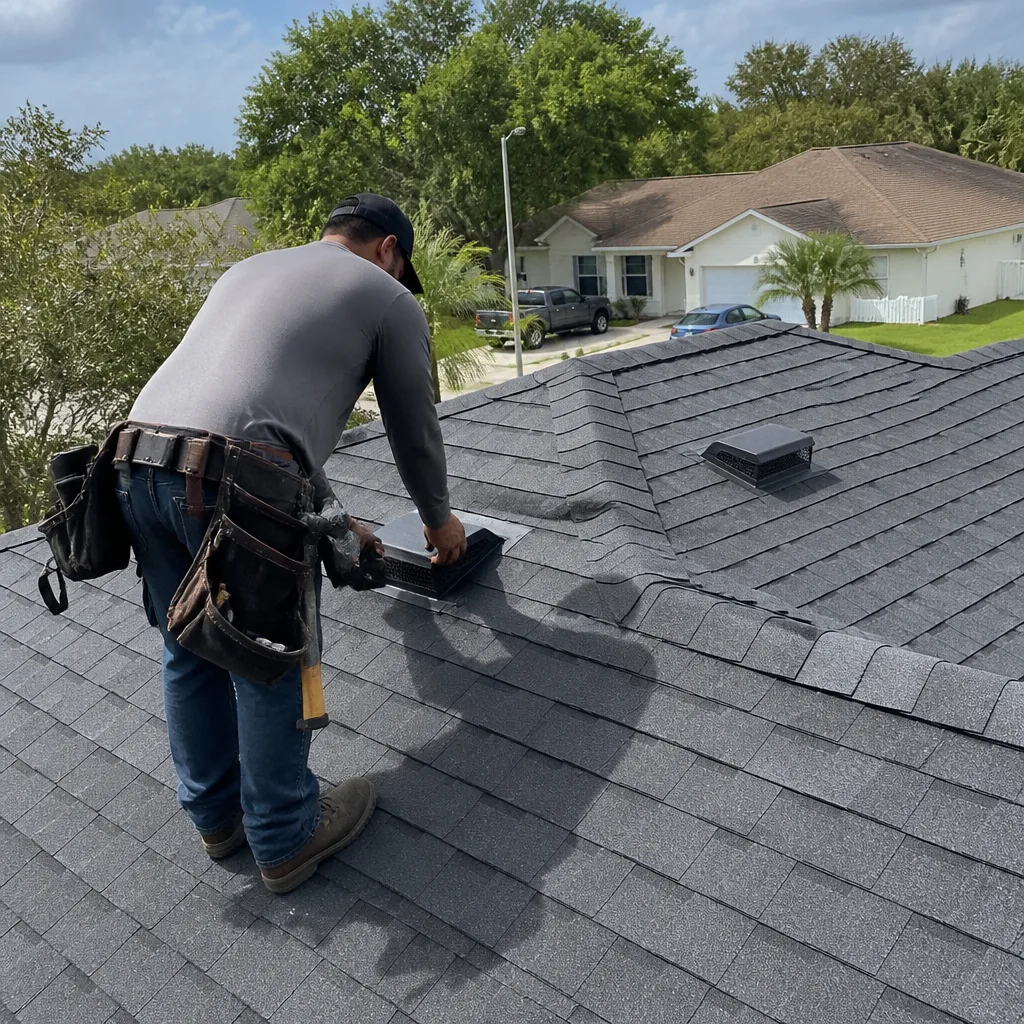 After
After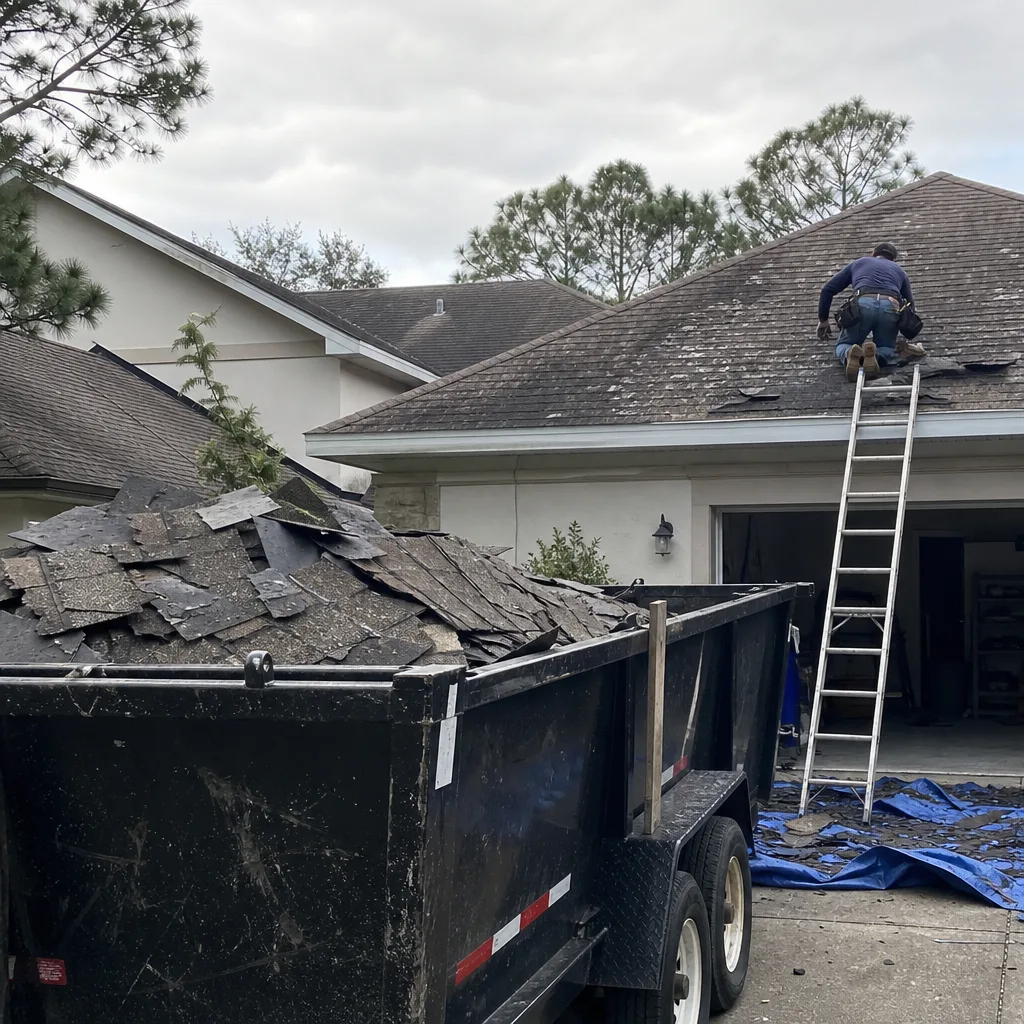 Before
 After
After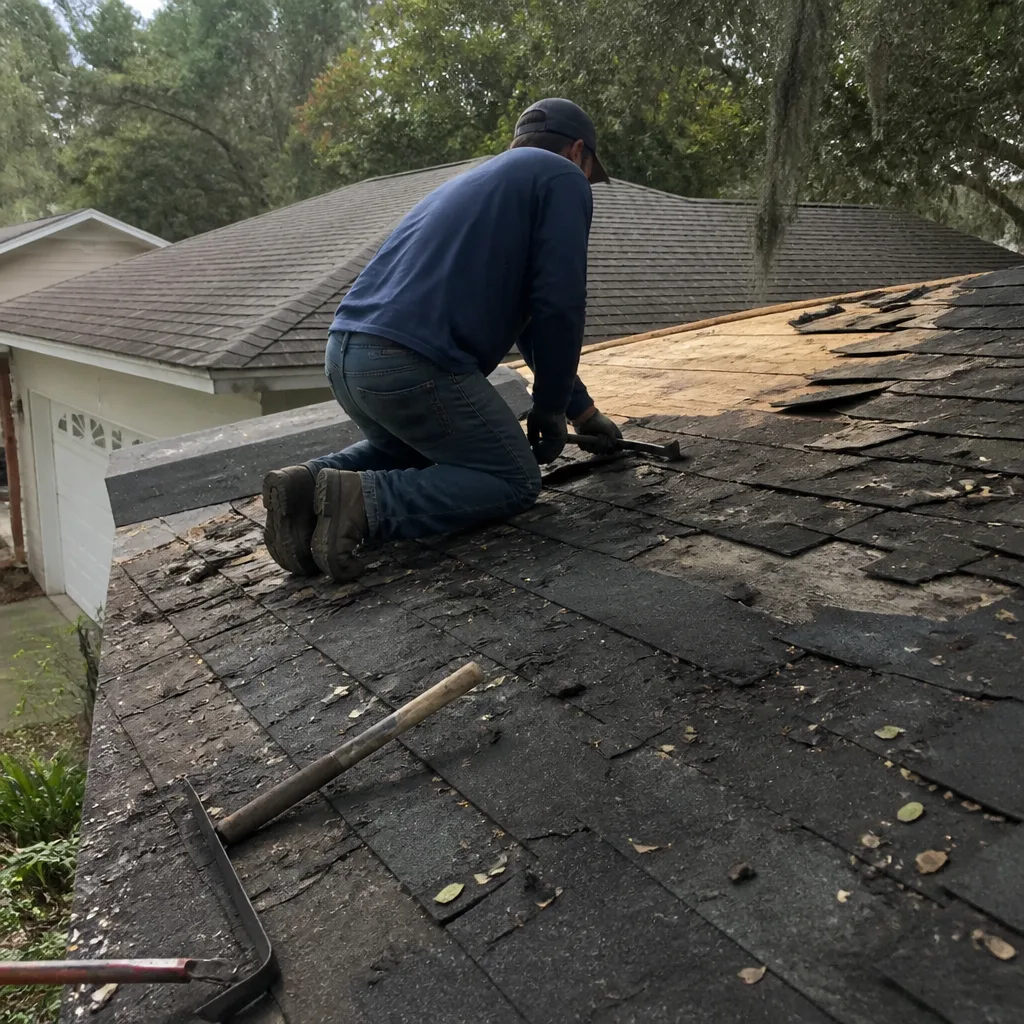 Before
 After
After